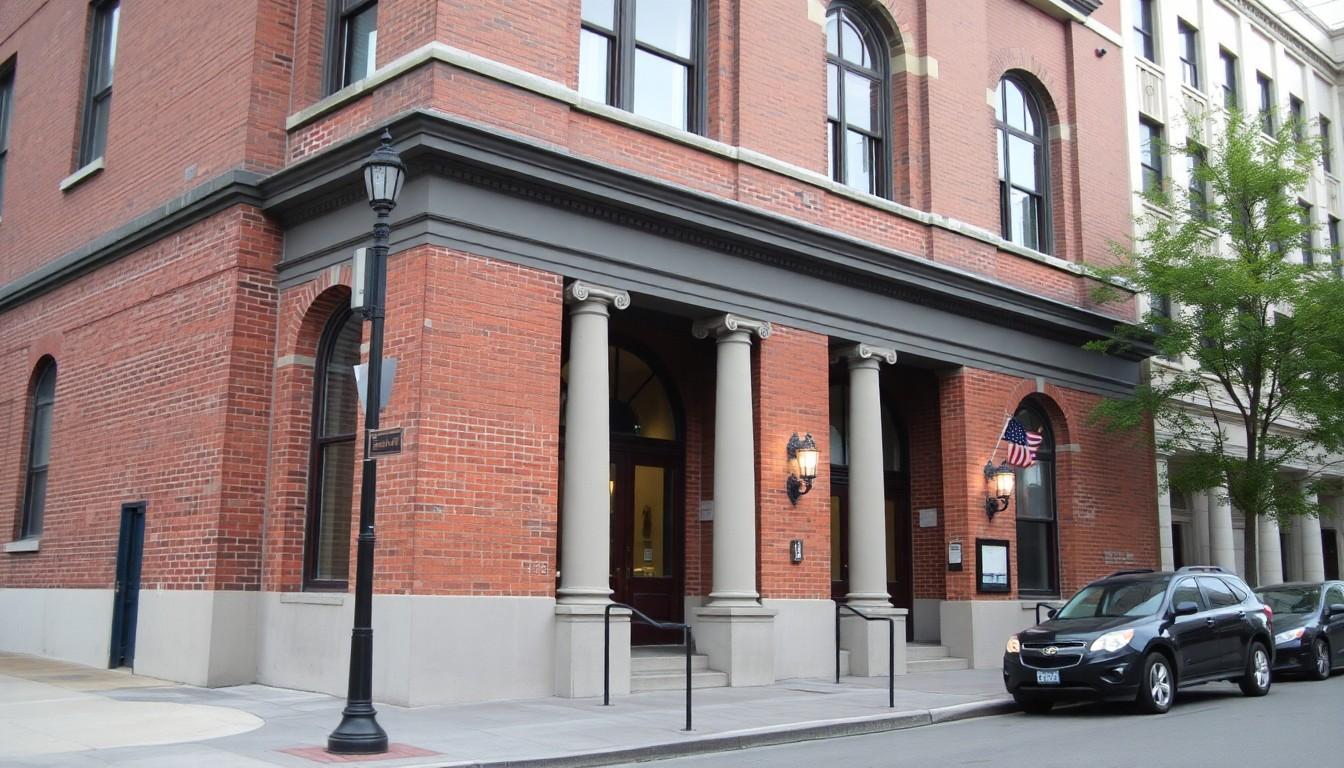
Visitors exploring Philadelphia’s LGBTQ history are finding a powerful story in Barbara Gittings, whose early activism helped move gay rights from private discussion into public protest. From Independence Hall to a library collection in Center City, her legacy remains visible, personal and surprisingly easy to explore during LGBTQ History Month.
Essential Takeaways
- A pioneering activist: Barbara Gittings began campaigning for LGBTQ equality in the 1950s.
- A landmark protest: She helped organise a 1965 demonstration around Independence Hall.
- A lasting collection: Philadelphia’s Independence Branch Library holds roughly 1,500 LGBTQ-related items linked to her legacy.
- A city of markers: Equality Forum says Philadelphia has 12 historic markers connected to LGBTQ history.
- A wider influence: Gittings also campaigned for better library resources and challenged the classification of homosexuality as a mental disorder.
Philadelphia’s LGBTQ history starts with a protest
The most striking detail is also the easiest to picture: a small group of activists circling Independence Hall with placards in 1965. Philadelphia’s early LGBTQ rights demonstrations brought public visibility to a movement that was still widely pushed into the shadows, according to the City of Philadelphia’s historical account.
The protest was modest by today’s standards, but its symbolism was enormous. Independence Hall represented American freedom, so choosing it as a setting made the message impossible to miss: equality was part of the country’s founding promise, not a special request.
Gittings was among the organisers who helped turn that idea into action. Her work gives Philadelphia LGBTQ history a distinctly civic character, rooted in public space rather than hidden away in private clubs or archives.
Barbara Gittings helped change the national conversation
Gittings’ activism stretched well beyond one day in Philadelphia. She worked with national gay rights organisations, challenged medical prejudice and pressed the American Psychiatric Association over its classification of homosexuality, as biographical accounts have documented.
That campaign required patience as well as courage. Changing an institution’s language might sound dry on paper, but the consequences were deeply personal for people whose lives had been treated as illnesses. Gittings understood that words used by doctors, librarians and journalists could either reinforce stigma or help dismantle it.
Her public life also reflected a broader shift in LGBTQ activism. Instead of waiting for acceptance, campaigners increasingly demanded visibility, accurate information and the right to speak for themselves. It was a tough route, but it helped reshape the language of equality.
A library wall keeps her work close
At Philadelphia’s Independence Branch Library, Gittings’ legacy feels tangible. The Barbara Gittings collection occupies a substantial stretch of wall and includes about 1,500 LGBTQ-related materials, according to local reporting and library accounts.
That matters because libraries were one of the places where LGBTQ people often struggled to find affirming stories or reliable information. Gittings campaigned for positive representation in library collections, recognising that a single book could be a lifeline for someone feeling isolated.
For visitors, the collection offers a quieter counterpoint to the famous protest site. There are no chanting crowds or waving signs here, just shelves and pages. Yet the effect can be just as moving: a reminder that cultural change is often built one accessible piece of information at a time.
How to explore Philadelphia’s LGBTQ landmarks
Philadelphia now offers a useful way to connect individual stories with the wider movement. Equality Forum’s historic-marker programme highlights sites associated with LGBTQ activism, while the city’s own historical materials place the Independence Hall protests within the longer story of civil rights campaigning.
Start near Independence Hall, then continue towards the Center City library to see how public protest and community memory fit together. Check opening times before travelling, especially if you want to view a particular library display rather than simply explore the surrounding neighbourhood.
It’s also worth slowing down. Historic markers can look small against Philadelphia’s grand buildings, but that’s part of their appeal. They invite a closer look, and they make the city feel less like a backdrop and more like an archive underfoot.
Why Barbara Gittings’ legacy still resonates
Gittings died in 2007, but her influence continues through LGBTQ archives, public history projects and advocacy groups. Philadelphia’s markers help preserve the physical story, while the library collection protects the ideas and experiences behind it.
The city’s commemoration also points towards the future. Equality Forum has announced plans for another historic marker in New York City, at the site associated with the country’s first Pride parade, extending the map of places connected to early LGBTQ organising.
There’s something quietly powerful about that continuity. The people who stood outside Independence Hall could not have known exactly how far the movement would travel, but their presence created a record. Today, that record gives visitors a chance to understand not only what changed, but how hard-won that change was.
Explore Philadelphia’s LGBTQ landmarks with time to pause, read and remember.
Source Reference Map
Story idea inspired by: [1]
Sources by paragraph:
- Paragraph 1: [5], [6]
- Paragraph 2: [2], [5]
- Paragraph 3: [3], [4]
- Paragraph 4: [3], [4]
- Paragraph 5: [4], [6]
- Paragraph 6: [7], [4]
- Paragraph 7: [2], [7]
- Paragraph 8: [2], [5]
- Paragraph 9: [5], [2]
- Paragraph 10: [2], [5]
- Paragraph 11: [2], [3]
- Paragraph 12: [4], [7]
- Paragraph 13: [2], [5]
- Paragraph 14: [2], [4]
- Paragraph 15: [3], [6]
- Paragraph 16: [2], [5]
- Paragraph 17: [2], [4]