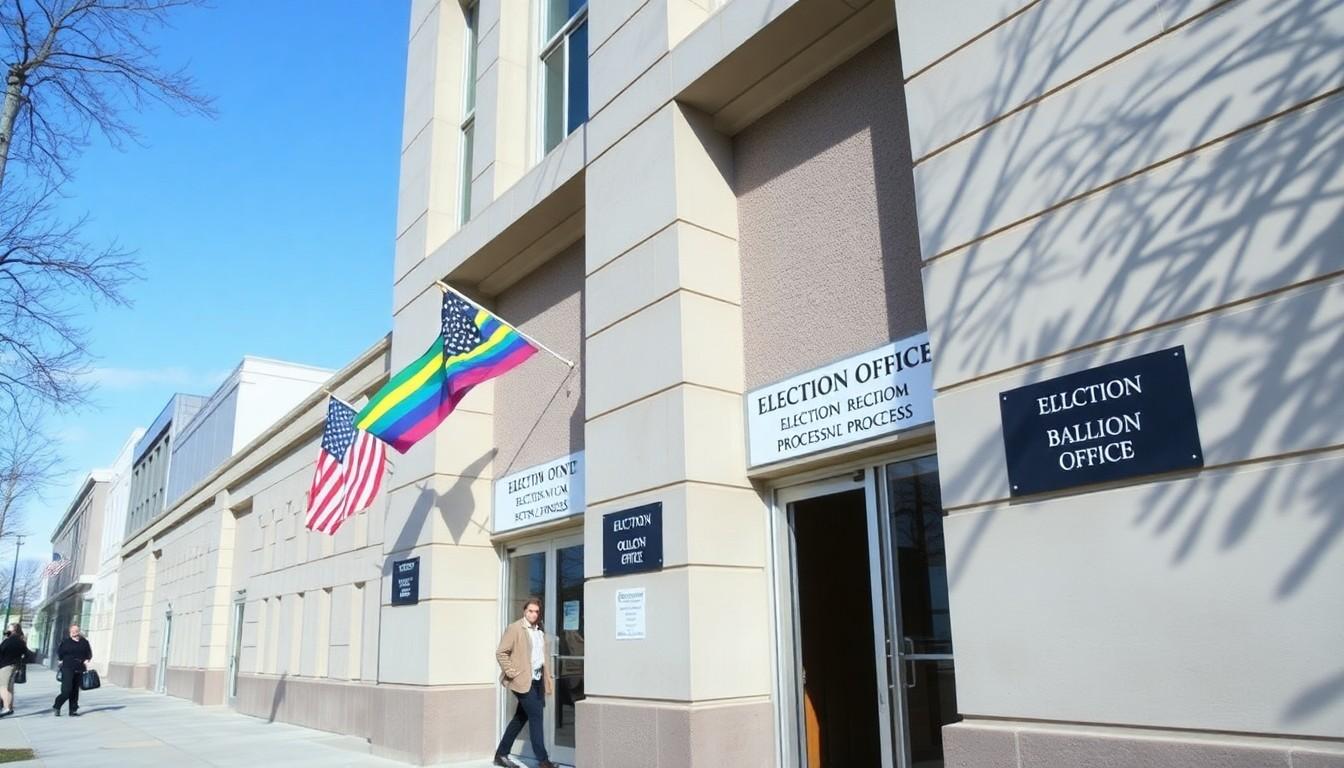
Voters across several US states are facing ballot questions that could reshape LGBTQ rights, from transgender pupils' sports participation to constitutional equality protections. With proposals spanning healthcare, marriage and school policy, the stakes are unusually personal, and the wording on each ballot matters.
Essential takeaways
- Sports rules dominate: Several measures would restrict transgender pupils' participation in school teams matching their gender identity.
- Healthcare is also at stake: Colorado and Missouri feature proposals affecting gender-affirming care for transgender minors.
- Equality protections vary: Vermont and Virginia are considering constitutional changes that would strengthen or restore LGBTQ protections.
- Ballot language matters: Some initiatives combine LGBTQ policy with wider questions, including abortion and parental rights.
- Check the detail: Eligibility rules, enforcement and legal challenges differ from state to state.
A small number of ballot questions, with huge consequences
The most immediate impact will be felt in school gyms, changing rooms and doctors' offices. In several states, voters are being asked to decide whether transgender pupils may compete in teams that reflect their gender identity, a debate that's become a regular feature of US election campaigns.
The measures don't all work in the same way. Some define teams according to sex assigned at birth, while Washington's proposal would require sex verification for girls taking part in school sport. That approach has prompted concerns about privacy and the treatment of all pupils, not only transgender children. Research and broader policy analysis have kept the issue firmly in the national conversation, according to JAMA Network Open and the Human Rights Campaign's state equality work. [3], [4]
For families, the language can feel far removed from everyday life. But a phrase on a ballot can determine who is allowed to play, which documents schools must request and how much discretion teachers and coaches retain. That's why voters should read the full measure rather than relying solely on campaign slogans. [6], [7]
Where transgender sports rules are being tested
Arizona, Colorado, Nebraska and Washington are among the states considering measures aimed at transgender pupils' participation in school sports. Nebraska already has restrictions in place, while Arizona's proposal would revive a policy previously blocked in court. Colorado's initiative would apply across school and college sport, making it one of the broader proposals on the list.
Washington's plan is especially striking because it would require medical verification for girls' eligibility. Critics argue that such checks could expose pupils to invasive scrutiny and create risks for transgender and cisgender girls alike. Supporters present the measure as a straightforward eligibility rule, but the practical details are anything but simple. [2], [7]
The numbers involved are also easy to lose sight of. The Williams Institute estimates that transgender teenagers represent a relatively small share of the youth population, and only a fraction play organised school sport. That hasn't stopped the issue becoming a powerful political symbol, which says as much about election strategy as it does about athletics. [3], [4]
Healthcare proposals add another layer
Colorado voters are also being asked to decide whether public money, insurance coverage or Medicaid reimbursements may support gender-affirming surgery for minors. Such procedures are already uncommon, and the proposal doesn't cover every form of gender-affirming care. Still, medical organisations have opposed the measure, arguing that treatment decisions should remain between patients, families and clinicians.
Missouri's proposal takes a wider route by combining restrictions on gender-affirming care for transgender minors with a near-total abortion ban. That makes the ballot question particularly consequential, since voters aren't dealing with one isolated policy but a package of constitutional changes with separate effects on healthcare and reproductive rights. [5], [7]
This is an important practical distinction. A proposal can sound narrow in a campaign advert while reaching into funding, insurance, clinical decision-making and constitutional law. Voters comparing measures should look for who would be affected, which treatments are covered and whether existing court orders or state protections could alter implementation. [5], [6]
Vermont and Virginia offer a different direction
Not every LGBTQ-related measure would restrict rights. Vermont voters are considering an equal rights amendment that would explicitly prohibit unequal treatment based on characteristics including sexual orientation, gender identity and gender expression.
Virginia's proposal would remove obsolete constitutional language banning same-sex marriage and replace it with an affirmative right to marry for two consenting adults. The existing prohibition hasn't been enforceable since the US Supreme Court recognised marriage equality nationally, but supporters say leaving it in the constitution leaves an unnecessary vulnerability. [4], [7]
That contrast is worth noting. In one part of the country, voters are being asked to expand the wording of equality protections; elsewhere, they're being asked to approve restrictions that advocates say could expose young people to discrimination. The ballot box is therefore becoming a patchwork of competing visions, rather than a single national referendum on LGBTQ rights. [2], [4]
How to assess a ballot measure before voting
Start with the official title and summary, then check whether the measure changes a constitution, statute or existing regulation. Constitutional amendments can be harder to reverse, while statutory measures may be altered by lawmakers or challenged in court. Ballotpedia and Multistate provide useful background on ballot measures and election rules, but official state election materials should be the final reference point. [6], [7]
Next, look beyond the headline issue. Does the proposal include funding rules, school notification requirements, medical testing, enforcement powers or exceptions? Washington's student and parental-rights proposal, for example, sits alongside the sports initiative but raises separate questions about privacy and whether pupils could be outed to unsupportive parents. [2], [7]
Finally, pay attention to legal challenges. Several measures have faced claims that their wording is misleading or that they breach single-subject requirements. Even if a question reaches the ballot, litigation can still affect whether the result takes effect. For voters, that means the fairest reading is often the most useful one: what changes immediately, who administers it and what remains uncertain? [5], [6]
The wider election story is still unfolding
LGBTQ issues have become a dependable campaign flashpoint, particularly around transgender young people. Yet the measures on the ballot show a more complicated picture than a simple red-versus-blue divide. They touch sport, medicine, marriage, parental authority and the meaning of equal treatment, often in the same election.
The outcome won't settle every dispute. Courts, legislatures, schools and medical bodies will still shape what happens next. But for voters in these states, the decisions are direct and unusually tangible, so understanding the fine print could matter as much as choosing a side. [2], [4]
Read the wording carefully, check the latest legal guidance and vote with the practical consequences in mind.
Source Reference Map
Story idea inspired by: [1]
Sources by paragraph: