Jake Bain is turning a very public coming-out story into practical support for queer young people, combining social work, foster parenting and LGBTQ+ activism in St Louis County. His journey from Missouri football standout to community organiser shows how visibility can become something more lasting: a steady, caring presence for children and families who need it.
Essential Takeaways
- A trailblazing athlete: Bain came out publicly while still a high-school football player in Missouri.
- A new kind of team: He now works in social care, studies behavioural health and supports LGBTQ+ communities.
- A foster parent: Bain became a foster dad after seeing how many children lack stable, loving homes.
- Activism with local roots: He founded Ferguson Pride and hopes to launch St Louis County's first Pride parade.
- Family life keeps him grounded: His daughter, pets and community activities shape his life away from public advocacy.
From football headlines to a wider mission
Jake Bain first drew national attention as a talented Missouri school football player who came out as gay before continuing his career at Indiana State. The announcement travelled quickly, bringing encouragement from LGBTQ+ athletes and hostility from opponents, while supporters gathered around him in a powerful show of solidarity.
That early visibility came with a personal cost. Speaking to Queerty, Bain said coming out as a young athlete had a major effect on his mental health. Yet the experience also helped clarify the kind of support he wanted to offer others, particularly young people navigating identity, sport and family life at the same time.
His story has remained part of the wider conversation about openly LGBTQ+ athletes. Outsports has followed Bain's path from college football to advocacy, documenting how his visibility continued to resonate with queer sports fans and young people looking for someone familiar to look up to.
Why foster parenting felt like the next step
Bain's decision to become a foster parent grew out of his work in the care system rather than a sudden change of direction. While working as a case manager during his master's degree in social work, he saw children waiting for homes and, in some cases, living in unsuitable temporary settings because no placement was available.
That reality made the need feel immediate. Bain told Queerty that some children he worked with were placed in hospitals or agency offices, a stark reminder that the foster system needs more than policy discussions. It needs adults willing to offer patience, routine and a safe room.
For Bain, fatherhood has been deeply rewarding, though it also brings its own challenges. His daughter has additional needs, and he describes parenting as an ongoing journey centred on understanding what she needs and making sure she knows she's loved.
The value of a visible LGBTQ+ role model
Bain's public coming-out story has connected him with queer young people across the United States. He recalled hearing from Jim Obergefell, the marriage equality plaintiff, after Bain's story gained attention. That message felt especially meaningful because it linked one generation's fight for recognition with another's effort to make LGBTQ+ life more visible in sport.
Earlier coverage also captured Bain discussing his coming-out experience on television, helping bring the subject into homes far beyond his own sporting community. According to the Washington Blade, his appearance offered a rare glimpse of the pressure faced by young athletes who come out while still competing.
Visibility doesn't solve every problem, of course. But it can make a lonely decision feel less lonely, particularly for teenagers who fear that being honest about themselves could cost them a place on the team, a friendship group or even a home.
Ferguson Pride brings the work closer to home
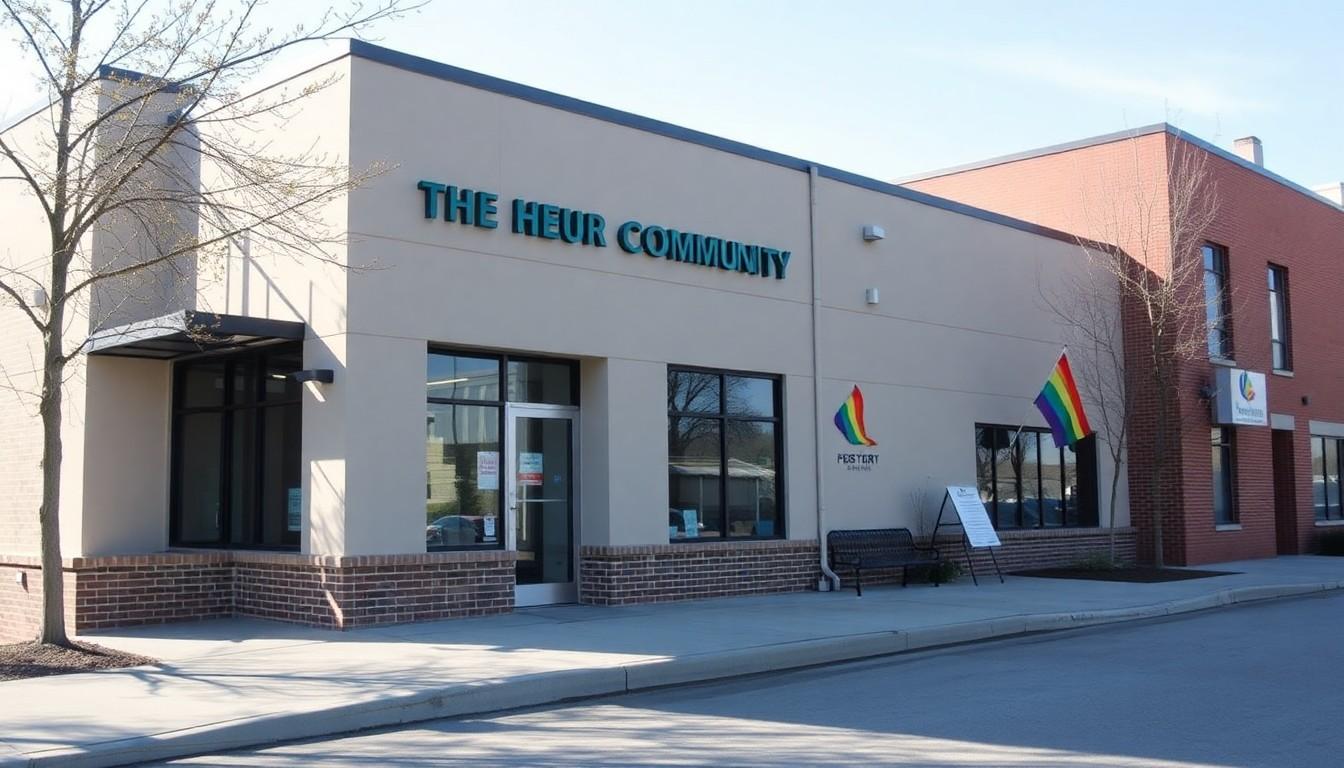
Bain's activism is rooted in St Louis County, where he founded Ferguson Pride and is working towards the area's first Pride parade. The project reflects a broader shift in LGBTQ+ organising, with local events increasingly focused not just on celebration but also on practical support, youth safety and community connection.
That matters because national attention can be fleeting. A parade or community organisation may offer something more durable: familiar faces, accessible services and a place where young people can return throughout the year. Bain's social-work background gives that work an especially grounded quality.
His route into advocacy also reflects the overlap between coaching and care. Bain has said that football coaches and social workers were among the people who shaped him most, and both roles involve helping someone find confidence, structure and a sense of belonging.
Style, family and staying grounded
Away from activism and parenting, Bain's life is considerably more colourful. He describes his style as increasingly androgynous, with bright clothes, vintage-inspired pieces and plenty of thrifted finds. The look is less about following a fixed trend than feeling comfortable enough to wear what he actually likes.
His tattoos carry their own stories, including a design inspired by Chance the Rapper's "Highs and Lows" and another commemorating a close friend who died. That idea of balance seems to echo his approach to public life: celebrate the wins, acknowledge the difficult moments and keep moving.
At home, two dogs and three cats add plenty of noise to the mix, while outings with his daughter might involve a zoo visit or a trampoline park. It's a wonderfully ordinary counterpoint to the headlines, and perhaps the most revealing part of Bain's story. The work matters, but so do the small routines that keep a person steady.
A different definition of sporting influence
Bain no longer misses every part of football. He remembers the exhilaration of scoring, the shared energy of a large team and the particular bond created by training together every day. He has less nostalgia for being tackled in the freezing final weeks of a St Louis season, which seems entirely reasonable.
What he has carried forward is the team mentality. Whether he's supporting a child, organising Pride events or encouraging a queer teenager, Bain is still building the kind of environment where people know they're not facing things alone.
That's a meaningful evolution for a former football star. The biggest win now isn't a touchdown. It's helping someone else feel safe enough to stay in the game.
It's a small, steady kind of activism, but it can change a young person's whole direction.
Source Reference Map
Story idea inspired by: [1]
Sources by paragraph:
- Paragraph 1: [2], [4]
- Paragraph 2: [4], [5]
- Paragraph 3: [2], [7]
- Paragraph 4: [4], [6]
- Paragraph 5: [4], [6]
- Paragraph 6: [4], [5]
- Paragraph 7: [2], [4]
- Paragraph 8: [2], [6]
- Paragraph 9: [4], [7]
- Paragraph 10: [2], [4]
- Paragraph 11: [4], [6]
- Paragraph 12: [4], [2]
- Paragraph 13: [4], [7]
- Paragraph 14: [4], [6]
- Paragraph 15: [2], [4]
- Paragraph 16: [4], [7]