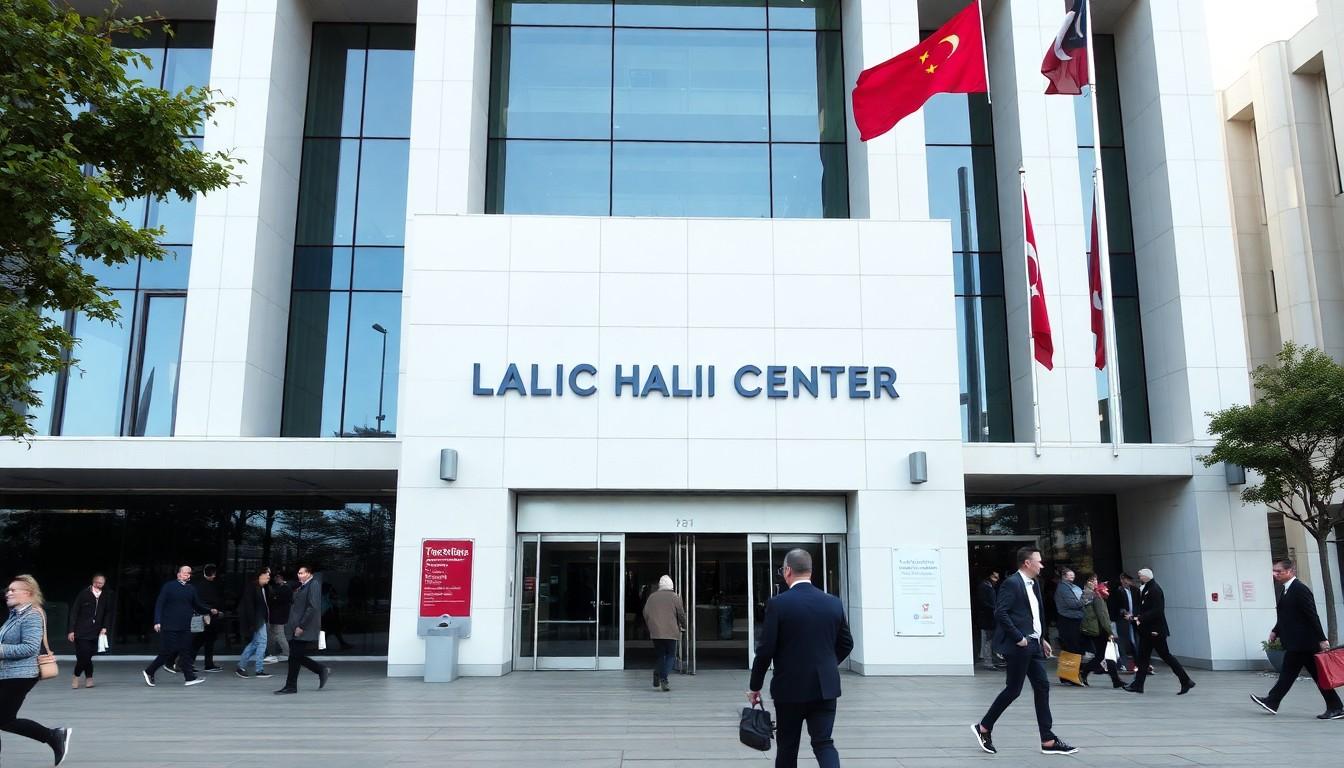
Lawyers at Istanbul Bar Association's annual general meeting have voted to establish an LGBT Rights Centre, prompting sharp disagreement and a brief physical altercation. The decision, passed by 160 votes to 73, has drawn attention to the widening debate over legal advocacy, public order and the role of professional bodies in Turkey.
Essential Takeaways
- The proposal passed: The LGBT Rights Centre motion received 160 votes in favour and 73 against.
- The meeting turned heated: Slogans and opposing political messages preceded a physical confrontation.
- The vote took place at the annual assembly: Istanbul Bar Association held its 128th General Assembly at Haliç Congress Centre.
- Details remain unclear: The bar has not yet published the centre's precise remit, structure or programme.
- The dispute reflects a wider divide: Critics and supporters have framed the issue through sharply different views of rights, family and public life.
A close vote exposes a deeper divide
The Istanbul Bar Association's decision to establish an LGBT Rights Centre has placed a professional legal organisation at the centre of a highly charged public argument. The motion passed with a clear majority, but the 160 to 73 result also showed that opposition inside the assembly was substantial.
According to reports carried by Haberler and Ankara24, the proposal was discussed during the association's 128th General Assembly, held over 24 and 25 October at Istanbul's Haliç Congress Centre. The issue became one of the meeting's most closely watched moments, alongside the election of the bar's new leadership.
For supporters, a dedicated centre could provide a formal point of contact for legal research, advocacy and assistance. For opponents, the proposal represents a political intervention that they believe goes beyond the traditional responsibilities of a bar association.
The proposed centre still has big unanswered questions
The vote established the principle of creating the centre, but its practical shape remains uncertain. No detailed public announcement has yet set out its staffing, funding, legal remit or intended activities, leaving plenty of room for speculation.
That gap matters. A centre focused on legal information and professional research would look very different from one designed to lead public campaigns or represent individual cases. Until the Istanbul Bar Association publishes its framework, the debate is likely to remain focused as much on assumptions as on policy.
This is also where professional credibility comes into play. Bar associations routinely deal with rights, access to justice and legal standards, but any new initiative must explain its purpose clearly if it wants to win confidence beyond its existing supporters.
Slogans turned a formal meeting into a flashpoint
The dispute became more dramatic after a speech by Arife Gökkaya Dinç, a candidate from the Independent Lawyers Group. Reports from Ana Haber and Haberler say that some lawyers displayed an LGBT+ flag and chanted slogans, prompting another group to respond with a nationalist slogan.
The exchange quickly became physical, with punches thrown between opposing groups. Organisers suspended proceedings for around 15 minutes before the meeting resumed with speeches from the candidates for bar president.
It was an ugly scene for an institution built around law and procedure. Heated disagreement is hardly unusual at large professional assemblies, but once a debate spills into violence, the substance of the motion risks being overshadowed by the spectacle.
Why the reaction has been so strong
The proposal has attracted criticism from groups that describe LGBT advocacy as a threat to family life or public order. Detay Haberler reported objections framed around those concerns, while Bitlis Haber13 described strong reactions from lawyers opposed to the decision.
Other coverage, including Nethaber's report on opposition to an Istanbul Bar Association LGBT panel, points to a broader conflict over whether such issues belong within the work of a legal professional body. That question is not unique to Istanbul. Around the world, bar associations regularly face arguments about whether they should focus narrowly on courtroom practice or speak more widely on civil rights.
The answer usually depends on trust. If members feel decisions are transparent, properly debated and connected to legal expertise, advocacy can strengthen an organisation's public role. If they see it as partisan activism, the same decision can deepen internal divisions.
What happens next?
The immediate priority will be clarifying what the new centre is actually meant to do. A published charter, timetable and governance plan would give lawyers and the public something concrete to assess, rather than leaving the discussion to competing headlines and social-media claims.
The association will also need to address the atmosphere surrounding the vote. The reported confrontation has already become part of the story, and future meetings may require stronger moderation and security arrangements to prevent another breakdown.
For now, the vote is significant less because it settles the argument than because it shows how far apart participants remain. A legal body has made its choice, but the harder work of explaining and implementing it is only beginning.
The next test will be whether the centre can turn a divisive vote into credible, transparent legal work.
Source Reference Map
Story idea inspired by: [1]
Sources by paragraph: