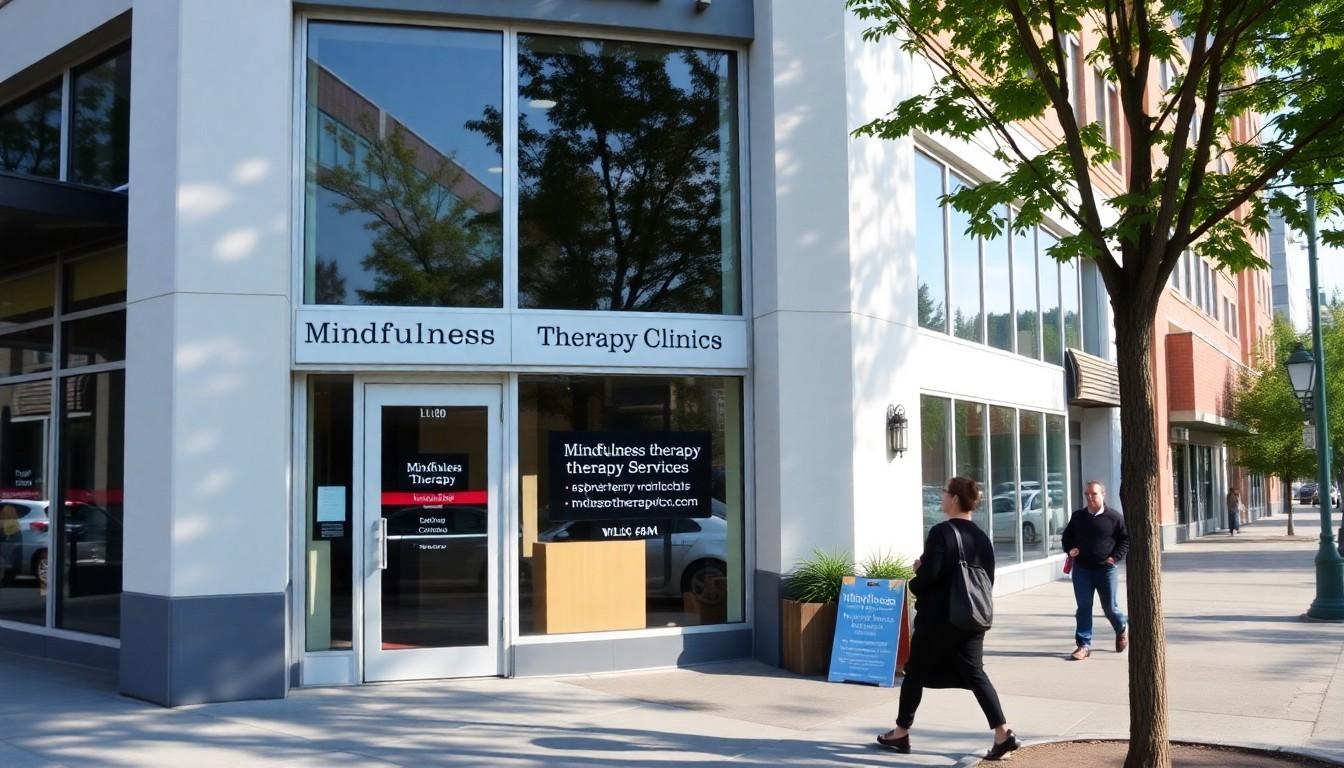
People across Ontario are seeking LGBTQ+ affirming therapy that recognises how discrimination, rejection and constant self-monitoring can affect mental health. The right support offers more than reassurance: it creates a safer place to understand anxiety, process trauma and rebuild trust in yourself, whether sessions happen online or face to face.
Essential Takeaways
- Minority stress matters: Anxiety often reflects repeated stigma, exclusion or safety concerns, not a flaw in identity.
- Trauma can accumulate: Rejection, misgendering, bullying and institutional harm may leave lasting effects, even without one defining event.
- Affirming care is practical: Good therapy respects names, pronouns, relationships, culture and the client’s pace.
- Small grounding tools help: Sensory awareness, slower breathing and supportive contacts can calm the body during difficult moments.
- Urgent help is available: In Canada, call or text 988 for immediate suicide crisis support.
Why LGBTQ+ Anxiety Is Often a Response to Stress
The most important point is also the easiest to lose sight of: being LGBTQ+ isn't the cause of anxiety or trauma. The strain often comes from navigating a world where rejection, harassment and misunderstanding remain real possibilities.
Research published in PLOS ONE links minority stress with poorer mental health outcomes among sexual and gender minority people. That stress can be external, such as discrimination, but it can also become internal: scanning a room, editing your language or anticipating the next uncomfortable question. It’s a tiring way to live, even when nothing obviously dramatic is happening. [2]
That constant alertness may show up as restless sleep, a racing mind, a tight chest or a reluctance to visit places where you’ve previously felt judged. In other words, the nervous system may be doing what it learned to do: looking for danger before it arrives.
Trauma Doesn't Always Begin With One Big Event
A single assault or deeply frightening incident can certainly cause trauma. But repeated smaller experiences can also accumulate, particularly when they involve rejection, humiliation or the need to hide important parts of yourself.
LGBTQ+ affirming counselling approaches this history without asking clients to minimise it. As Therapy Explained notes, affirming support treats sexual orientation and gender identity as valid, while focusing therapy on the distress the person actually wants help with. [3]
That distinction is crucial. A client might want help with panic, shame, relationship difficulties or coming-out decisions, rather than being asked to justify their identity. The best sessions don't make someone perform their LGBTQ+ experience for the therapist; they make room for the whole person.
What Affirming Therapy Should Feel Like
Affirming care starts with respect in the details. That means using the correct name and pronouns, understanding different relationship structures and recognising that culture, faith, race, disability and gender can overlap in complicated ways.
It also means avoiding assumptions. A therapist may ask what safety looks like for you, which relationships feel supportive and what language you prefer. That sounds simple, but it can be quietly transformative when you’re used to correcting people before you can discuss your actual concerns. [4]
Trauma-informed work should also prioritise choice. You shouldn't be pushed to revisit painful memories before you’re ready, and you should be able to discuss present-day symptoms first. Helpful therapy may combine emotional processing with practical techniques for sleep, boundaries, panic and self-compassion.
Gentle Ways to Feel Safer Today
Grounding exercises won't replace professional care, but they can offer a useful pause when anxiety starts gathering momentum. Try identifying five things you can see, four you can touch, three you can hear, two you can smell and one you can taste. It’s a simple reset, but focusing on the room can interrupt the spiral.
Longer exhales may also help. Breathe in gently for four counts, then out for six, repeating for a few rounds if comfortable. Some people find it useful to look around and name neutral, pleasant details, such as a soft jumper, a familiar mug or daylight across the floor. [6]
Support outside therapy matters too. A trusted friend, chosen family member, peer group or LGBTQ+ community organisation can reduce the isolation that often feeds anxiety. And if a conversation, social feed or setting repeatedly leaves you drained, stepping back isn't selfish; it’s a reasonable boundary.
Finding the Right Therapist in Ontario
When comparing therapists, ask direct questions. Are they experienced with LGBTQ+ clients? Do they understand trauma and minority stress? How do they handle pronouns, non-monogamous relationships, cultural identity and confidentiality during online sessions?
A therapist doesn't have to share your identity to offer excellent care, but they should be knowledgeable, respectful and open to learning. Rainbow Connection Counseling highlights the value of LGBTQ+ specific anxiety support that connects symptoms with the broader pressures clients may face. [7]
Online therapy can be especially useful if travelling is difficult or if your local area has limited options. In-person care may feel more grounding for others. Either way, the first conversation is a chance to notice whether you feel listened to rather than assessed.
If anxiety is affecting sleep, work, relationships or your sense of safety for several weeks, reaching out is sensible. You don't need to wait until things become unbearable, and you certainly don't need to prove that your experience is serious enough.
It's possible to heal without giving up the parts of yourself that kept you safe.
Source Reference Map
Story idea inspired by: [1]
Sources by paragraph: