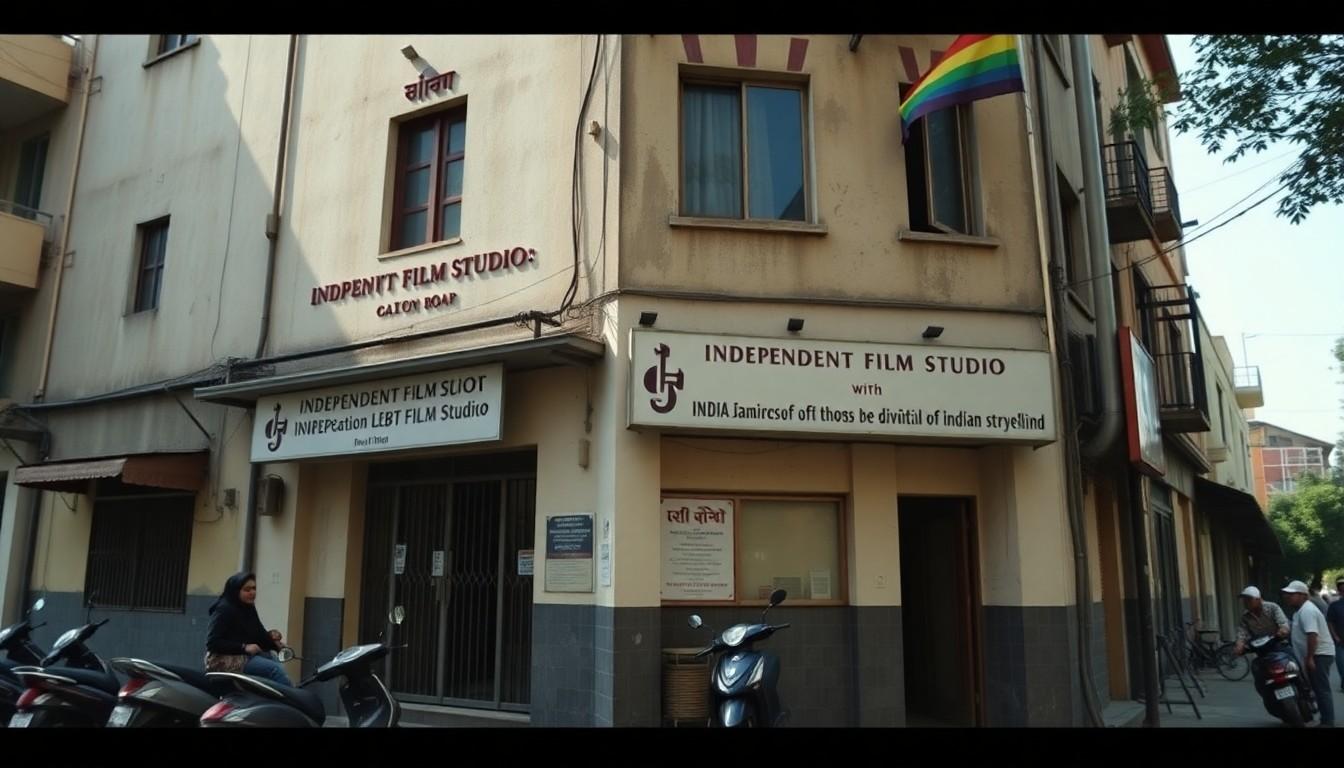
Viewers exploring Indian LGBTQ+ short films will find an intimate mix of romance, identity, mental health and family conflict. From tender urban love stories to brave dramas about trans visibility, these films show queer lives in India with striking honesty, warmth and occasional heartbreak.
Essential Takeaways
- Wide emotional range: The collection moves from gentle romance and friendship to grief, isolation and social pressure.
- Strong cultural context: Family expectations, gendered clothing, conservative communities and migration shape many of the stories.
- Short does not mean slight: Several films use only a few minutes to explore complicated feelings and unfinished relationships.
- Mental health matters: Anxiety, loneliness, body image and depression are presented as central parts of queer life, not side plots.
- Expect rough edges: Some entries are amateur productions, but their emotional ideas often land with real force.
These Indian queer shorts put emotion first
The strongest films in this selection understand that queer storytelling doesn't always need grand speeches. Sometimes it's a glance across a room, a shared bed suddenly feeling awkward, or a message sent after months of silence. Those small moments give the collection its pulse.
According to the supplied film listings, Outside The Safehouse follows Jai, whose devotion to Bharatnatyam collides with family rejection, professional ambition and romantic jealousy. It sounds like a particularly rich combination, because art becomes both his escape and the source of painful choices.
Other stories take a quieter route. One More Night centres on two people meeting before one leaves for Germany, while Stay asks what might happen if a casual encounter didn't end with someone putting their shoes back on and leaving. The mood is soft, but there's an ache underneath it.
From family pressure to finding a chosen self
Family remains one of the collection's most persistent forces. In Shaadi Ke Kapde, Sunny faces pressure to wear gender-conforming clothing at a family wedding, bringing the often-overlooked experiences of trans men into view. The premise is simple, but the social pressure behind it is anything but.
Summer in My Veins, a documentary made in 1999, takes the most direct family approach. Filmmaker Nishit Saran records the difficult process of telling his mother about his sexuality while also carrying fear around HIV. Its emotional centre is the importance of being heard by someone who loves you.
Meanwhile, Kohra places queer love in rural conservative India, where silence and surveillance carry real danger. The film's tragic direction may be difficult viewing, but it reflects how family authority and patriarchal control can turn private affection into a threat.
Romance rarely arrives without complications
For lighter viewing, Love, Possibly offers a warm six-part search for connection in Mumbai. Ari wants more than a quick hookup, and his growing bond with Nakul gives the series a hopeful, easygoing quality. Chai, awkward dates and small butterflies do much of the work, which is precisely why the story feels approachable.
Dil Dear Dil also leans into romance, following Ravi after a painful rejection and Sumit's gradual, unspoken affection for him. Its short episodes make it easy to watch in one sitting, although the emotional journey has enough turns to keep the format engaging.
Then there are the love stories shaped by absence. Birthday Wala Gift deals with grief and the difficulty of moving on, while Tera Mera Heart finds tenderness in sacrifice. Two cash-strapped partners sell cherished possessions to buy something meaningful for each other, giving the film a sweet, slightly old-fashioned romantic glow.
The stranger stories add a touch of fantasy
Not every film stays grounded in everyday realism. Vaidya begins with a meeting on a beach and gradually opens into a mythic story involving the sea. Kabir's attraction to a mysterious man becomes a question about distance, promises and whether love can exist across two different worlds.
My Quarantine Diary goes inward instead. A successful designer returns from Paris to Assam during the Covid-19 pandemic, but hotel quarantine leaves him trapped with memories, desire and an increasingly unstable imagination. The confined setting gives the film a claustrophobic feel, as if the walls are closing in one remembered conversation at a time.
These films are useful reminders that Indian LGBTQ+ cinema doesn't have to fit one tone. It can be romantic, surreal, anxious, funny or deeply tragic, sometimes within the same short viewing session.
Mental health gets a rare comic treatment
One of the most distinctive entries is Mind Mera Mind, which personifies anxiety, self-doubt, toxic masculinity, insomnia, loneliness and depression as irritating characters surrounding Prateek. It's a playful device, but the problems themselves are serious: sexuality, body image and independence all begin to affect his ability to function.
That comic framing could make difficult subjects easier to approach, especially for viewers who recognise the exhausting experience of arguing with their own thoughts. The film's central question is not simply whether Prateek can feel better, but whether he can accept help.
There is value in that choice. Queer characters are often expected to represent either suffering or triumph, while real life is usually messier and occasionally absurd. A film that lets mental health be both painful and awkward feels refreshingly human.
What to expect before you press play
This is a varied, uneven collection, and that matters. Some films have polished ideas but amateur acting or modest production values; others are brief enough to feel more like emotional sketches than fully developed dramas. Still, a rough surface doesn't erase a memorable premise.
For newcomers, Love, Possibly and Tera Mera Heart are gentle starting points, while Mind Mera Mind offers a more inventive approach to mental health. Viewers looking for heavier material should turn to Kohra, Shaadi Ke Kapde or Summer in My Veins, and those who enjoy ambiguity may prefer Vaidya or My Quarantine Diary.
The appeal is less about technical perfection than perspective. Together, these films make room for queer characters who want love, artistic freedom, family acceptance, stability and simply one more night with someone they can't quite let go.
Explore the collection by mood, and let the quieter stories surprise you.
Source Reference Map
Story idea inspired by: [1]
Sources by paragraph:
- Paragraph 1: [2], [4]
- Paragraph 2: [3], [4]
- Paragraph 3: [5], [6]
- Paragraph 4: [4], [7]
- Paragraph 5: [2], [4]
- Paragraph 6: [3], [4]
- Paragraph 7: [4], [5]
- Paragraph 8: [6], [7]
- Paragraph 9: [2], [4]
- Paragraph 10: [3], [4]
- Paragraph 11: [5], [7]
- Paragraph 12: [2], [4]
- Paragraph 13: [3], [6]
- Paragraph 14: [4], [7]
- Paragraph 15: [2], [5]
- Paragraph 16: [3], [4]
- Paragraph 17: [5], [6]
- Paragraph 18: [2], [7]
- Paragraph 19: [3], [4]
- Paragraph 20: [5], [7]
- Paragraph 21: [2], [4]