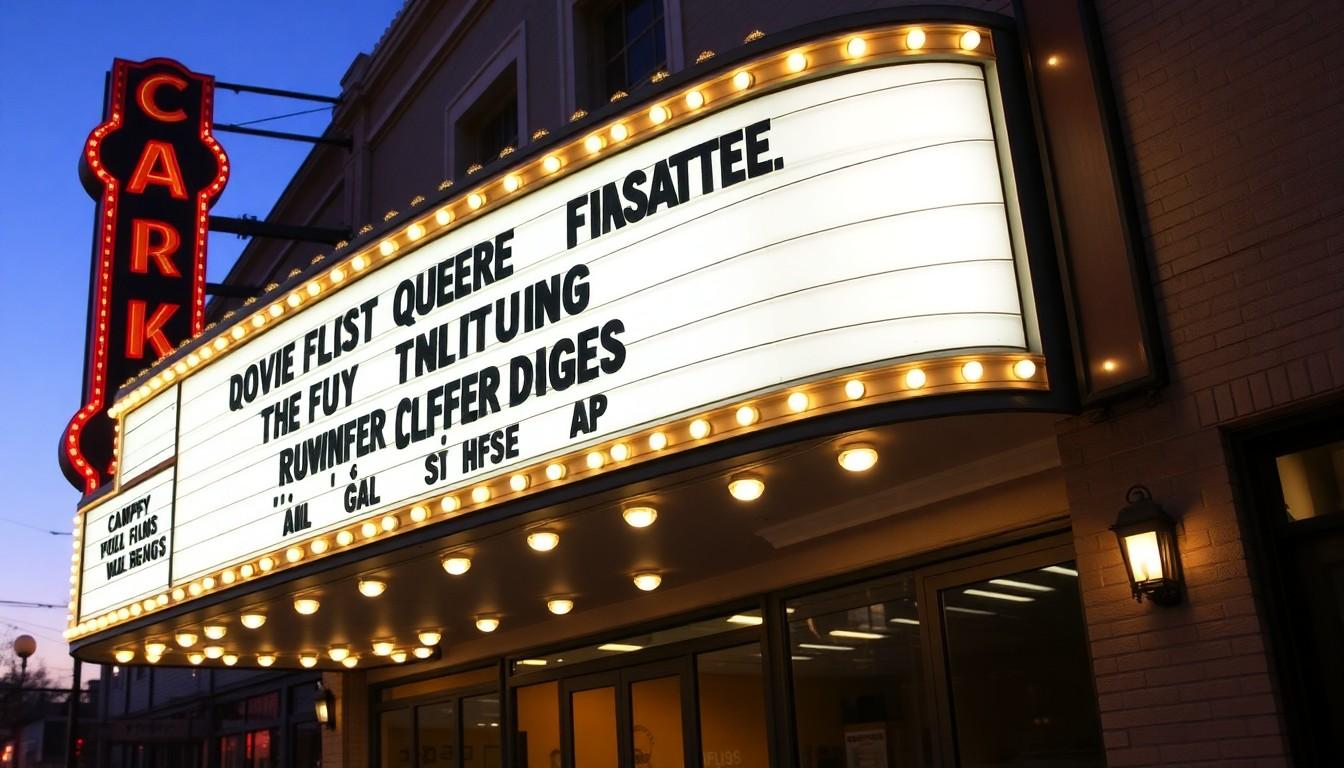
Viewers are embracing camp, melodrama and glorious television chaos, from Valley of the Dolls to John Waters classics and reality-show spectacles. These guilty pleasure films and trashy TV favourites offer escapism with plenty of sharp wit, big performances and wonderfully questionable decisions.
Essential Takeaways
- Camp remains timeless: Valley of the Dolls turns Hollywood ambition into glossy, melodramatic mayhem.
- John Waters still rules: His films mix provocation, humour and unforgettable characters.
- Reality TV has range: Dating shows, haunted-house investigations and family dramas can be trashy, clever or both.
- Queer audiences know their classics: The best guilty pleasures invite repeat viewing and enthusiastic quoting.
- No shame required: Enjoying something outrageous doesn't make it less worthwhile.
Why Valley of the Dolls Still Delivers Maximum Camp
Few films understand excess quite like Valley of the Dolls. Adapted from Jacqueline Susann's bestselling novel, the 1967 drama follows three women chasing success in show business, only to encounter addiction, exploitation and spectacularly bad choices.
The film's appeal isn't subtlety. It's the combination of heightened performances, glossy production and dialogue that seems determined to become a catchphrase. Criterion's presentation of Valley of the Dolls underlines its enduring status as a landmark of camp, even though its original critical reception was far less enthusiastic.
That tension is exactly the fun. The film aims for serious Hollywood tragedy but lands somewhere more entertaining, where every emotional collapse arrives with an extra flourish. For a queer movie night, it's practically built for group commentary.
John Waters Makes Trash Feel Like High Art
John Waters understood that bad taste could be a creative language. Films such as Pink Flamingos, Female Trouble and Desperate Living pushed past conventional comedy, turning grotesque characters and outrageous situations into something strangely polished in their own unruly way.
Desperate Living, as Criterion's film notes make clear, sits firmly within Waters' early, confrontational period. Its fantasy setting and rebellious characters allow the director to attack social respectability while delivering the sort of lurid spectacle that makes polite viewing impossible.
That doesn't mean every Waters film is easy watching. Some scenes are deliberately abrasive, and the humour can be savage. But there’s a real craft beneath the filth, which is why his work continues to attract viewers who want their entertainment loud, strange and entirely unembarrassed.
Trashy TV Offers a Different Kind of Escape
The modern guilty pleasure isn't limited to old films. Reality television has created an enormous playground for viewers who enjoy romance, rivalry, family tension and people making decisions no sensible friend would endorse.
Shows such as Love Is Blind, 90 Day Fiancé, The Traitors and The Real Housewives thrive on that mix of sincerity and spectacle. Meanwhile, programmes including Welcome to Plathville and The Secret Lives of Mormon Wives offer a window into tightly controlled communities, where personal conflict quickly becomes the main event.
Then there are the wonderfully specific niches: ghost-hunting series, police ride-alongs and melodramatic teen dramas such as Riverdale. Their appeal is partly narrative and partly visual. Whether it's a haunted corridor, an over-designed mansion or a suspiciously muscular uniformed officer, the viewing experience often begins with curiosity and ends several episodes later.
How to Choose Your Next Guilty Pleasure
If you want classic camp, start with Valley of the Dolls or Cry-Baby. The former offers old-Hollywood melodrama, while the latter delivers a more playful John Waters experience, complete with rebellious romance and a knowingly cartoonish tone.
For something more chaotic, reality formats are easy to match to your mood. Choose The Traitors for strategy and betrayal, Love Is Blind for romantic confusion, or The Real Housewives for a rotating supply of arguments, alliances and unforgettable one-liners.
A useful rule is to decide whether you want comfort or disruption. Familiar sitcoms such as Married... with Children and 2 Broke Girls work well as repeat viewing, while shows such as On Patrol: Live or a ghost-hunting series provide a more unpredictable evening. Sometimes, of course, the ideal choice is simply whatever makes you reach for the remote and say, "Just one more episode."
Guilty Pleasures Are Better Without the Guilt
The phrase itself deserves a rethink. Calling something a guilty pleasure suggests that enjoyment needs defending, when camp has always worked best as a shared experience: watch it, quote it, laugh at it and invite someone else into the joke.
That may be why these films and shows remain so popular. They create room for exaggeration, communal reaction and a little harmless escapism after a long day. Even when the plot is ridiculous, the pleasure is real.
So pour the drink, silence the phone and choose your level of chaos. The best trashy entertainment isn't asking to be taken seriously, but it can still leave a lasting impression.
Find your next camp classic and enjoy it without apology.
Source Reference Map
Story idea inspired by: [1]
Sources by paragraph: