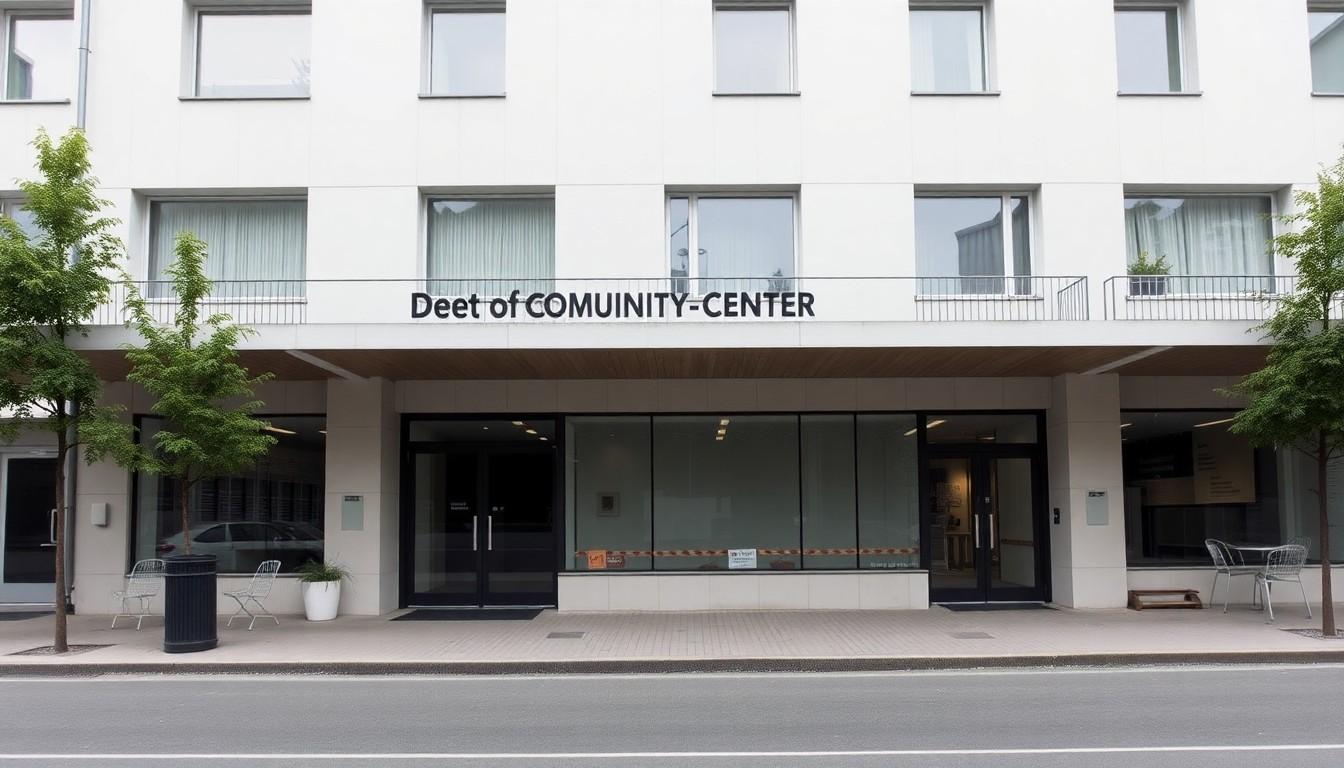
Berlin's Casa Kuà raid has unsettled the city's trans community, prompting anger over policing, public funding and access to care. The incident has also reopened a wider question: how can Berlin protect the grassroots spaces that many trans people rely on when official healthcare remains difficult to access?
Essential Takeaways
- Casa Kuà matters: The Kreuzberg centre offers community, support and trans-focused services in a welcoming setting.
- The raid has sparked criticism: Community groups say the police operation felt disproportionate and traumatising.
- A court order was involved: Authorities said the search formed part of a criminal investigation, but critics question how it was carried out.
- Healthcare remains central: The dispute has renewed calls for free, accessible gender-affirming treatment, including hormone therapy.
- Funding is now under scrutiny: Supporters want stronger backing for community-led services facing financial pressure.
Why the Casa Kuà raid has struck such a nerve
The controversy centres on a police search at Casa Kuà in Berlin, where a weekly Dolls gathering was taking place. For the people who use the centre, it isn't simply a venue with a timetable and a front door. It's a rare space where transfeminine people, including migrants, working-class visitors, neurodivergent people and QTBIPoC communities, can meet without having to explain themselves.
That helps explain the strength of the response. Reporting by The Advocate and The Local described the operation as a major flashpoint in Berlin's ongoing argument over trans safety and healthcare. A room that usually offers warmth, conversation and solidarity was suddenly associated with uniforms, fear and disruption.
Casa Kuà's supporters say the setting is important precisely because mainstream queer spaces don't always feel equally accessible. Berlin may have a lively LGBTQ+ scene, but choice on a city map doesn't necessarily mean genuine safety for everyone.
A legal search can still raise serious questions
Authorities reportedly had a search warrant, and no one disputes that police may investigate alleged offences. The argument is about proportionality, preparation and the way vulnerable people were treated during the operation.
According to Tagesschau's regional reporting, the raid prompted debate about the treatment of trans people and the city's support structures. Critics argue that having judicial authorisation doesn't automatically settle whether a search was conducted with suitable care, particularly in a community centre serving people who may already distrust state institutions.
The details mentioned after the search have also become politically charged. Critics say references to seized medication and cash risk creating suspicion around items that can have entirely lawful explanations. In a climate where trans people are already targeted by damaging stereotypes, that kind of framing can travel quickly and do real harm.
Berlin's trans healthcare gap is impossible to ignore
The dispute has moved beyond policing because Casa Kuà sits within a much larger healthcare problem. Germany has seen persistent difficulty accessing gender-affirming services, from long waiting lists to uneven provision and complicated administrative requirements.
The Local reported that the fallout has revived calls for state-funded trans health centres and easier access to hormone replacement therapy. Those proposals are welcome, but they also underline the role community organisations have been playing while official systems struggle to keep up.
For many people, Casa Kuà offers more than clinical information. It can provide practical knowledge, informal reassurance and a trusted route towards support. Healthcare isn't only about a consultation room; sometimes it starts with knowing where you won't be judged.
Training and accountability are now under the spotlight
The open letter criticised the apparent gap between Berlin's stated commitment to tackling anti-queer violence and the experience reported by people at the centre. Its signatories called for properly designed police training, clear accountability and the involvement of qualified social workers where officers aren't essential.
That demand reflects a broader shift in public expectations. LGBTQ+ communities increasingly want authorities to show they understand context, rather than treating identity and vulnerability as afterthoughts. Heist Berlin's description of the city's LGBTQ+ landscape helps illustrate why a one-size-fits-all approach can miss the very people most in need of protection.
Training alone won't repair damaged trust, of course. It needs oversight, consequences when standards aren't met and a willingness to listen to the people affected. Otherwise, it risks becoming another polished promise that feels rather thin on the ground.
What happens next for Casa Kuà?
The immediate question is whether Casa Kuà will receive secure public support, particularly as community organisations face wider budget pressure. The signatories behind the letter want funding decisions to recognise the centre's health, social and cultural role, rather than treating it as an optional extra.
Queer.de reported on the political dispute surrounding the raid, including criticism of how officials responded afterwards. That reaction has made the Berlin Queer Commissioner, Alfonso Pantisano, a central figure in the conversation, with community groups urging him to advocate more firmly for those affected.
The path forward is fairly clear, even if delivering it won't be easy: listen to transfeminine and BIPOC voices, investigate the raid transparently, improve police practice and protect the grassroots services filling gaps in healthcare. Berlin's reputation as a queer-friendly city will be tested less by slogans than by what happens when its most vulnerable residents ask for safety.
It's a small community centre carrying a very large responsibility, and it needs more than an open door.
Source Reference Map
Story idea inspired by: [1]
Sources by paragraph:
- Paragraph 1: [3], [6]
- Paragraph 2: [4], [6]
- Paragraph 3: [2], [5]
- Paragraph 4: [3], [4]
- Paragraph 5: [3], [6]
- Paragraph 6: [4], [7]
- Paragraph 7: [6], [7]
- Paragraph 8: [3], [6]
- Paragraph 9: [2], [5]
- Paragraph 10: [2], [3]
- Paragraph 11: [4], [7]
- Paragraph 12: [6], [7]
- Paragraph 13: [3], [5]
- Paragraph 14: [7], [6]
- Paragraph 15: [2], [4]