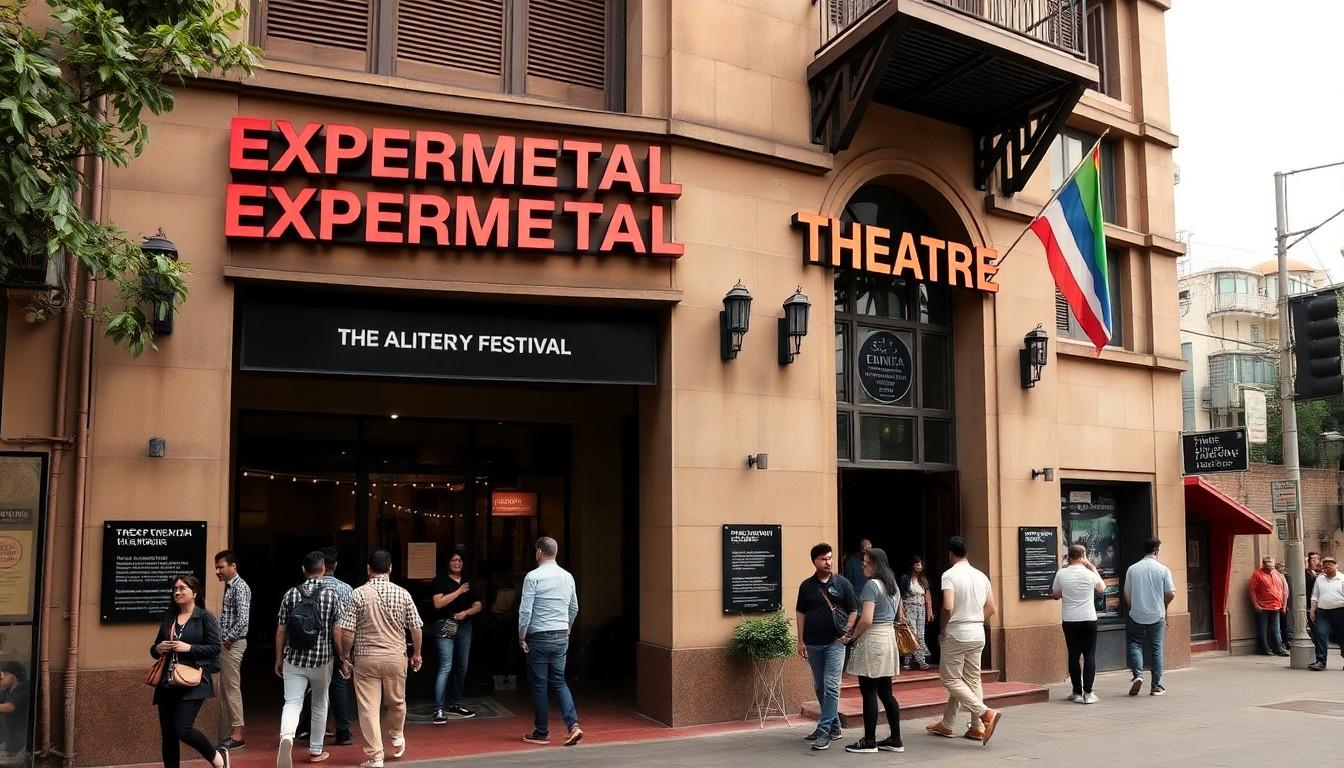
Audiences at Godrej Literature Live! The Mumbai LitFest 2026 encountered a vivid, music-led performance about language, identity and belonging. Through poetry, singing and instrumental sound, five artists explored how everyday words can reinforce prejudice, challenge stereotypes and give marginalised voices room to breathe.
Essential Takeaways
- Words carry power: The performance examined how labels and headlines can shape public attitudes.
- Five voices, one conversation: cát nguyên, Flo Cornall, Harmeet Singh Rahal, Lizzie Chan and Tashyana Handy shared connected perspectives.
- Poetry met music: Spoken word, singing and instrumental accompaniment created an intimate, layered atmosphere.
- Identity stayed central: Themes included gender, sexuality, masculinity, family pressure, safety and belonging.
- The festival continued: Mumbai LitFest 2026 brought literary discussions and performances to audiences through 25 October.
A performance that made language feel personal
Language Is A Queer Thing did more than discuss words. It made the audience feel their weight, especially when a label can quietly determine how someone is treated, understood or dismissed. The hour-long session used spoken-word poetry, song and live music to turn an abstract subject into something immediate and human.
The performance featured cát nguyên, Flo Cornall, Harmeet Singh Rahal, Lizzie Chan and Tashyana Handy. According to the festival’s programme information, the session formed part of Godrej Literature Live! The Mumbai LitFest 2026, which brought writers and performers together in Mumbai. [3], [4]
Rather than presenting language as a neutral tool, the artists showed how it can influence behaviour and public perception. A phrase that sounds harmless in conversation can carry an old stereotype underneath it, which is precisely what gave the performance its quiet force. [5], [6]
When headlines leave people behind
The opening reflection focused on journalism and the way a headline can frame an entire story in only a few words. That idea felt especially relevant in a media landscape where speed often wins over nuance. A neat label may be memorable, but it can also flatten the complicated person at the centre of the story.
Flo Cornall’s contribution examined that tension, asking what gets lost when human circumstances are reduced to a handful of words. The piece connected the mechanics of reporting with wider questions about who gets believed, who gets represented and who is left outside the frame. [2], [4]
It was a strong starting point because most people encounter identity through language before they encounter it through lived experience. One sentence can invite empathy, or quietly close the door.
Stereotypes, masculinity and the right to be seen
The performance then moved into questions of gender, sexuality and social expectation. One section addressed the stereotypes faced by queer Asian men, challenging narrow assumptions about appearance, behaviour and identity. Another considered the pressures placed on women, including the expectation that they should reshape their ambitions to satisfy family or social conventions. [5], [6]
These stories were different, but they shared a common thread: the pressure to perform an acceptable version of oneself. Masculinity was linked with emotional restraint, while femininity was connected with compromise and self-suppression. The result was a portrait of prejudice that felt less like a dramatic villain and more like a collection of everyday instructions.
The session also raised questions about safety, dignity and the freedom to love without fear of judgement. Those themes gave the work emotional depth, keeping it rooted in real consequences rather than leaving it as an academic discussion. [2], [4]
Music gave the words room to breathe
Harmeet Singh Rahal’s instrumental accompaniment added another texture to the performance. The music did not simply sit behind the poetry; it helped the separate contributions feel like parts of one conversation. Spoken passages, singing and rhythm moved between intimacy and urgency, giving the audience time to absorb each voice.
That ensemble quality mattered. A performance about identity could easily become a sequence of isolated personal accounts, but the musical structure created links between them. One story seemed to echo another, suggesting that different experiences can meet without becoming identical. [3], [6]
There was also a welcome sense of restraint. The sound supported the words rather than overwhelming them, allowing small shifts in tone, pause and emphasis to land naturally. Sometimes the quietest moment says the most.
Why this conversation belongs at a literary festival
Godrej Literature Live! has long created space for conversations that sit between literature, performance and public life. Language Is A Queer Thing extended that tradition by showing that poetry can question social habits as effectively as it can express private feeling. [4], [7]
For audiences, the performance offered more than a single evening of entertainment. It encouraged listeners to notice the labels they inherit, repeat and accept without much thought. That makes it especially relevant beyond the theatre, where the same assumptions can surface in newsrooms, homes, workplaces and social media feeds.
As Mumbai LitFest 2026 continued through 25 October, the session stood out as an example of how live art can make difficult ideas feel accessible. It left behind no simple slogan, but perhaps a more useful challenge: listen more carefully to the words shaping how people are seen. [3], [7]
A small change in language can make space for a much larger truth.
Source Reference Map
Story idea inspired by: [1]
Sources by paragraph:
- Paragraph 1: [2], [3]
- Paragraph 2: [4], [5]
- Paragraph 3: [6], [7]
- Paragraph 4: [2], [4]
- Paragraph 5: [3], [6]
- Paragraph 6: [5], [7]
- Paragraph 7: [2], [3]
- Paragraph 8: [4], [6]
- Paragraph 9: [3], [7]
- Paragraph 10: [2], [5]
- Paragraph 11: [4], [7]
- Paragraph 12: [3], [6]
- Paragraph 13: [2], [4]
- Paragraph 14: [5], [7]
- Paragraph 15: [3], [7]