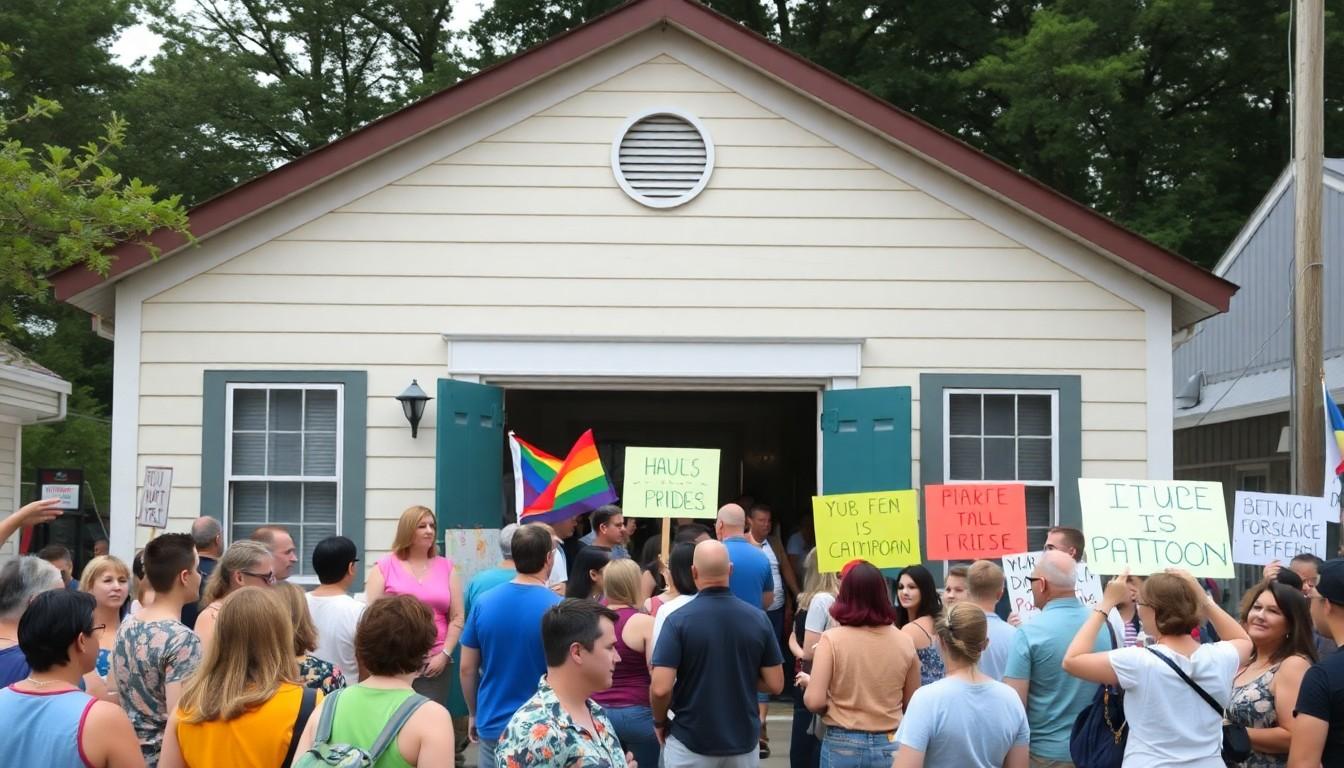
Festival-goers at a North Carolina Pride event found an unexpected symbol of welcome when a former pastor arrived dressed as Jesus, rainbow leis and all. His playful intervention offered a striking alternative to hostile religious protests, reminding LGBTQ+ attendees that faith can look like kindness, solidarity and showing up.
Essential Takeaways
- A visual response: The costume challenged hostile preaching without competing for attention.
- A warm reception: Attendees welcomed the message with selfies, smiles and emotional thanks.
- A familiar tactic: Pride events have increasingly faced organised anti-LGBTQ+ protests.
- A broader lesson: Faith-based support can be visible, joyful and firmly inclusive.
Sometimes the quietest protest says the most
The strongest image from this Pride festival wasn't a shouting match. It was a man in a robe, beard and rainbow accessories standing between a hostile religious demonstration and a crowd determined to enjoy its day.
That choice mattered because it changed the usual script. Instead of answering condemnation with louder condemnation, the former pastor offered a physical picture of the faith he believed the protesters had misrepresented: open arms, a welcome and a reminder that nobody's dignity was conditional.
Similar scenes have played out at Pride events elsewhere. LGBTQ+ Nation has reported on counterprotesters using music, chanting and sheer presence to drown out anti-LGBTQ+ preachers, while other gatherings have seen supporters confront demonstrators directly. The North Carolina approach was different, but the purpose was familiar: protect the atmosphere without handing hate the whole stage.
A rainbow twist on a familiar religious symbol
The outfit was deliberately theatrical. A robe, wig and beard supplied the instant visual joke, while rainbow leis and sunglasses made the allegiance unmistakable. It was campy, but not careless; the humour helped soften the moment while the signs carried the serious message.
Some read as direct instructions to ignore the demonstrators and enjoy Pride. Others told LGBTQ+ visitors they were loved and beautiful as they were. That combination gave the intervention its emotional range: a little mischief, plenty of reassurance and no appetite for a theological shouting contest.
Pride has long understood the power of visual language. Flags, costumes, banners and glitter can turn a street into a declaration of belonging. Here, a religious figure was reclaimed as an emblem of acceptance rather than judgement.
The crowd recognised the message immediately
The response was swift and deeply personal. Young people asked for photographs, families joined the display and supporters posed with signs and leis. For many, the moment was simply funny. For others, it touched a much older wound.
One attendee reportedly thanked the man for representing the Jesus she had been taught to believe in but had never encountered in her church. That reaction explains why the stunt landed so strongly. It wasn't only about costume humour; it was about the gap between religious language used as a weapon and faith experienced as care.
That tension is increasingly visible at Pride events. In Durham, faith groups have publicly emphasised that LGBTQ+ people are loved and welcome, according to EducationNC. Meanwhile, reports from Pride demonstrations in Bristol and elsewhere show how religious protest can become a source of confrontation rather than comfort.
Why counterprotesters are changing tactics
There was a time when the default answer to an aggressive protest was volume. Counterprotesters sang, chanted and argued back, sometimes turning the gathering into a wall of competing noise. That can be energising, but it can also make the antagonists the centre of attention.
The Jesus costume offered another route: don't debate every slogan; create a stronger image. It gave festival-goers something positive to gather around and made the protesters' hostility look increasingly isolated.
That doesn't mean every situation can be solved with a costume or a clever sign. When threats or violence appear, event organisers need clear safety plans, trained stewards and support from the relevant authorities. Reports of violence at Pride-related demonstrations, including clashes involving anti-LGBTQ+ extremists and counterprotesters, show why good intentions must be matched with practical preparation.
A small performance with a lasting after-effect
The most memorable part of the story is that the intervention didn't rely on a speech. Its message was visible before a word was spoken, and supporters could participate simply by standing nearby, holding a sign or sharing a photograph.
That makes the gesture more than a one-day joke. It suggests that inclusive faith communities don't have to remain quiet while louder groups claim religious authority. They can attend, identify themselves, offer comfort and make their values unmistakable.
Pride will always contain celebration, politics and protest. But sometimes the most effective contribution is also the most human: stand where you're needed, make people feel safer and let kindness do the talking.
It's a small lesson in how joy can become a form of resistance.
Source Reference Map
Story idea inspired by: [1]
Sources by paragraph: