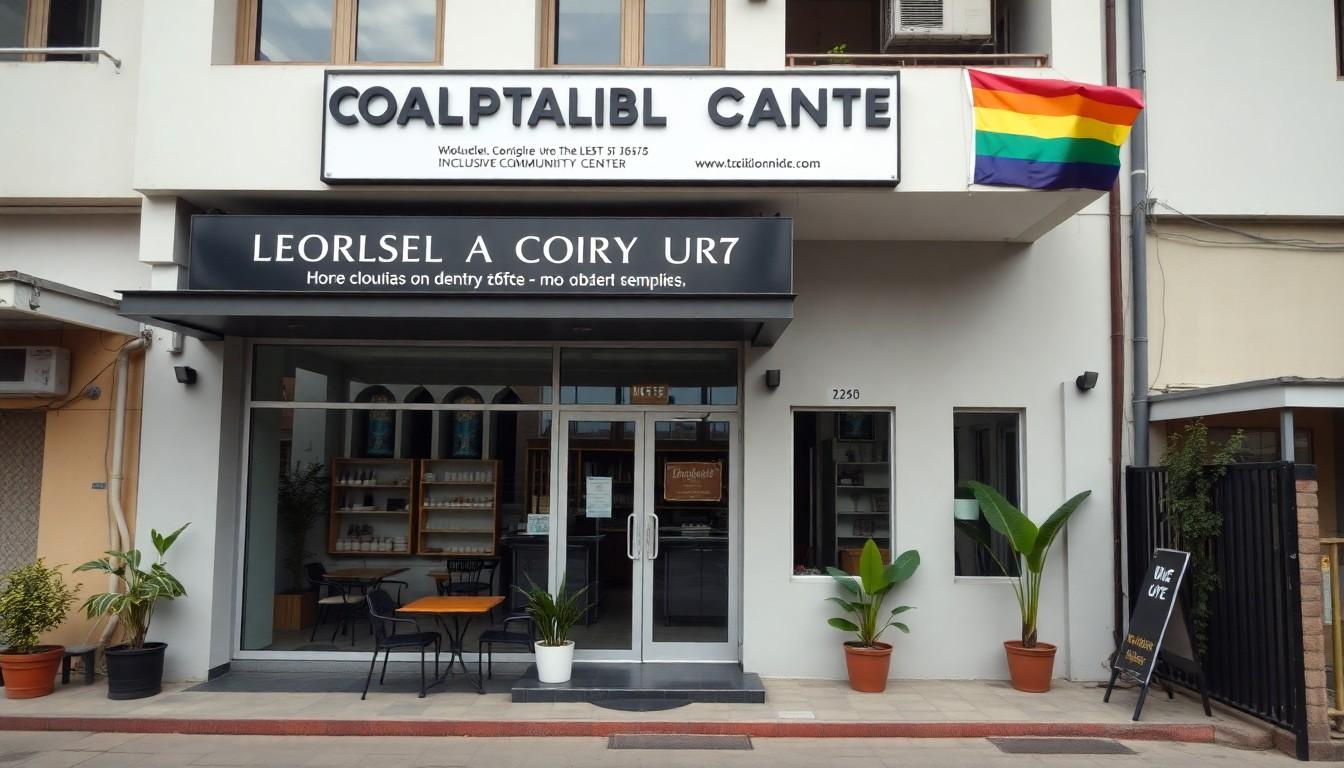
Queer representation in India is increasingly being shaped by people who bring inclusion into everyday spaces, from political conversations to classrooms, cafés and cultural institutions. Anish Gawande and Radhikaraje Gaekwad offer two distinct but connected examples of why visibility matters most when it creates dialogue, opportunity and belonging beyond Pride month.
Essential Takeaways
- Representation needs staying power: Visibility matters when it continues after rainbow logos disappear.
- Shared spaces can work better: Gaekwad’s vocational initiative opened existing classes to trans people rather than separating them.
- Conversation is a practical tool: Gawande argues that patient dialogue can help people move beyond unfamiliar language and assumptions.
- Gazra makes inclusion tangible: The Vadodara café combines hospitality, employment and LGBTQIA+ visibility in one welcoming setting.
- Progress remains uneven: Public acceptance can sit uncomfortably beside discrimination and everyday prejudice.
Visibility means more than a rainbow logo
The sharpest contradiction in queer life in India is also one of the most familiar. A person may face hostility because of their gender identity, then watch companies decorate their branding with rainbow colours the following day. The contrast can feel less like solidarity and more like a seasonal marketing exercise.
Yet visibility still matters, particularly when it is attached to real work. Anish Gawande, described by Wikipedia as an openly gay political figure and national spokesperson, has taken queer representation into a public arena where disagreement is unavoidable. That position doesn't offer the comfort of simply avoiding every prejudiced person. Instead, it demands persistence, composure and the difficult business of keeping conversations open.
This is where representation becomes more than symbolism. It puts a recognisable face in rooms where queer people have often been discussed, rather than heard. That may not solve prejudice overnight, but it can make exclusion harder to present as someone else's problem.
Radhikaraje Gaekwad's inclusive model starts with access
Radhikaraje Gaekwad's work offers a different route into the same conversation. Through her leadership and social initiatives, she has supported spaces designed to create opportunity, including work connected with education, skills and community participation.
Her experience at Shri Maharani Chimnabai Stree Udyogalaya led to a telling change in approach. Rather than creating a separate programme solely for trans participants, she opened the regular classes to them. The result was more organic participation, with trans people joining as teachers and administrative staff, according to the Vogue India interview.
That detail carries a useful lesson for organisations trying to improve inclusion. A separate room can look progressive while quietly reinforcing the idea that some people don't belong in the main one. Sometimes the more meaningful gesture is to change the existing space so people can enter it on equal terms.
Gazra turns queer inclusion into an everyday experience
In Vadodara, Gaekwad's Gazra café gives the principle a physical address. Reported by the Times of India as Gujarat's first café run by LGBTQIA+ people, it brings food, work and community into the same setting.
Coverage from Slurrp highlights the café's blend of food, art and queer pride, making it more than a place to grab a drink. There is something quietly powerful about inclusion being part of an ordinary afternoon. Customers can sit, eat and meet staff without the experience being framed as a lecture or a special occasion.
The café also reflects a wider shift in how queer-led enterprises are understood. They aren't simply symbolic projects or temporary Pride-season attractions. They can be workplaces, cultural venues and commercially viable businesses, while offering employees a sense of recognition that conventional workplaces don't always provide.
Why patient conversations still matter
Gawande's approach is notably practical. He distinguishes between deliberate homophobia and ignorance, suggesting that not everyone who uses the wrong language understands its impact or knows how to improve. As he told Vogue India, responding to every mistake with anger can sometimes make people more defensive rather than more receptive.
That doesn't mean prejudice should be excused. It means the response may need to match the situation. A careless question can become an opening for explanation, while sustained hostility may require a firmer boundary. The challenge is knowing the difference, especially when queer people are repeatedly asked to educate others at their own emotional expense.
Mid-Day's reporting on Gazra similarly presents inclusion as something built through contact and familiarity. When people share a table, a workplace or a conversation, identities that once seemed abstract become part of ordinary human experience. It isn't a substitute for rights or accountability, but it can chip away at the distance that prejudice relies on.
The next step is making inclusion ordinary
The examples offered by Gawande and Gaekwad point towards a more durable kind of queer representation in India. One works through political engagement and public dialogue; the other through employment, hospitality, education and community spaces. Neither depends on a single annual campaign.
Gaekwad's official leadership profile places her work within a broader record of initiatives, while Gawande's public role shows how queer visibility can enter mainstream political life. Together, they suggest that inclusion is strongest when it appears in several forms at once, as a policy, a conversation, a job and a place where people can simply feel comfortable.
For readers and organisations, the practical takeaway is straightforward. Look beyond slogans and ask who has access, who is being heard and who gets to shape the space. Real progress can feel less glossy than a logo change, but it tends to last much longer.
A welcoming space matters most when people can return to it tomorrow.
Source Reference Map
Story idea inspired by: [1]
Sources by paragraph: