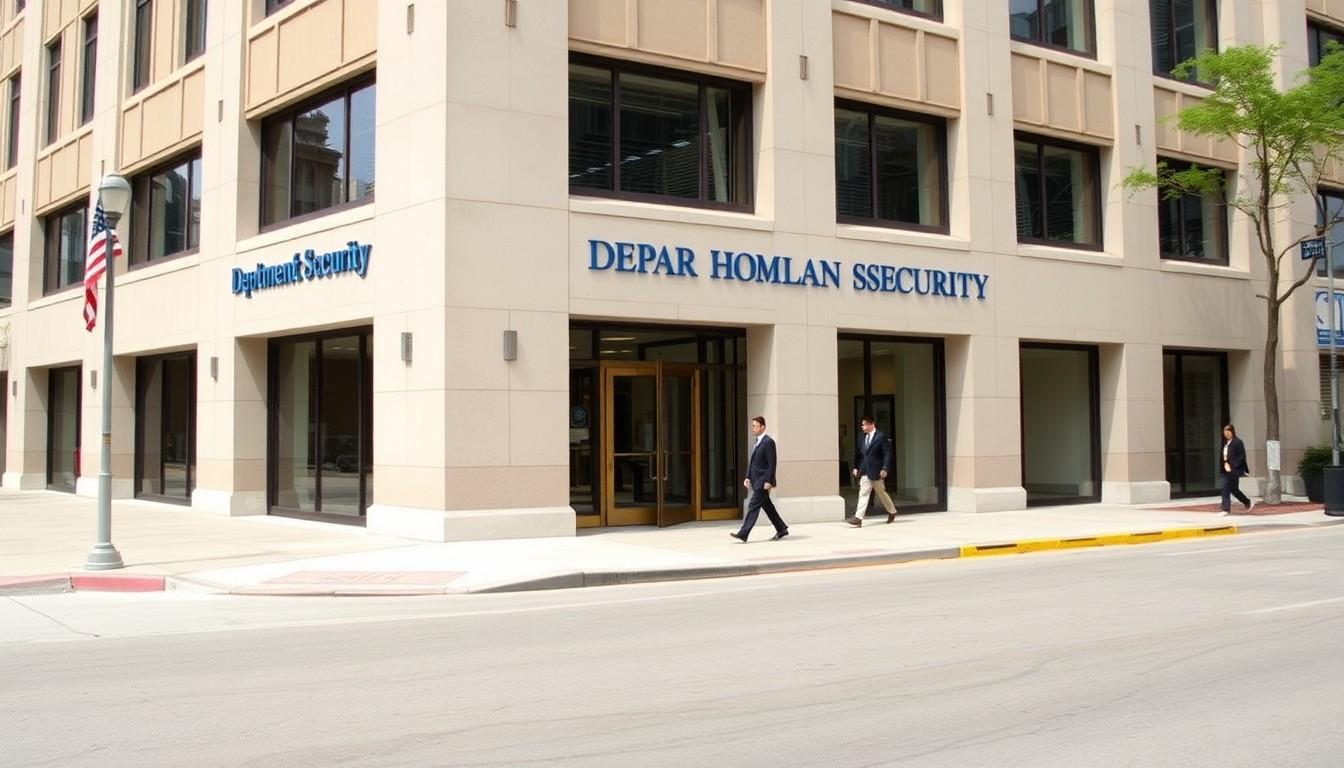
Records obtained through a Freedom of Information Act request show that US Homeland Security agencies planned a wide range of Pride Month activities during working hours in 2023. The calendar offers a snapshot of Biden-era workplace policy, while later federal directives under Donald Trump reshaped how agencies approach diversity programmes and employee events.
Essential Takeaways
- A broad 2023 schedule: DHS components planned forums, screenings, ceremonies, newsletters and public Pride activities.
- Events during office hours: Several entries were assigned specific weekday times, although the documents don't show attendance or costs.
- Programmes covered varied topics: The calendar listed sessions on bisexual, pansexual, transgender, intersex and asexual identities.
- Trump-era policy shift: Federal agencies were later instructed to close DEI offices and cancel related training.
- Important uncertainty remains: The records don't establish that every listed event happened or explain what happened to similar activities afterwards.
A packed calendar drew fresh scrutiny
The 20-page calendar shows just how extensively Pride Month had been built into the Department of Homeland Security's internal schedule. FEMA, the Secret Service, immigration agencies and the Federal Law Enforcement Training Centers all appeared in the records, with entries ranging from discussion forums to video viewings.
The detail likely to attract the most attention is the timing. Some activities were placed squarely within the working day, with afternoon forums and a lunchtime session among the listed events. Still, the documents don't say how many staff attended, how much the programme cost or whether every item went ahead.
The records were obtained by the Center to Advance Security in America through a FOIA request and reported by the Daily Caller News Foundation. BizPac Review published the account as debate continues over whether workplace inclusion initiatives support an agency's mission or distract from it.
What did DHS agencies plan for Pride Month?
FEMA's entries included separate forums focused on bisexual and pansexual employees, transgender and gender-nonconforming people, intersex people, and asexual people. The sessions were spread across June 2023, giving the programme a structured, almost conference-like feel rather than a single ceremonial event.
At the Federal Law Enforcement Training Centers, the schedule listed a video watch party and discussion. The planned material included a history of the LGBT movement and an introductory session about the queer community, according to the documents described in the report.
Other agencies took a more traditional celebratory approach. DHS headquarters scheduled a Pride flag-raising ceremony attended by then-secretary Alejandro Mayorkas and deputy secretary John Tien, while immigration agencies listed newsletters, displays, learning sessions and participation in public parades.
The debate is really about government priorities
James Fitzpatrick, director of the Center to Advance Security in America, told the Daily Caller News Foundation that the Biden DHS had devoted attention to activities he considered unrelated to its core responsibilities. His criticism reflects a wider argument over whether federal employers should treat identity-focused programming as part of staff culture or as an unnecessary use of public resources.
That disagreement didn't begin with this calendar. The Justice Department, for example, has publicly marked LGBTQI Pride Month, while the Los Angeles Times reported on the Biden White House's 2023 Pride celebration. Together, those examples show how inclusion messaging was presented as an official part of public-sector culture during the period.
Supporters would argue that such events can help employees feel represented and included, particularly in large organisations with demanding and sometimes stressful workplaces. Critics, meanwhile, question whether formal programmes should take place during paid hours. The records themselves can't settle that argument, but they make the policy choice unusually visible.
Trump's DEI crackdown changed the direction
On 20 January 2025, Trump ordered federal agencies to end covered DEI programmes, according to White House material. The Office of Personnel Management then directed agencies to close diversity, equity, inclusion and accessibility offices and cancel related training.
Later guidance published by the federal government set out how agencies were expected to terminate DEI initiatives. The policy shift was also examined by the Economic Policy Institute, which described the executive order and its implications from a critical perspective. That contrast matters: the change was not simply about one calendar, but about a broader reversal in how federal workplaces handled diversity policy.
The White House has since continued to frame DEI restrictions as a response to discrimination and preferential treatment in government contracting. In practical terms, that means programmes once presented as employee engagement may now face much closer scrutiny, especially when they involve training, official communications or time away from operational work.
What the documents don't tell us
The calendar is revealing, but it isn't a complete audit. It doesn't provide a budget, attendance figures or evidence that every proposed forum, screening or parade appearance actually happened. Some entries were also marked for a date yet to be decided, or simply for the month of June.
DHS did not clarify whether the same activities continued in 2025 or 2026, or which programmes were affected by the new federal directives. FEMA, OPM and the Secret Service also did not provide comments in response to requests cited in the reporting.
That lack of follow-up leaves an important gap. The records show what officials planned in 2023, but not the full cost, impact or final outcome. For readers trying to judge the programme fairly, that distinction is essential.
The bigger story is the rapid change in federal workplace culture, from highly visible Pride programming to a much more restrictive DEI environment.
Source Reference Map
Story idea inspired by: [1]
Sources by paragraph: