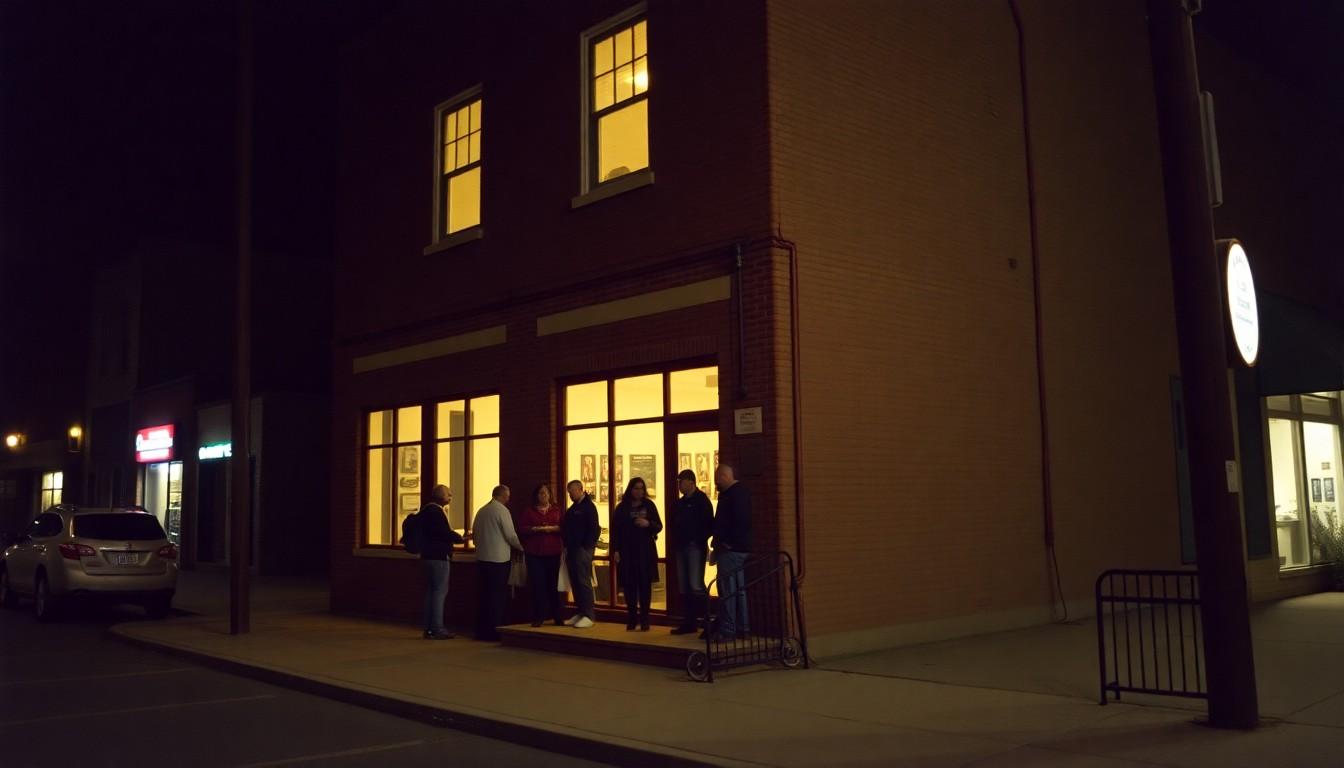
A lively queer night across St Louis's Delmar Loop becomes a reminder that friendship, local venues and showing up for one another can matter more than polished online lives. From nostalgic landmarks to dinner, dancing and future supper clubs, this is a warm portrait of finding connection in the city.
Essential Takeaways
- The Delmar Loop still has stories: Music venues, restaurants and familiar landmarks remain woven into local memories.
- Community beats scrolling: In-person gatherings can turn strangers into friends, especially for people feeling isolated.
- Food and dancing set the mood: A shared meal, mint tea and a little movement create an easy route into conversation.
- Boundaries are part of healing: Caring for others doesn't mean carrying every problem yourself.
- New events are taking shape: Supper nights, storytelling, book clubs and singles meetups aim to build low-pressure connection.
The Delmar Loop feels different when you're showing someone around
There’s a particular kind of joy in arriving at St Louis’s Delmar Loop with a truckload of friends and a head full of memories. The evening begins with practical comedy, as shorter passengers tackle the climb into a very large vehicle, before the group heads towards the bright, busy strip.
The Loop has changed, as neighbourhoods do. Some much-loved businesses have disappeared, while newer restaurants and attractions have taken their place. Visit the Loop describes the area as a destination for businesses, dining and entertainment, and that mix still gives the district its pull. [5]
For anyone returning after the quieter years of the pandemic, a lively pavement can feel like a small civic victory. The noise, the lights and the passing crowds say that the city is moving again. Even a parking meter or oversized sushi sign can become part of the night's entertainment.
Old venues, big memories and the music that stays
The route is packed with personal landmarks. U City Grill, remembered fondly as a Korean diner, represents the sort of independent spot that becomes inseparable from a neighbourhood's identity. Customer reviews on Tripadvisor reflect the affection people continue to hold for the restaurant and its food. [3]
Music adds another layer. Blueberry Hill remains one of the Loop's best-known institutions, while its long-running presence helps explain why the area has such a strong association with live performance and late-night stories. [6] There are also memories of smaller, scruffier rooms where the atmosphere mattered as much as the acoustics.
That was the magic of older nightlife: imperfect spaces, memorable performers and audiences packed close enough to share the same emotional weather. A leaking ceiling or tired basement could hardly compete with the feeling of hearing a song that seemed to understand you.
Why queer community spaces matter beyond a night out
A salon, restaurant or supper club can become much more than its official purpose. In the story, a lesbian hairdresser's chair becomes a place for gossip, reassurance, laughter and the sort of informal support that rarely fits neatly into a calendar.
That kind of gathering matters because queer life isn't only about nightlife or dating. It's also about being recognised without having to explain every part of yourself. A shared meal can offer a softer entry point than a loud bar, particularly for people who are shy, newly single or rebuilding their social circle.
The Palomino Lounge's presence in St Louis's nightlife landscape is another reminder that welcoming venues help shape how communities meet and celebrate. [2] The best spaces don't demand a performance. They let people arrive as they are, order something good and gradually find their people.
Dinner, dancing and the case for low-pressure connection
The evening's restaurant stop brings together several reliable ingredients for a good group outing: food, spectacle and a reason to laugh. Hummus, chicken shawarma and fresh mint tea provide the comfort, while a belly-dancing lesson gets everyone involved without turning the night into a formal activity.
That balance is useful when you're organising a queer social event. A meal gives people something to do with their hands, an activity prevents awkward silences and a shared joke can break down barriers quickly. Nobody needs to arrive with a perfect introduction or a fully formed social plan.
For organisers, the practical lesson is simple. Choose an accessible venue, make the first activity optional and explain whether people can come alone. A clear invitation can be the difference between an event that looks appealing online and one that people actually feel comfortable attending.
Showing up also means protecting your peace
The more reflective part of the night turns towards boundaries, therapy and the difficult work of no longer rescuing everyone else. That isn't a rejection of community. In fact, it can make community healthier, because support works better when it isn't built on exhaustion.
Social media can make connection look abundant while leaving people feeling strangely alone. A photograph may show the dinner, but not the difficult week beforehand or the friend who quietly made it possible to get out of the house. Real friendship is less polished and usually more useful.
So the future described here is pleasingly ordinary: supper nights, walks, coffee, thrift shops, book clubs and the occasional dubious online purchase. Those plans may not sound dramatic, but they create repeated opportunities to recognise one another. St Louis Magazine has similarly presented the Loop as a weekend destination where food, entertainment and local character sit side by side. [7]
A brighter route through St Louis
The most hopeful idea is that belonging can be built deliberately. You don't need to wait for a perfect friendship group or a life-changing invitation. You can start with one event, one conversation and the decision to return.
For readers looking for lesbian social events in St Louis, low-pressure gatherings focused on friendship and hobbies may be more inviting than dating-centred meetups. Come by yourself, choose a small goal and give the evening time to unfold. Your future friends may be standing near the snacks, laughing at the same terrible joke.
The rear-view mirror still has value, especially when it holds people and places that shaped you. But it doesn't have to steer. Sometimes the healthiest next chapter begins with a full passenger seat, a packed calendar and enough room for someone new.
It's a small, joyful act of community: show up, share a meal and leave with a few more names in your phone.
Source Reference Map
Story idea inspired by: [1]
Sources by paragraph: