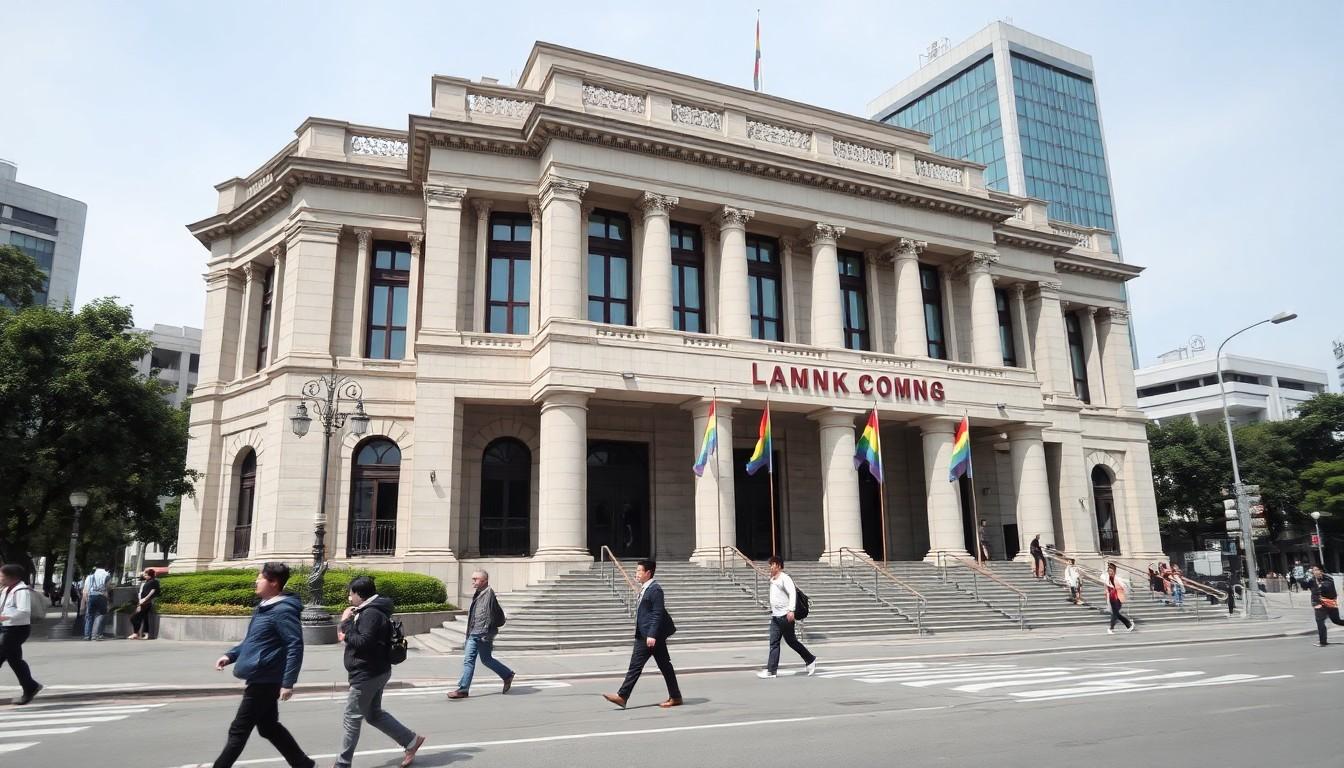
Travellers and campaigners are drawing a sharp line between Paris Pride and a disputed police raid at a Taipei gay bar. The contrast highlights a wider question for LGBTQ+ communities everywhere: can public authorities protect safety without turning identity, intimacy or adult consensual behaviour into reasons for suspicion?
Essential Takeaways
- Two cities, two messages: Paris Pride presented LGBTQ+ visibility as part of civic life, while the Taipei incident triggered accusations of discriminatory policing.
- Safety needs trust: A police presence can protect venues, but heavy-handed or poorly explained enforcement may discourage people from seeking help.
- Consent matters: Adult identity, nudity or BDSM practices aren't evidence of sexual violence without further facts showing coercion, exploitation or abuse.
- Oversight is crucial: Body-camera footage, duty records and independent investigations can test whether officers acted lawfully and proportionately.
- Training can help: Specialist LGBTQ+ liaison officers and anti-discrimination education may improve communication, but responsibility must remain organisation-wide.
Paris Pride offered a vivid picture of public belonging
Paris was already in festive colour when the city's Pride march took place in early October. Rainbow flags appeared alongside national symbols, while people from different generations, backgrounds and styles moved through streets that have also carried memories of protest and repression. It was exuberant, noisy and visibly public, with the city making room for LGBTQ+ citizens rather than asking them to disappear.
The event followed a summer postponement linked to extreme heat, according to the ParisBougе event listing. That practical detail says something important about modern Pride: it relies not only on protest and celebration, but also on transport planning, public services and cooperation with local authorities.
For visitors, the symbolism was hard to miss. A march passing government buildings turns public space into a living argument about citizenship. It says that people once monitored or excluded from civic life are entitled to occupy the same streets, openly and without apology.
The Taipei dispute has raised a different question
Reports from Taiwan described protests after an alleged police raid at Commander D, a Taipei gay bar. TaiwanPlus reported that critics accused officers of misconduct, while other coverage focused on claims of discriminatory treatment and concerns about how the operation affected patrons and the venue.
The controversy matters because a bar isn't merely a place where drinks are served. For many LGBTQ+ people, it can be a social network, a refuge and one of the few settings where meeting others feels uncomplicated. That makes the manner of policing especially significant: an action that appears routine to officials may feel exposing or threatening to people with long memories of stigma.
Taipei Times coverage also showed the dispute moving beyond individual conduct towards questions about institutional responsibility. Was the operation properly authorised? Were the methods proportionate? Were people informed of the reasons for intervention, and can those reasons be independently checked?
Policing should protect people without policing identity
There is a straightforward distinction at the centre of the debate. Authorities should investigate sexual violence, coercion, exploitation and abuse, particularly where children or vulnerable adults are involved. But LGBTQ+ identity, adult nudity or consensual BDSM practices aren't, by themselves, proof that a crime has occurred.
That distinction can be difficult in practice, especially when officers encounter unfamiliar spaces or communities. Yet uncertainty isn't a licence for humiliation, blanket suspicion or unnecessary exposure. A fast-moving investigation still needs clear legal grounds, respectful communication and safeguards for privacy.
Metro Weekly and GCN both reported wider concern among LGBTQ+ advocates about the raid and its implications. Their coverage reflects a familiar fear: if visiting a queer venue might lead to public exposure or rough treatment, people may stop attending, stop reporting harm or avoid the police altogether. That's the opposite of effective safeguarding.
Independent scrutiny turns promises into evidence
The most useful reforms are often less dramatic than a public apology. They include preserving body-camera recordings, publishing clear operational rules, tracking repeat inspections and ensuring complaints are assessed outside the chain of command involved.
France offers possible reference points. LGBTQ+ police liaison work and specialist training have been developed with advocacy groups, while the Défenseur des droits can examine discrimination and public-service conduct. These arrangements aren't magic fixes, but they create more ways to ask difficult questions and follow up when answers are unsatisfactory.
Taipei's case also underlines why training must go beyond a single diversity seminar. Officers need practical guidance on privacy, de-escalation, LGBTQ+ venues, disability and consensual adult practices. Just as importantly, supervisors must check whether targets, instructions or workplace culture are encouraging disproportionate interventions.
Public trust is the real test
The central issue isn't whether authorities can ever enter a bar or investigate suspected wrongdoing. They can, when the law allows it. The issue is whether their reasons are specific, evidence-based and open to challenge, and whether the process avoids creating fresh harm.
Taipei Times reporting on the aftermath pointed towards demands for external participation, anti-discrimination mechanisms and a review of relevant rules. Those are sensible questions because accountability shouldn't depend on the public accepting official assurances at face value.
Paris Pride offered one image of LGBTQ+ people moving through a city as equal participants. The Taipei controversy offered another, more unsettling image of what happens when public power is experienced as suspicion. A fair society needs both celebration and scrutiny, because rights are safest when people can be visible, heard and protected at the same time.
It's a small distinction in theory, but a profound one in everyday life: safety should never require surrendering dignity.
Source Reference Map
Story idea inspired by: [1]
Sources by paragraph:
- Paragraph 1: [2], [3]
- Paragraph 2: [2]
- Paragraph 3: [4], [5]
- Paragraph 4: [3], [6]
- Paragraph 5: [4], [7]
- Paragraph 6: [5], [6]
- Paragraph 7: [7]
- Paragraph 8: [4], [5]
- Paragraph 9: [6], [7]
- Paragraph 10: [4], [5]
- Paragraph 11: [3], [6]
- Paragraph 12: [4], [5]
- Paragraph 13: [3], [7]
- Paragraph 14: [2], [4]
- Paragraph 15: [5], [6]
- Paragraph 16: [3], [7]