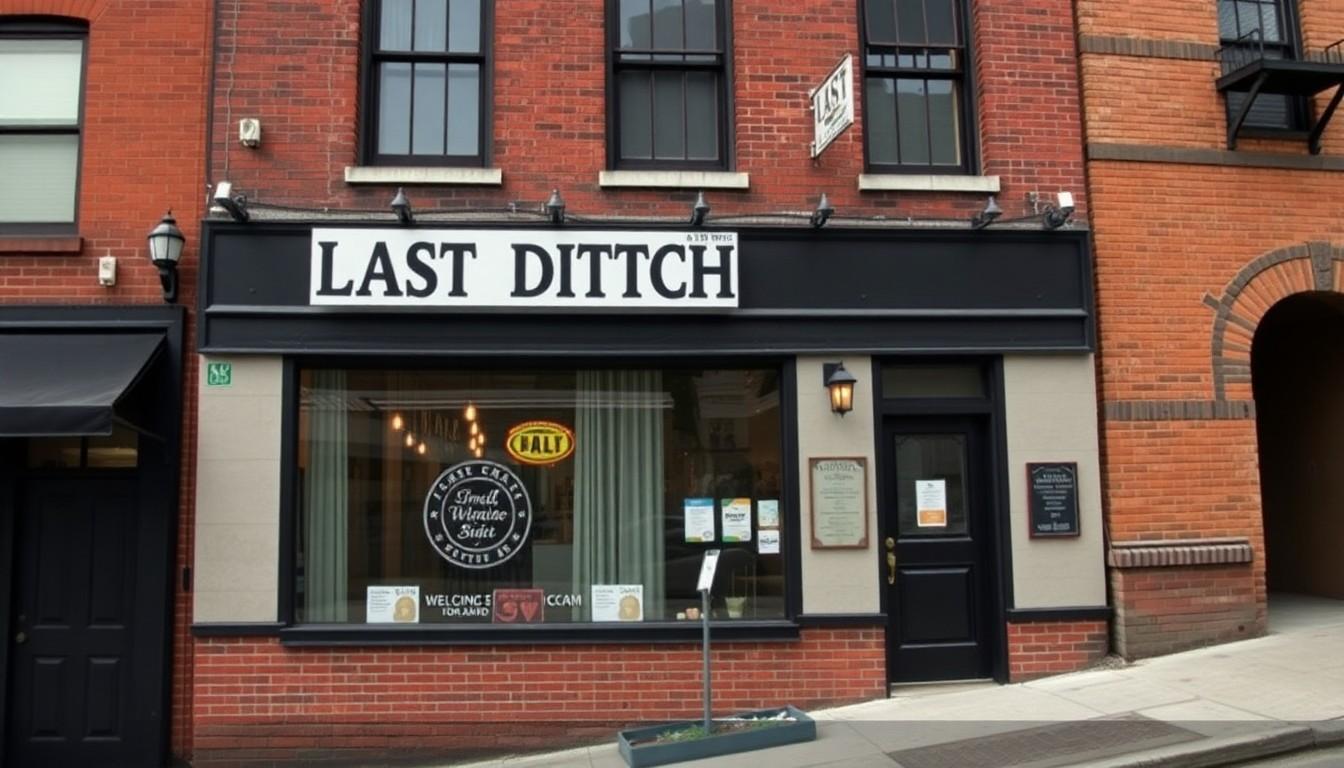
A viral dispute over Last Ditch, a struggling lesbian bar in Greenfield, has exposed a wider question: what happens when the few places designed to feel safe for immunocompromised and disabled people become financially impossible to maintain?
The Last Ditch row was never just about one night
The controversy began when Last Ditch, a lesbian bar in Greenfield, suspended its mask policy for one evening a week as its owner struggled with mounting costs. The decision prompted an angry response from some former patrons, while the wider internet quickly turned the dispute into entertainment.
Coverage of the bar’s backlash shows how quickly a local disagreement can become a national online spectacle. Details about the venue, its people and the personalities involved travelled widely, often pushing the central issue - access - to the margins.
For immunocompromised customers, however, masking isn't a symbolic gesture. It can determine whether a night out is realistic at all.
A rare social space became a lifeline
Bars, cafes and clubs are often treated as casual luxuries. But for people who are disabled, chronically ill or vulnerable to infection, an inclusive venue can provide something much more important: ordinary social life without having to calculate every breath.
The reporting around Last Ditch placed the bar within a broader conversation about community, identity and who gets to participate in public life. Its mask policy had helped some customers feel that they could enter a lively venue without abandoning their health precautions.
That kind of reassurance is easy to overlook if your own body usually cooperates. A temporary injury can offer a glimpse of how quickly familiar streets, doorways and social spaces become obstacles, but many people don't get to return to an easier version of life.
The financial pressure behind inclusive venues
Keeping a small bar open is expensive even before a business adds extra cleaning, ventilation or staffing measures. Last Ditch's owner was reportedly working multiple jobs while trying to keep the venue afloat, making the dispute less like a simple choice between compassion and convenience.
The backlash highlighted a frustrating gap between public expectations and economic reality. Customers wanted a reliable refuge, but the person providing it was carrying the cost of making that refuge possible.
That tension isn't unique to one lesbian bar. Across hospitality, independent venues are expected to be affordable, welcoming and socially responsible, even as rent, wages, utilities and insurance continue to bite. The result is often a fragile form of inclusion that depends on one exhausted owner.
Why mocking masks misses the point
Online reactions focused heavily on personalities and cultural conflict, allowing people to treat masking as a punchline or a marker of political identity. That framing may be entertaining, but it obscures the people who face genuine medical consequences when precautions disappear.
Recent coverage also showed how the story became a convenient battleground for wider arguments between progressives, conservatives and different parts of the LGBTQ+ community. Yet the most vulnerable customers had the least control over the conversation.
A mask-friendly venue doesn't need to be perfect to matter. It simply needs to acknowledge that not everyone can rely on vaccination, one-way masking or luck to stay safe in a crowded room.
What would a fairer solution look like?
The practical answer can't rest entirely on small businesses. Cleaner indoor air, stronger public-health guidance and community funding could help venues offer safer nights without placing every cost on an owner already close to the edge.
Customers can also ask useful questions before visiting: Is the policy still active? Are masks required throughout the venue? Is there ventilation information? Are there quieter periods or outdoor options? Clear answers are more helpful than last-minute outrage.
Most importantly, the discussion needs to move from blame to shared responsibility. People who need precautions deserve more than one sympathetic venue, while the people running those venues deserve support rather than ridicule.
A Saturday night out should not be a privilege reserved for those whose bodies can tolerate every risk. For some customers, a mask-friendly bar was simply a chance to feel normal.
It's a small distinction, but it changes the whole story.
Source Reference Map
Story idea inspired by: [1]
Sources by paragraph: