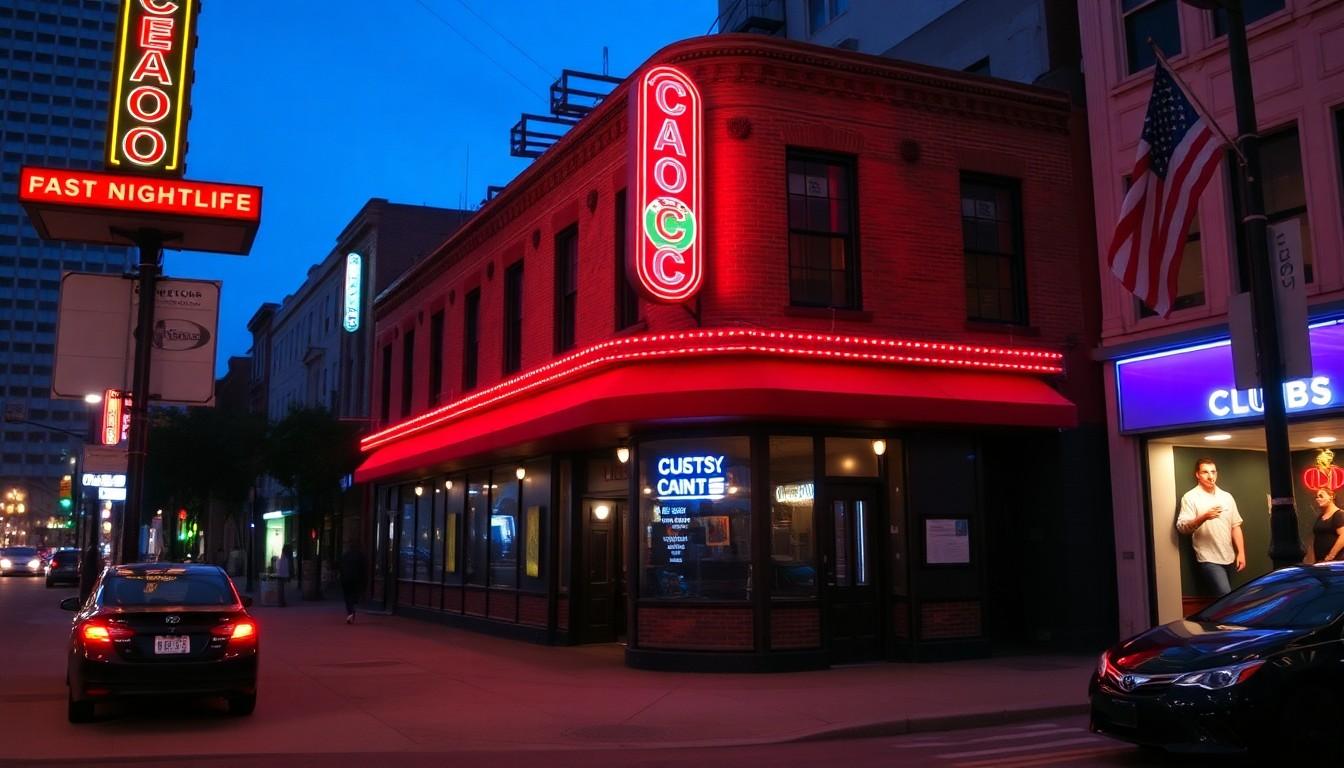
Young people are questioning whether modern club culture still feels welcoming, especially when unwanted attention, crowding and status-seeking behaviour dominate the night. From queer-founded dance spaces to today’s packed venues, the debate matters because a good night out should feel social and liberating, not like a test of personal safety.
Essential Takeaways
- Clubs have deep roots: Many dance spaces grew from queer and marginalised communities seeking freedom, connection and safety.
- Unwanted contact remains common: Research and reporting link nightlife with groping, harassment and sexual aggression.
- Status can shape the room: VIP areas, tables and visibility often turn dancing into a performance of wealth or dominance.
- Marketing affects the atmosphere: Women can be treated as crowd-drawing decoration rather than equal participants.
- Safer venues need action: Clear consent policies, trained staff and effective reporting systems matter more than flashy interiors.
The club was meant to be a refuge
The modern nightclub can be noisy, sweaty and gloriously chaotic, but its deeper story is more meaningful than sticky floors and expensive drinks. According to the Victoria and Albert Museum, many club cultures developed through queer communities creating spaces for self-expression, solidarity and experimentation.
That history matters because nightlife wasn't simply invented as a showroom for status. Ballroom culture, for instance, offered marginalised people a place to perform identity, find community and celebrate one another. The Human Rights Campaign describes ballroom as a vital part of Black and Latinx LGBTQ+ history, with its influence still visible in music, fashion and popular culture.
Today, many venues still carry that promise. But the atmosphere can feel very different when people arrive expecting access to bodies, attention or social prestige rather than shared enjoyment.
When attention starts to feel like entitlement
Being noticed isn't automatically a problem. The trouble begins when attention becomes pressure, staring or unwanted touch. Reporting by SBS Voices explores why some men grope women in nightclubs despite understanding that the behaviour is wrong, pointing to peer pressure, entitlement and distorted ideas about sexual access.
A nightclub's crowded setting can make this worse. Loud music and low lighting may create anonymity, while alcohol can lower inhibitions without removing responsibility. Live Science has reported on research connecting nightlife environments with sexual aggression, including the way crowded bars can enable boundary-crossing behaviour.
For people on the receiving end, the experience can be unsettling rather than flattering. A night designed around music and friendship suddenly becomes an exercise in monitoring who is standing too close.
Why the crowd can feel like a competition
Modern clubbing often sells status as much as sound. Reserved tables, bottle service, queues and carefully managed entrances can turn the room into a hierarchy, where being seen in the right place matters almost as much as enjoying the music.
A qualitative study of Philadelphia nightlife, published through the National Institute of Justice, examined the relationship between clubbing, masculinities and crime. Its focus reflects a wider concern: some men may treat nightlife as a stage for proving confidence, dominance or social rank to other men.
That can change how space is used. A dance floor becomes a place to pose, a raised platform becomes a prize, and other people are treated as obstacles. It isn't exactly the carefree image clubs like to market, and your outfit or height shouldn't determine who gets to occupy the room.
Women aren't part of the decor
Promoters often rely on women to create a lively-looking crowd, while men are encouraged to spend on drinks, tables and entry. That model can leave women feeling as though they're being recruited for atmosphere rather than welcomed as customers in their own right.
The imbalance becomes sharper when a drink or invitation is treated as a transaction. A purchase doesn't create a debt, and accepting a kind gesture doesn't promise conversation, a phone number or anything physical. Glamour's reporting on groping has similarly highlighted how common unwanted contact can be, even when those targeted are expected to treat it as part of a night out.
A healthier venue culture would make consent ordinary, not awkward. Staff should intervene early, friends should believe one another, and guests should understand that access to a crowded room is never access to another person.
What safer nightlife could look like
The best clubs don't need to become stiff or joyless. They need practical systems that protect the freedom people came for. Visible codes of conduct, properly trained security, easy reporting routes and swift responses to harassment can make a genuine difference.
Guests can help, too. Go out with people you trust, agree on a meeting point, keep an eye on anyone who seems uncomfortable and avoid assuming that silence means consent. If someone is blocking a path, pushing through a crowd or touching people without permission, calling it out safely is better than treating it as inevitable.
Club culture isn't necessarily dead. It may simply be overdue for a reset, one that remembers why these spaces mattered in the first place. As one human reflection, the best night out is still the one where everyone can lose themselves in the music without losing control of their own boundaries.
It's time for nightlife to make room for freedom, not entitlement.
Source Reference Map
Story idea inspired by: [1]
Sources by paragraph:
- Paragraph 1: [2], [5]
- Paragraph 2: [3], [4]
- Paragraph 3: [7]
- Paragraph 4: [6], [4]
- Paragraph 5: [2], [5]
- Paragraph 6: [7]
- Paragraph 7: [3], [4]
- Paragraph 8: [6]
- Paragraph 9: [7]
- Paragraph 10: [2], [5]
- Paragraph 11: [3], [4]
- Paragraph 12: [6], [7]
- Paragraph 13: [2], [3]
- Paragraph 14: [4], [7]
- Paragraph 15: [2], [5]
- Paragraph 16: [3], [6]
- Paragraph 17: [4], [7]
- Paragraph 18: [2], [3]
- Paragraph 19: [4], [6]
- Paragraph 20: [2], [5]