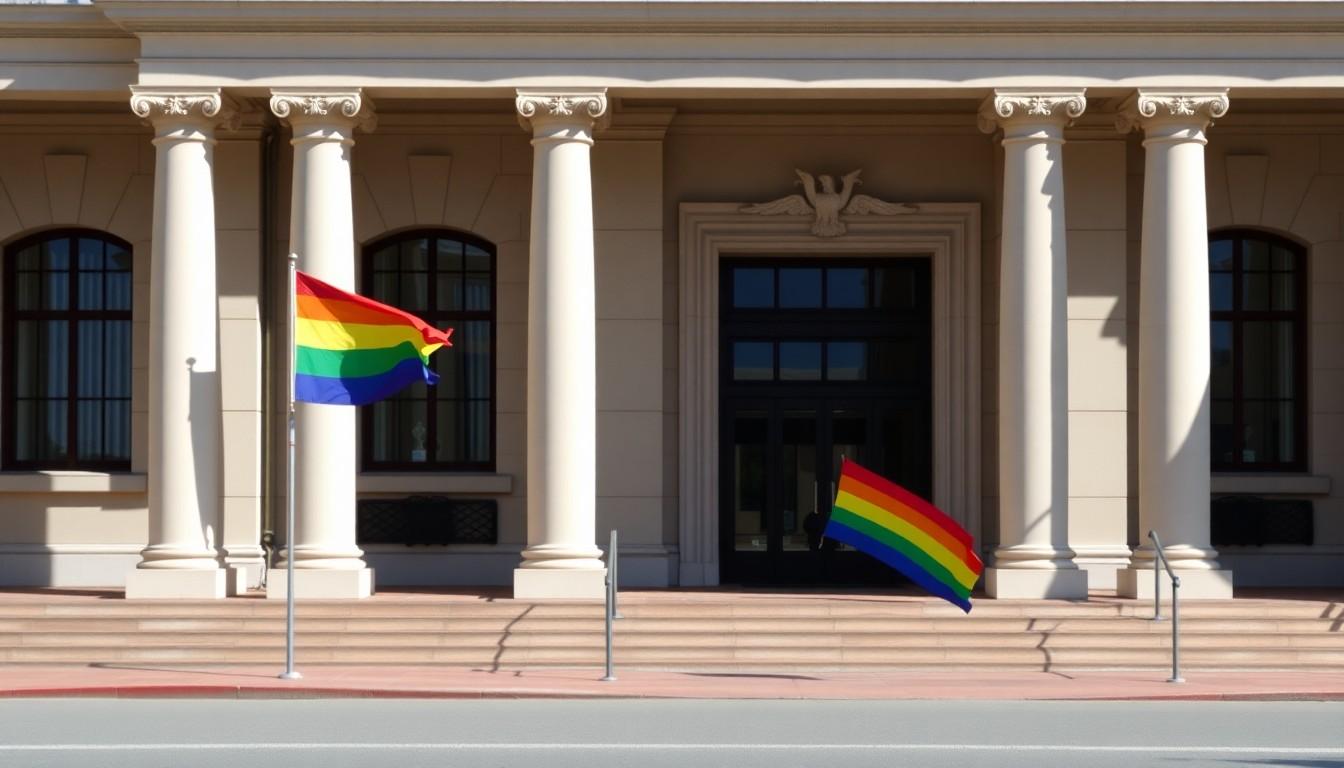
Tasmanian MPs are preparing to debate a long-awaited conversion practices ban, after research linked these interventions with serious harm among LGBTQIA+ people. The Greens’ bill has Labor’s backing and support from advocates, while Liberal MPs will receive a conscience vote. Here’s what the proposed law would cover, how it could work and why the debate matters.
Essential Takeaways
- The proposal: Tasmania’s Greens have introduced a bill banning practices intended to change, suppress or eradicate someone’s sexual orientation or gender identity.
- Consent wouldn’t be a defence: The proposed law would apply even if the person agreed to the practice.
- Some conversations remain lawful: Religious expression, public debate, parenting discussions and genuine identity exploration by health professionals wouldn’t automatically be prohibited.
- Serious harm matters: Intentional practices causing injury could become criminal offences, with tougher consequences where children or people with impaired decision-making are involved.
- The numbers look favourable: Labor and the Greens have enough support to be close to passing the bill in the lower house, provided amendments don’t derail it.
Why Tasmania is revisiting the issue now
The proposed Tasmania conversion practices ban is the result of years of political pressure rather than a sudden flash of legislation. A 2022 Tasmanian Law Reform Institute review found that the practices were still occurring and urged action to reduce their risks and harms, according to ABC News.
That matters because these interventions can be quiet, private and difficult to identify from the outside. They may be presented as counselling, prayer or support, while the underlying aim is to push someone away from an aspect of their identity. For a person already feeling isolated, that can turn a vulnerable moment into something much darker.
Research by La Trobe and Macquarie universities found that one in 20 young LGBTQIA+ Tasmanians reported experiencing conversion practices. ABC News reported that those people were substantially more likely to have PTSD diagnoses or to attempt suicide, underlining why advocates see the legislation as a health and safety measure rather than simply a culture-war issue.
What would count as a conversion practice?
The bill focuses on intention and direction. A practice would need to be aimed at a particular person, with the purpose of changing, suppressing or eradicating their sexual orientation or gender identity. Whether the person consented would not decide the issue.
That distinction is central. The proposed framework isn't designed to ban someone from asking questions, reflecting on their identity or changing their mind about personal matters. It targets conduct that seeks to steer another person towards a prescribed identity outcome.
The draft also includes exemptions for registered health practitioners acting appropriately within professional, legal and ethical standards. Health professionals could discuss identity, transition, detransition or related decisions, provided they weren't directing the person towards a predetermined result, according to ABC News and a briefing from the Christian Schools Australia network.
What wouldn't be banned?
The proposal doesn't make ordinary religious belief unlawful. People could express faith-based views, discuss religious teachings and take part in public debate. Prayer or a statement of principle would not, by itself, become a conversion practice.
Parents would also remain able to talk with their children about sexuality, gender identity, sexual activity and religion. The important question would be whether a particular interaction crosses into an intentional practice aimed at changing, suppressing or erasing the child's identity.
That boundary is likely to attract close attention during debate. Earlier criticism of the Tasmanian government's draft legislation showed how quickly concerns about religious freedom, family conversations and clinical autonomy can become tangled. The Greens' bill was shaped partly by lessons from other states and by recommendations from the law reform review, ABC News reported.
When could it become a criminal offence?
The most serious proposed offences would involve intentional conversion practices that cause injury. If the recipient were a child or someone with impaired decision-making ability, that would make the offence more serious.
The bill would also address conduct around the practice itself. Taking someone from Tasmania to another jurisdiction for conversion practices would be prohibited, as would advertising services that promote them. That gives the legislation a wider reach than a simple ban on a single session or organisation.
Lower-level matters could be dealt with through Tasmania's civil and administrative systems. More serious cases would go through the criminal courts and could carry imprisonment if a person were convicted, according to ABC News. In practice, the evidence and threshold for proving intent are likely to be crucial.
How would complaints be handled?
The bill would create a statutory conversion practices commissioner, with the state's anti-discrimination commissioner taking on the role. The office would be responsible for education, prevention and responses to reported conduct.
A person could report an alleged practice, after which the commissioner would decide whether to investigate. Possible responses include taking no further action, issuing a compliance notice or accepting an enforceable undertaking that sets out what the respondent must or must not do.
The proposed system also allows frivolous or vexatious complaints to be screened out. That safeguard reflects experience elsewhere and is intended to keep the process focused on credible allegations rather than turning ordinary disagreement into a formal case, according to ABC News.
Could Tasmania finally join the rest?
Victoria, New South Wales, Queensland, South Australia and the Australian Capital Territory already have bans or equivalent laws. Tasmania is therefore among the last Australian jurisdictions to legislate in this area, despite previous indications from the Liberal government that it wanted conversion practices ended.
The political arithmetic now looks encouraging. The Greens hold four lower-house votes and Labor has 10, while independent Kristie Johnston has confirmed her support. Other independents have indicated support in principle, and Liberal MP Bridget Archer is understood to be likely to vote for the bill, ABC News reported.
Amendments are still possible, and they could change the final shape of the legislation. But after a decade of campaigning, Tasmania's debate appears to be moving from whether a ban should exist to how carefully it should be written. For advocates, that is progress, even if the wording still matters enormously.
A clear law could offer protection where private pressure has long been hard to see.
Source Reference Map
Story idea inspired by: [1]
Sources by paragraph:
- Paragraph 1: [2], [4]
- Paragraph 2: [2], [3]
- Paragraph 3: [2], [5]
- Paragraph 4: [2], [6]
- Paragraph 5: [2], [4]
- Paragraph 6: [2], [5]
- Paragraph 7: [2], [6]
- Paragraph 8: [2], [4]
- Paragraph 9: [2], [5]
- Paragraph 10: [2], [6]
- Paragraph 11: [2], [7]
- Paragraph 12: [2], [3]
- Paragraph 13: [2], [4]
- Paragraph 14: [2], [5]
- Paragraph 15: [2], [7]
- Paragraph 16: [2], [3]