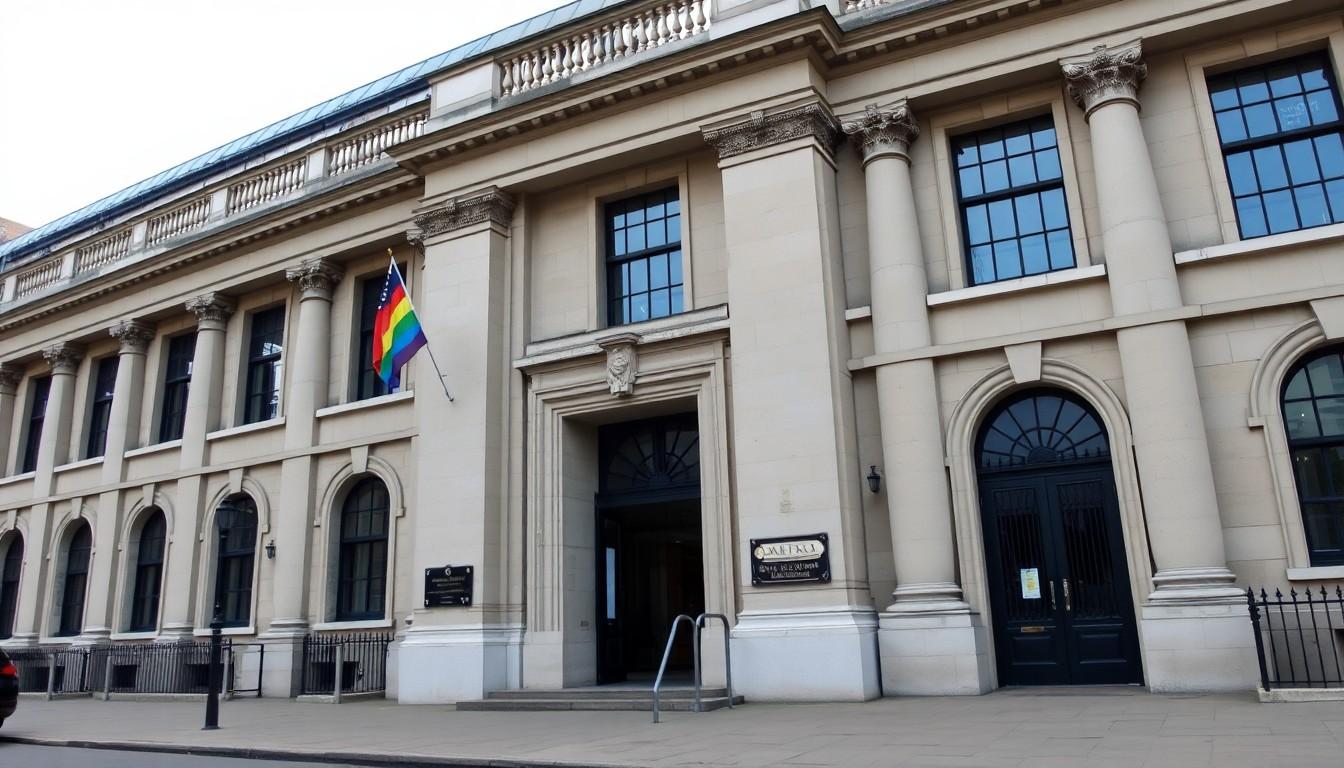
Campaigners and critics are warning that Labour’s proposed conversion practices bill could reach far beyond abusive conduct, with its wording potentially affecting faith, family conversations and personal advice. As debate intensifies across Britain, the central question is how policymakers can protect vulnerable people without making ordinary disagreement legally risky.
Essential Takeaways
- Broad wording: Critics say the draft definition could cover a wide range of conversations about sexual orientation or gender identity.
- Free speech concern: Religious teaching, pastoral support and private family advice are at the heart of the dispute.
- Two-part test: The proposed framework reportedly distinguishes between a conversion practice and whether it is abusive.
- Political pressure: Campaigners on both sides have criticised the government’s handling of the legislation.
- Practical question: Clear safeguards will matter if the bill is to target coercion without chilling legitimate discussion.
Why the bill is causing such a stir
The strongest criticism is aimed not at the principle of protecting people from coercion, but at the language being used to define the conduct itself. Critics argue that the draft bill is written broadly enough to capture conversations whose purpose is advice, persuasion or moral guidance rather than abuse.
That distinction matters in everyday life. A parent, pastor, counsellor or friend may encourage someone to reconsider a behaviour or belief without using threats, manipulation or violence. The controversy is over whether such conversations could still be treated as part of a prohibited practice.
The Guardian has reported that campaigners view delays and uncertainty around the legislation as damaging, while opponents see the same uncertainty as evidence that the proposal needs much more careful scrutiny before it becomes law.
Faith groups fear ordinary pastoral conversations could be swept in
Religious organisations have been particularly alert to the bill's potential reach. Prayer, teaching and one-to-one pastoral conversations often involve questions of identity, relationships and conduct, so faith leaders want reassurance that these activities won't automatically be treated as unlawful.
The concern isn't limited to churches. Similar questions could arise in schools, counselling rooms and families, where people may hold strongly different views about sex, gender and personal responsibility. A law intended to stop abuse could lose public confidence if people feel unable to discuss sensitive subjects honestly.
CARE has highlighted the government's commitment to introduce a conversion therapy ban in the King's Speech, adding to pressure on ministers to explain how the proposed law will work in practice. The details, rather than the slogan, are likely to decide whether the policy is seen as protection or overreach.
The key distinction is coercion, not disagreement
Supporters of a ban argue that people should be protected from practices designed to intimidate, control or force them to change. That's a serious aim, and few would defend abuse disguised as counselling or spiritual care.
Critics, however, say the bill risks confusing coercive treatment with ordinary influence. Telling someone that a relationship is unhealthy, advising them to stop harmful behaviour or expressing a religious conviction isn't automatically abusive. The legal test needs to reflect that difference clearly.
LabourList has described the draft proposal as unnecessary and illiberal, while other commentators have questioned whether existing offences could deal with genuinely abusive conduct. That debate is important because a new offence shouldn't create uncertainty without offering a clear improvement for victims.
Why the wording matters for families and professionals
Vague laws tend to create caution well before anyone enters a courtroom. Teachers, doctors, social workers and ministers may avoid difficult conversations simply because they can't be sure where the boundary lies. Families could feel the same pressure, particularly when a young person is exploring identity and adults are trying to offer guidance.
This doesn't mean every conversation is harmless. A power imbalance, repeated pressure or humiliating treatment can turn advice into something far more troubling. But those facts need to be assessed rather than assumed from the subject matter alone.
For readers trying to understand the proposal, the useful questions are simple: Was there coercion? Was the person vulnerable? Was there a threat or punishment? Could they freely disagree or leave? Those practical tests are more informative than labels applied to an entire category of conversation.
A difficult balance for ministers
The government faces pressure from campaigners who want firm action, as well as religious and civil liberties groups who fear a broad offence. The argument has already become politically charged, with some critics portraying the bill as part of a wider culture-war agenda rather than a narrowly drafted safeguarding measure.
The Spectator has warned that the proposal could be dangerous, while ITV previously reported Labour calls for a ban and criticism of government delay. Taken together, the coverage shows why ministers will need to publish clear examples, protections and guidance before asking Parliament to approve the final wording.
Most people can agree that coercive attempts to control another person's identity or relationships have no place in modern Britain. The harder task is protecting that principle without turning disagreement, prayer or family advice into a legal minefield.
A carefully defined ban could protect people. A vague one could leave everyone guessing.
Source Reference Map
Story idea inspired by: [1]
Sources by paragraph:
- Paragraph 1: [2], [4]
- Paragraph 2: [3], [5]
- Paragraph 3: [6], [7]
- Paragraph 4: [2], [3]
- Paragraph 5: [4], [5]
- Paragraph 6: [6], [7]
- Paragraph 7: [2], [4]
- Paragraph 8: [3], [5]
- Paragraph 9: [6], [7]
- Paragraph 10: [2], [3]
- Paragraph 11: [4], [5]
- Paragraph 12: [6], [7]
- Paragraph 13: [2], [3]
- Paragraph 14: [4], [5]
- Paragraph 15: [6], [7]
- Paragraph 16: [2], [4]
- Paragraph 17: [3], [5]
- Paragraph 18: [6], [7]
- Paragraph 19: [2], [3]
- Paragraph 20: [4], [5]
- Paragraph 21: [6], [7]