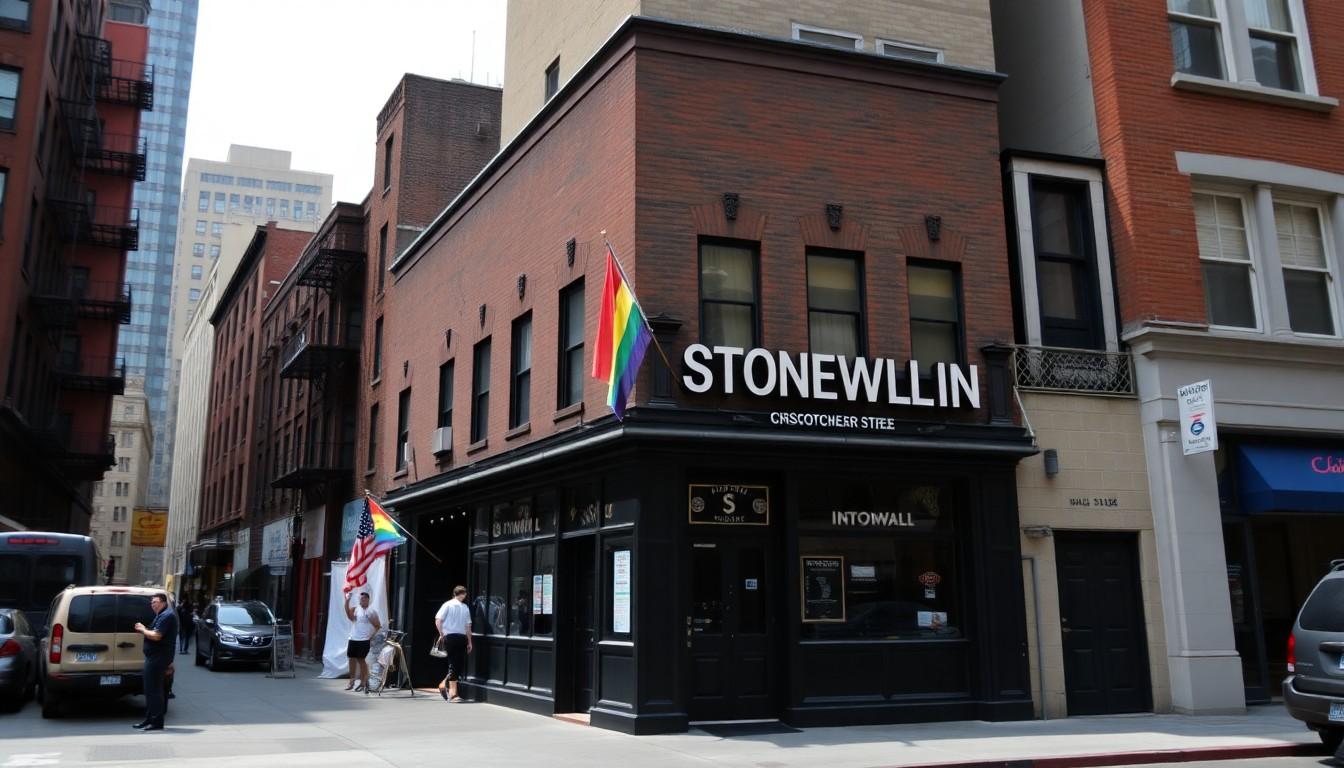
Visitors worldwide can now step inside a carefully reconstructed 1969 Stonewall Inn through an online 3D model, offering a vivid new way to understand the bar, its layout and the streets surrounding the uprising that reshaped LGBTQ+ history.
Essential Takeaways
- A historic first: The digital model recreates the Stonewall Inn as it appeared in 1969.
- Built from evidence: Researchers used photographs, oral histories and archival plans.
- Explore from anywhere: The experience works on a phone or computer with an internet connection.
- More than a building: The model shows how the bar related to Christopher Park and the surrounding monument.
- History under pressure: Preservationists say accurate, inclusive interpretation remains essential.
Step inside Stonewall’s past
The new digital 3D model of Stonewall Inn does something a traditional photograph can't quite manage. It lets visitors move through the building, from Christopher Street into the bar's narrow passageways, past the long counter and towards the dance floor.
According to the NYC LGBTQ Historic Sites Project, the reconstruction is based on period photographs, oral histories and archival floor plans. The result feels less like a static museum display and more like a quiet digital walk through a place that has become central to modern LGBTQ+ history.
That sense of physical space matters. The Stonewall uprising unfolded around a real building, with real entrances, blind spots and gathering points. Seeing the layout helps explain how people moved through the venue and spilled into the streets outside.
What the 1969 reconstruction reveals
The model covers the historic properties at 51 and 53 Christopher Street. Today, those addresses include the Stonewall National Monument Visitor Center and the Stonewall bar, but the digital reconstruction takes users back to the building's appearance before the uprising.
Visitors can examine the original facade, enter through controlled access points and see how the interior was divided into public and more private areas. The arrangement also illustrates how the Mafia's involvement shaped the venue, including who could enter and what could be seen from outside.
The digital tour includes details such as the jukebox and dance floor, small touches that make the history feel tangible. As the NYC LGBTQ Historic Sites Project has shown through earlier digital work, even a virtual visit can add useful texture to stories that are often reduced to dates and slogans.
Why the surrounding streets matter
Stonewall wasn't an isolated room. The model places the Inn within the boundaries of Stonewall National Monument and shows its position opposite Christopher Park, where crowds gathered during several nights of unrest.
That wider view gives the experience its real strength. Users can understand the relationship between the bar, the park and the surrounding streets rather than treating the uprising as something that happened behind closed doors.
It also makes the resource accessible to people who may never visit New York. The project follows a broader push by LGBTQ+ historians to use maps, tours and digital archives to make overlooked places easier to discover and understand.
A useful tool when interpretation is contested
The launch arrives amid renewed concern over how Stonewall's history is presented. Reporting highlighted by Hyperallergic and the Associated Press placed Stonewall National Monument among sites facing threats to inclusive interpretation and educational value.
Those concerns include changes to official materials and disputes over whether the full range of LGBTQ+ participation, including transgender people's role, is properly acknowledged. Although the Pride flag was restored after legal action, preservationists have warned that digital and physical interpretation can still leave important parts of the story out.
That makes the 3D model more than a clever online attraction. It creates an independently researched record of the building and its context, preserving details that are difficult to recover once they disappear.
How to explore the model thoughtfully
For the best experience, use a larger screen if you can, although the model is designed to work on phones and computers. Move slowly through the entrance, pause around the bar and compare the interior with the surrounding streetscape.
It helps to treat the tour as a companion to oral history rather than a replacement for it. The Making Gay History project connects the physical setting with first-person accounts, allowing visitors to pair what they see with the voices of people who experienced the uprising.
Most importantly, remember that the model reconstructs a setting shaped by exclusion, policing, commercial control and community resistance. Its polished digital format may feel sleek, but the history it preserves is complicated, urgent and deeply human.
Stonewall is easier to understand when you can see the place as well as hear its story.
Source Reference Map
Story idea inspired by: [1]
Sources by paragraph: