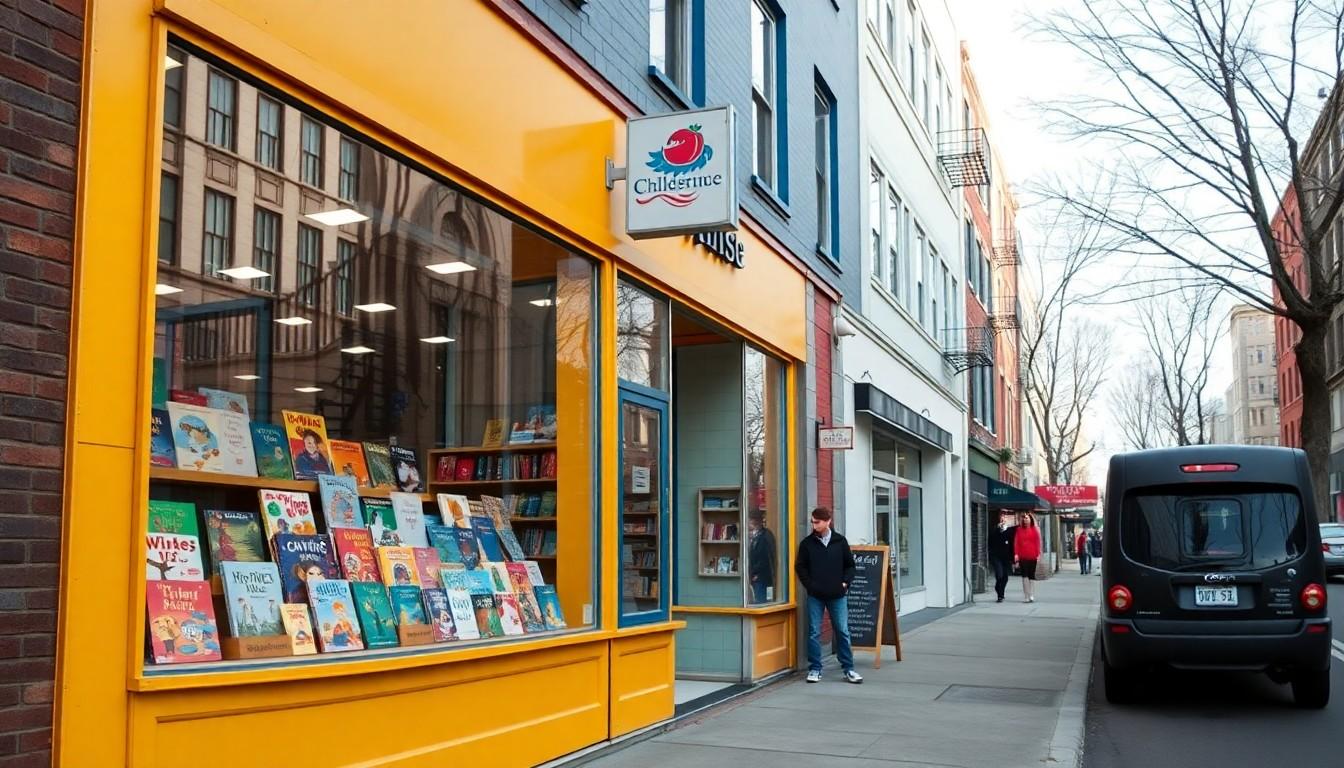
Readers looking for LGBTQ-inclusive middle grade books will find plenty of wonder in these five recent releases, from magical quests and talking animals to drag performance and found family. Together, they offer funny, heartfelt stories that make space for trans, queer and gender-expansive characters while keeping adventure, imagination and emotional growth firmly centre stage.
Essential Takeaways
- Fantasy with something to say: These books pair magical settings with themes including identity, privilege, friendship and community.
- Warm, varied representation: Trans, queer and non-binary characters appear as heroes, friends, leaders and family members.
- Graphic novels bring extra charm: Small Magics and Nell of Gumbling use expressive artwork, diary formats and playful humour.
- Adventure remains central: From monster-filled quests to a missing drag performer, these stories are lively rather than lesson-heavy.
- A good range of reading moods: Expect gentle island magic, festive mayhem, high-stakes fantasy and sequinned drama.
Five books, five different kinds of magic
The strongest feature of this group is its variety. Realmsweep is an ambitious fantasy adventure, while Small Magics finds wonder in gardens, weather and talking dogs. Nell of Gumbling adds holiday sparkle, The Sea Witch Prophecy delivers a final epic quest, and Juana Fanta Needs a Hero brings drag, basketball and a mystery together.
That range matters. LGBTQ-inclusive middle grade fiction works best when identity is part of a character's life, not the entire plot. These young protagonists still have to make friends, manage rivalries, solve problems and occasionally deal with the sort of chaos that makes adults quietly grateful they're not in charge.
Realmsweep makes identity part of a thrilling quest
In H.E. Edgmon's Realmsweep, Rowdy Buckner is a 12-year-old prince in a richly imagined alternate United States. He's also transgender, and his royal parents believe he must prove his maturity before pursuing a tightly controlled magical transformation.
Rowdy responds by joining a dangerous scavenger hunt across the Allied Lands. His team is assembled from a mismatched group of young people, many of whom are far less impressed by royal status than Rowdy expects. The resulting adventure combines monsters, sharp humour and a satisfying lesson in cooperation.
The book also looks beyond individual identity to privilege, inequality and shared responsibility. Its fantasy setting gives those ideas room to breathe, while the brisk plot keeps the story moving. For readers seeking a long-tail choice such as the best LGBTQ-inclusive fantasy books for tweens, this is an especially strong option.
Small Magics finds wonder in everyday life
Emily Tetri's Small Magics takes a quieter route. Sara spends the summer with her two partnered aunts on an island, away from school friends and on the brink of another major change. Then the fog lifts, the family dogs start talking and ordinary chores acquire a distinctly enchanted glow.
The charm comes from the small scale. Sara deals with storms, chickens, garden produce and unfamiliar social situations, while Whatar and Sits provide comic relief with the confidence of animals who clearly believe humans are doing everything wrong. Kirkus Reviews highlights the book's gentle humour and emotional warmth, qualities that make it an appealing choice for younger middle-grade readers.
Sara's growth is gradual rather than dramatic. She becomes more confident through everyday attempts to connect with others, which feels both believable and reassuring. Sometimes the most convincing magic is simply finding your feet in a new place.
Nell of Gumbling adds festive fun and family warmth
In Emma Steinkellner's Nell of Gumbling: My Holiday Diary, Nell returns to the magical enclave of Gumbling as the town prepares for its winter celebration. Her role as director of the holiday show sounds exciting until she has to share the job with Sam Birdneck, an opinionated collaborator with very different ideas.
The production quickly becomes a tangle of strong personalities, unreliable performers and clashing plans. Beneath the dry jokes and expressive illustrations, however, the story explores listening, leadership and the effort required to create something together.
Nell's two dads are part of the world naturally, while a secondary romance between her friends Myra and Leabelle adds another strand of queer representation. It all feels comfortably woven into the story's wider fairy-tale atmosphere, rather than placed under a spotlight.
The Sea Witch Prophecy gives a beloved series a big finale
Claribel Ortega's The Sea Witch Prophecy is the fifth and final Witchlings book, bringing Seven Salazar, Valley Pepperhorn and Thorn Laroux into a dangerous search for answers. An ancient prophecy may hold the key to stopping Ambert Lophiifor's attempt to seize control of the Twelve Towns.
The adventure raises the stakes, but the series' appeal still rests on its characters and its lively magical society. The world is queer-normative, includes characters who use they/them pronouns and celebrates different forms of family, including a joyful found-family moment.
New readers will be better off beginning with the first book, while existing fans should find this a rewarding conclusion. Final instalments can be tricky: they need to resolve long-running threads without squeezing out the fun. This one aims for both heart and spectacle.
Juana Fanta proves drag and sport belong together
Kyle Casey Chu's Juana Fanta Needs a Hero follows Derrick Chan, a 13-year-old who loves basketball and drag. Returning home after discovering more about his queer identity, Derrick is juggling a state tournament, complicated feelings about his best friend and a plan to sneak out to see his favourite performer.
Then Juana Fanta disappears. Derrick must investigate while keeping his team commitments intact, forcing him to think harder about the separate parts of his life and whether they really need to remain separate.
The book's biggest strength is its refusal to narrow queer identity into a single interest. Derrick can care about sport and performance, while Juana Fanta combines drag with a love of STEM. That combination feels refreshingly straightforward, and the sequins arrive with plenty of energy rather than apology.
Why inclusive middle grade stories matter
These books show how much room there is within LGBTQ-inclusive fiction for different tones and formats. One reader might want a monster-filled quest, another a softly comic graphic novel, and another a story about performance, friendship and a missing celebrity.
Representation is most powerful when characters are allowed to be messy, funny, ambitious and occasionally wrong. They can be princes, athletes, organisers, witches or reluctant summer adventurers. Most importantly, they get to have stories that are about more than explaining who they are.
For families, teachers and librarians, this selection also offers useful variety in reading confidence. Graphic novels can be an inviting entry point, while the fantasy novels provide longer journeys for readers ready to settle into an expansive world.
Explore the title that best matches your reader's mood, whether that's cosy, chaotic, magical or gloriously sequinned.
Source Reference Map
Story idea inspired by: [1]
Sources by paragraph: