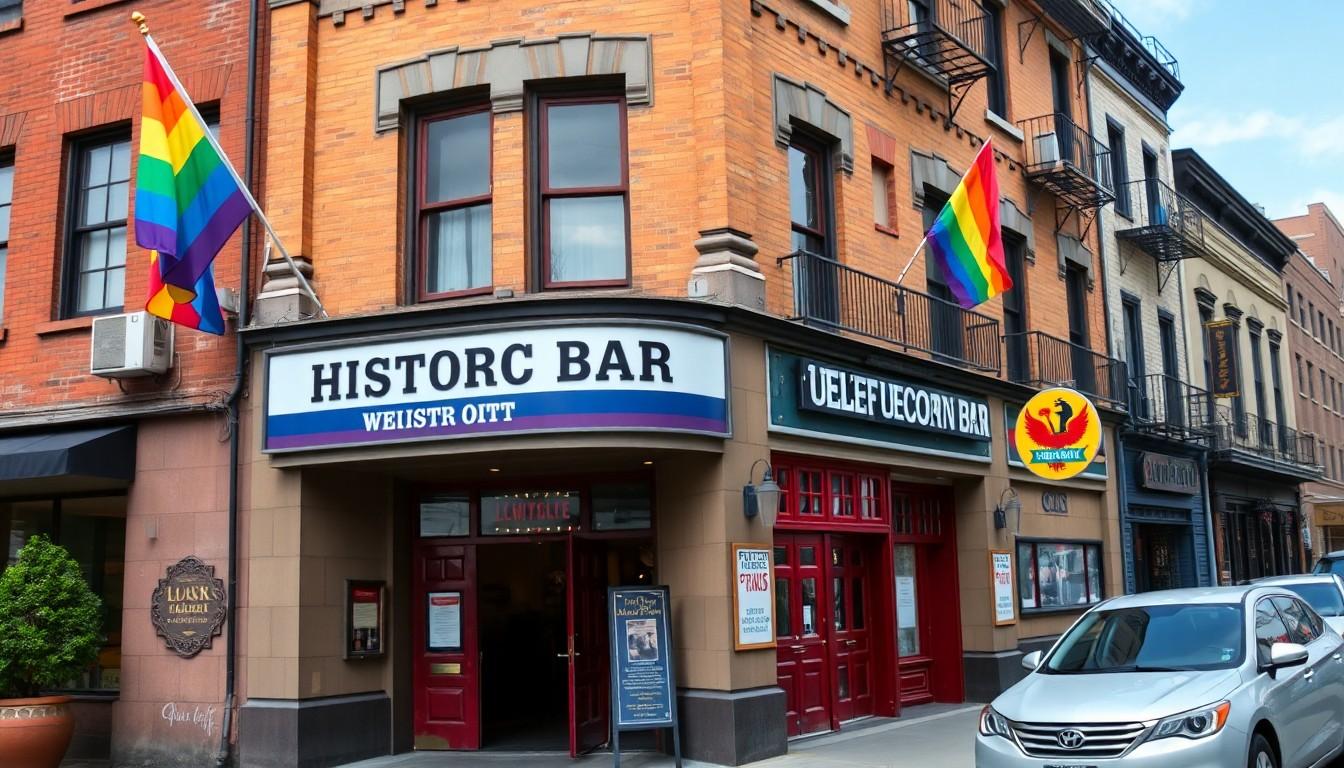
Shoppers of history, nightlife fans and LGBTQ+ travellers are looking beyond famous clubs to discover the queer bars that built community across America. From Los Angeles's Black Cat Tavern to New York's Paradise Garage, these places offered more than drinks: they created room for protest, joy, identity and belonging.
Essential Takeaways
- Bars became community institutions: They offered LGBTQ+ people places to meet, organise, celebrate and feel safe.
- The Black Cat Tavern mattered early: Its 1967 protest followed a police raid and came more than two years before Stonewall.
- Paradise Garage reshaped club culture: Its music, crowd and dance-floor energy influenced house and garage worldwide.
- Queer nightlife has never been one-size-fits-all: Black, lesbian, Latino, leather and neighbourhood venues each tell different stories.
- The tradition is still evolving: Newer venues are building more inclusive spaces rather than simply recreating the past.
Why queer bars were always about more than drinking
The most important thing about a historic LGBTQ+ bar wasn't necessarily the cocktail, the jukebox or even the dance floor. It was the relief of walking through the door and not having to explain yourself.
For many people, these venues were among the few places where queer life could be visible. They offered friendship, romance, organising, fundraising and a chance to laugh loudly in public. According to Bartender Magazine, bars also played a role during the AIDS crisis, hosting benefits, circulating information and giving communities somewhere to mourn together.
That mixture of resistance and pleasure is what makes queer nightlife so distinctive. A night out could be political without feeling like a meeting, and joyful without ignoring the danger outside.
The Black Cat Tavern helped turn a raid into protest
In Los Angeles, the Black Cat Tavern became a landmark after police raided it on New Year's Eve in 1966. Patrons were beaten and arrested, and hundreds of people later gathered to protest outside the venue. QueerMaps records the tavern as an important site in early LGBTQ+ civil-rights history.
The moment mattered because it made public protest unavoidable. This wasn't yet the familiar Stonewall story taught in many history books, but it showed that queer communities were already challenging police harassment and unequal treatment.
Its legacy also offers a useful reminder: LGBTQ+ history didn't begin at one famous address. It was built through many local acts of courage, often in rooms that looked ordinary from the outside.
Paradise Garage changed the shape of the dance floor
New York's Paradise Garage was more than a nightclub. Between 1977 and 1987, it became a creative engine for DJ culture, club sound and dance music, driven in large part by resident DJ Larry Levan and a predominantly Black and Latino queer crowd.
The venue's influence reached far beyond its walls. Research from the New York LGBT Historic Sites Project highlights its importance to New York nightlife, while historical accounts link its sound and atmosphere to the development of house and garage music. The club also hosted a major 1982 fundraiser for Gay Men's Health Crisis, showing how celebration and community action could share the same space.
There was an almost magical simplicity to the formula: a powerful sound system, an open-minded crowd and a room where people could move without being watched or judged. Plenty of modern clubs are still chasing that feeling.
Different bars held different parts of queer history
There was never a single LGBTQ+ nightlife experience. Lesbian bars, Black gay bars, Latino clubs, leather venues, drag rooms and neighbourhood dives each served communities with their own needs and traditions.
That distinction matters. A venue could be welcoming to queer people in theory while still feeling alienating because of racism, sexism or class barriers. Black-owned and Black-centred spaces such as Jewel's Catch One in Los Angeles and Nob Hill in Washington, DC, were essential precisely because mainstream gay venues often weren't equally welcoming.
Lesbian bars were especially vulnerable to closure, making the survival of places such as Seattle's Wildrose culturally significant. Their importance isn't simply sentimental. They preserve social networks and physical gathering points for people who have often been overlooked even within LGBTQ+ nightlife.
From Stonewall to modern queer third spaces
Stonewall remains one of the world's best-known LGBTQ+ landmarks, but its importance sits within a much broader network of bars and activists. Julius' in New York hosted the 1966 "Sip-In", while Café Lafitte in Exile in New Orleans became a long-running fixture of French Quarter queer life.
Other venues carry more complicated memories. Orlando's Pulse, which opened in 2004, became inseparable from the 2016 mass shooting that killed 49 people. Its story is a devastating reminder that queer spaces can represent safety and vulnerability at the same time.
Today, the traditional gay bar is changing rather than disappearing. Newer venues are creating broader queer third spaces, with Black-owned, women-owned and community-led businesses placing inclusion at the centre. That shift feels less like abandoning history and more like adding another chapter to it.
How to experience queer bar history respectfully
If you're visiting a historic LGBTQ+ venue, start by learning what the place means to its local community rather than treating it as a photogenic stop. Check whether it's still operating, follow current house rules and spend money there if you can.
Be mindful, too, that these aren't museum pieces. People may be meeting friends, finding community or simply enjoying a quiet drink. A little respect goes a long way, especially in spaces that have survived harassment, exclusion and loss.
The best approach is simple: listen, support local queer businesses and remember that a bar's value may be measured in belonging, not just beverages.
A great queer bar serves drinks, but its real gift is somewhere to belong.
Source Reference Map
Story idea inspired by: [1]
Sources by paragraph: