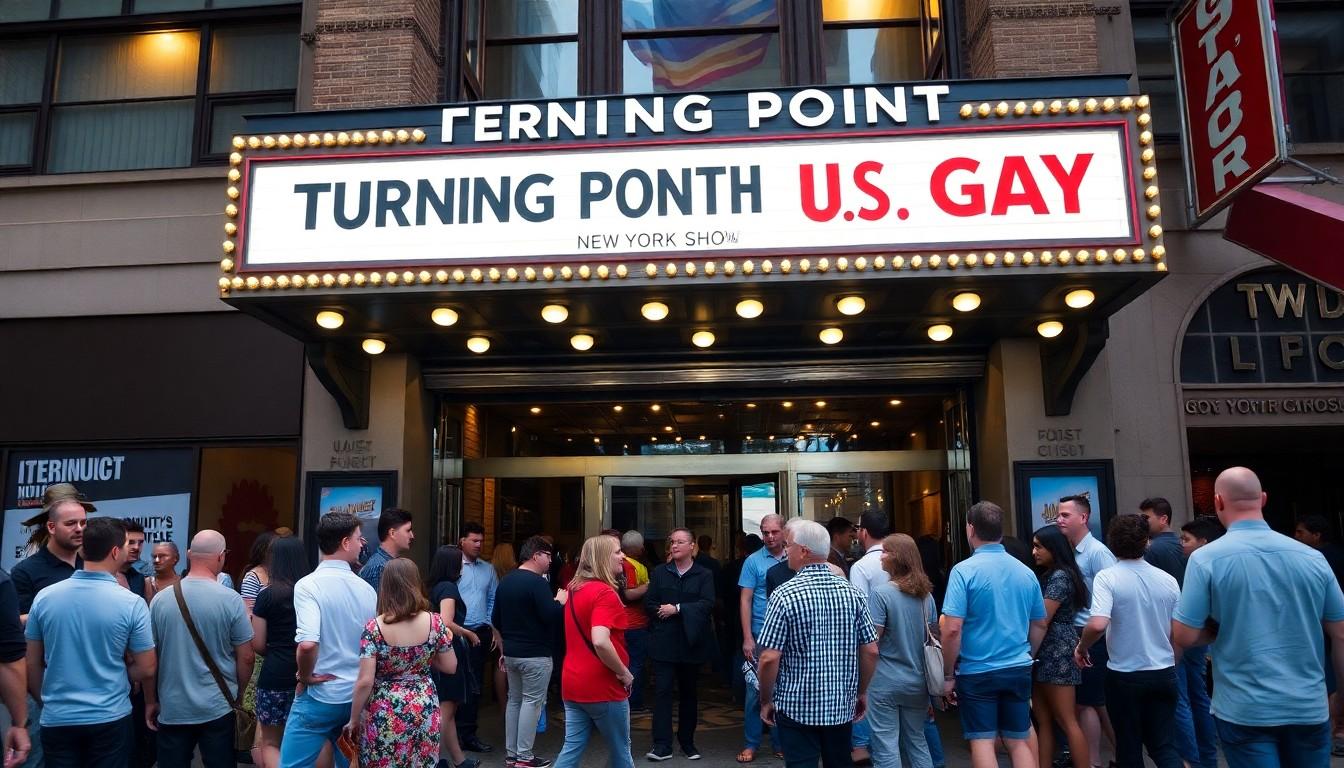
Audiences are turning viral political parody into a live queer spectacle, as Erika Qwerk and fellow drag performers transform right-wing imagery into glittering satire. The Brooklyn show, Turning Point U.S. GAY, matters because it pairs sharp comedy with a serious response to anti-LGBTQ rhetoric, while raising money and rallying a community under pressure.
Essential Takeaways
- Erika Qwerk went viral: Lauren Banall’s character lampoons the polished spectacle surrounding Erika Kirk’s public appearances.
- The show is political: Turning Point U.S. GAY parodies figures including Donald Trump, Melania Trump, JD Vance and Nancy Mace.
- Comedy meets fundraising: Related coverage says the performance helped raise more than $20,000 for the ACLU.
- The stakes are real: Performers link the jokes to rising hostility, threats and restrictions affecting queer communities.
- Satire travels fast: Online outrage helped push Erika Qwerk from a club act into a wider cultural conversation.
Erika Qwerk turns political spectacle into drag comedy
The night begins with fireworks, American flags and a deliberately overblown announcement about who is allowed to grieve. Then Erika Qwerk appears in a sparkling red jacket, waving a lighter and producing tears on cue. It’s camp, theatre and internet satire rolled into one gleaming package.
Lauren Banall, the West Coast drag performer behind Qwerk, built the character after videos mocking Erika Kirk’s highly choreographed public appearances began circulating online. Coverage by LGBTQ Nation shows how quickly conservative critics reacted to the impersonation, while other reports tracked the character’s viral rise and growing audience.
The joke works because it mirrors the original spectacle so closely. Qwerk isn’t simply imitating a public figure; she’s holding up a glitter-covered mirror to the language, staging and emotional theatre of modern political events.
Why the parody struck such a nerve
Political drag has always enjoyed turning power inside out, but Erika Qwerk arrived at a particularly combustible moment. Her performance borrows the visual vocabulary of patriotic rallies and sends it somewhere far less solemn: a queer club packed with sequins, laughter and knowing side-eyes.
The response was predictably heated. LGBTQ Nation reported demands that Erika Kirk pursue legal action against the performer, while another account described conservative anger at the impersonation. That outrage, however, gave the parody an even larger stage.
There’s a familiar internet pattern here. A performance intended for a live audience escapes into social media, critics amplify it, and the backlash becomes part of the marketing. In this case, the outrage helped turn a drag persona into a recognisable political character.
Turning Point U.S. GAY makes protest feel like a party
The wider event, Turning Point U.S. GAY, takes aim at several members of Donald Trump’s political orbit. Kiki Ball-Change performs as Melania Trump, Chase Runaway appears as Pam Bondi, and Marti Gould Cummings channels Nancy Mace through a medley of anti-trans comments.
Other routines push the absurdity further, including a drag JD Vance involved in an intimate encounter with animated furniture and an orange-suited Trump dancing with Ivanka. It’s intentionally outrageous, but the performers say the silliness is meant to expose the consequences beneath the headlines.
That balance matters. The show isn’t presenting parody as a substitute for activism; it’s using humour to make political criticism easier to enter, remember and share. As Drag Society and Instinct Magazine reported, the event also connected the performances to fundraising for the ACLU, giving the spectacle a practical purpose beyond applause.
The serious issues behind the laughs
The performers’ concerns are rooted in more than online arguments. Anti-drag campaigns have contributed to cancelled events, hostile protests and financial pressure on queer performers and venues. For smaller businesses, even a single threatening campaign can mean extra security costs, lost bookings and exhausted staff.
Banall and her fellow queens frame their work as a response to that atmosphere. The costumes are flamboyant, but the message is direct: public figures who use queer people as political targets can expect to be parodied in return.
Recent coverage has also highlighted increasingly aggressive rhetoric aimed at transgender people and other minorities. Against that backdrop, a crowded room cheering a performer dressed as a political widow may look frivolous from the outside. Inside the venue, it can feel more like collective relief.
What Erika Qwerk says about viral drag
The success of Erika Qwerk points to a broader shift in how drag reaches audiences. A club performance can now become a short video, a meme, a fundraising tool and a national argument within days. That creates opportunities for performers, but it also exposes them to organised abuse and unwanted attention.
The charitable response is especially telling. LGBTQ Nation reported that Banall’s Erika Kirk performance generated thousands of dollars for good causes, while related coverage placed the total raised for the ACLU at more than $20,000. The character’s sharpest trick, perhaps, is turning outrage into resources.
For audiences, the appeal is simple. The show offers a place to laugh at political power without pretending the underlying harm is funny. The sequins catch the light, the jokes land, and for a few hours the room belongs to the people usually being talked about.
It’s a small act of glittering defiance, but it can make a surprisingly loud noise.
Source Reference Map
Story idea inspired by: [1]
Sources by paragraph: