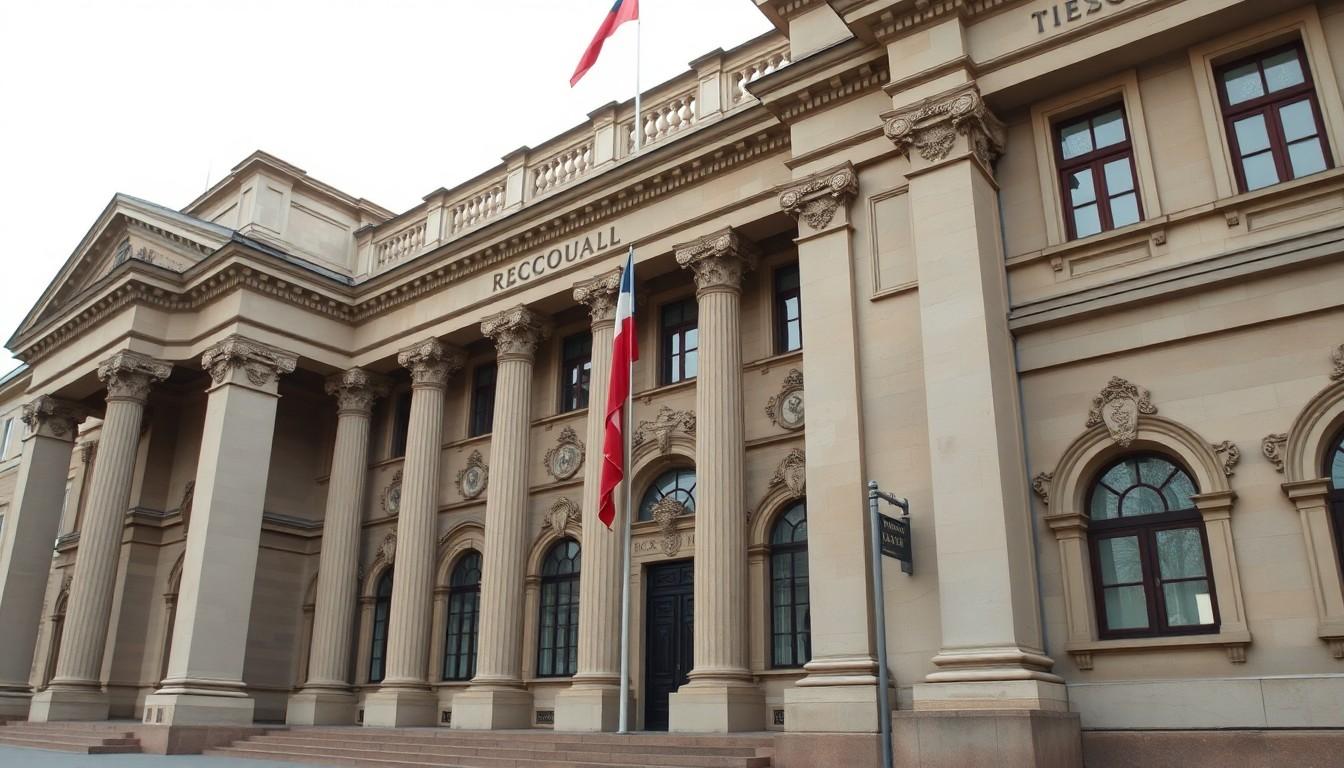
Readers are revisiting the difficult relationship between private identity and public reputation, prompted by a controversial essay about Lindsey Graham and its comparison with Pyotr Ilyich Tchaikovsky. The discussion matters because it asks whether secrecy, social pressure and forbidden love can influence great art without reducing an artist’s work to sexuality.
Essential Takeaways
- Private lives remain complicated: Historical figures often left behind incomplete, coded or disputed evidence about their relationships.
- Tchaikovsky’s letters matter: Surviving correspondence offers vivid clues about his emotional and romantic life.
- The historical setting was harsh: Same-sex relationships carried serious legal and social risks in imperial Russia.
- Art resists simple labels: Tchaikovsky’s music can reflect emotional conflict without being explained solely by his sexuality.
- Modern readings need care: Retelling the past should avoid both erasure and confident claims that the evidence cannot support.
Tchaikovsky’s private world was never as simple as a label
Few composers made emotional turmoil sound quite so physical. In Tchaikovsky’s music, longing can arrive like a rush of cold air, then swell into something grand, wounded and almost unbearably tender. That intensity has naturally encouraged listeners to look more closely at the man behind the scores.
His correspondence provides much of the evidence. According to The Guardian, letters preserved from censorship reveal intimate attachments and secret loves, offering a more personal portrait than the cautious public language of his era allowed. The documents don't turn every relationship into a neat modern category, but they do show a composer negotiating desire under pressure.
That distinction matters. A private life can be deeply revealing without becoming a complete explanation of an artist's work. Tchaikovsky was not simply a symbol of repression, nor can his music be reduced to a biographical footnote.
What the letters reveal about life in imperial Russia
The surviving letters are valuable partly because they capture the texture of private feeling. Their language can be affectionate, anxious and coded, with emotional warmth sitting beside the constant awareness that discovery could carry consequences.
The Guardian has also reported how officials and cultural gatekeepers disputed or softened descriptions of Tchaikovsky's sexuality. That uncertainty reflects more than scholarly fussiness. It shows how institutions often reshape inconvenient biographies, especially when a celebrated figure doesn't fit the respectable image preferred by the state.
For modern readers, the temptation is to translate every historical relationship into present-day terminology. Sometimes that helps; sometimes it flattens the evidence. The safest approach is to acknowledge what the letters show clearly, while leaving room for ambiguity where the record remains incomplete.
Can secrecy influence great music?
It would be too crude to say Tchaikovsky was a great composer because he was gay. Talent, training, ambition and musical imagination cannot be reduced to one aspect of identity. Yet it would be equally limiting to pretend that the social risks surrounding his desires had no emotional effect.
The Guardian's reporting on his letters points towards a life shaped by concealment, attachment and fear. Those pressures may have deepened his sensitivity to isolation, ecstatic love and emotional rupture, themes that recur across his ballets, symphonies and operas.
That isn't the same as claiming a direct formula between suffering and genius. Plenty of people endure private conflict without producing a masterpiece. But biography can help explain the temperature of an artwork, even when it cannot explain its architecture.
Why the argument about public morality feels dated
The essay that prompted this discussion makes a provocative distinction between older forms of concealment and modern identity politics. Its argument is that public conformity once preserved a sense of difference, while contemporary language about acceptance can make sexuality seem ordinary, commercial and almost interchangeable.
There's a sharp observation buried in that provocation: modern culture often turns identity into branding. Pride campaigns, streaming dramas and lifestyle marketing can make liberation look suspiciously like another route into consumer conformity. Yet that critique becomes weaker when it romanticises the fear, loneliness and dishonesty imposed by the closet.
A closeted life could protect a public career, but it could also damage partners, friends and the person living it. Tchaikovsky's correspondence suggests not a stylish rebellion against blandness, but a human being trying to find intimacy in a dangerous social climate.
Reading the composer without rewriting him
The most useful conclusion is neither to erase Tchaikovsky's sexuality nor to make it the master key to every melody. His private life adds context, especially when the letters expose the emotional costs of secrecy, but the music remains larger than any single biographical theory.
This is also where comparisons with modern political figures become unstable. Rumour, public image and historical evidence don't carry the same weight, and speculation about living or recently deceased people can quickly become unfair. The lesson from Tchaikovsky is not that secrecy is admirable; it's that public reputations are often built from partial records.
Listen to the music first, then read the life with patience. The richest understanding usually arrives when neither is forced to serve a tidy argument.
It's possible to honour Tchaikovsky's genius while facing the pressures that shaped his private world.
Source Reference Map
Story idea inspired by: [1]
Sources by paragraph:
- Paragraph 1: [3], [5]
- Paragraph 2: [3], [6]
- Paragraph 3: [4], [7]
- Paragraph 4: [3], [5]
- Paragraph 5: [3], [6]
- Paragraph 6: [4], [7]
- Paragraph 7: [3], [5]
- Paragraph 8: [3], [6]
- Paragraph 9: [4], [7]
- Paragraph 10: [3], [5]
- Paragraph 11: [3], [6]
- Paragraph 12: [4], [7]
- Paragraph 13: [3], [5]
- Paragraph 14: [3], [6]
- Paragraph 15: [4], [7]
- Paragraph 16: [3], [5]
- Paragraph 17: [3], [6]