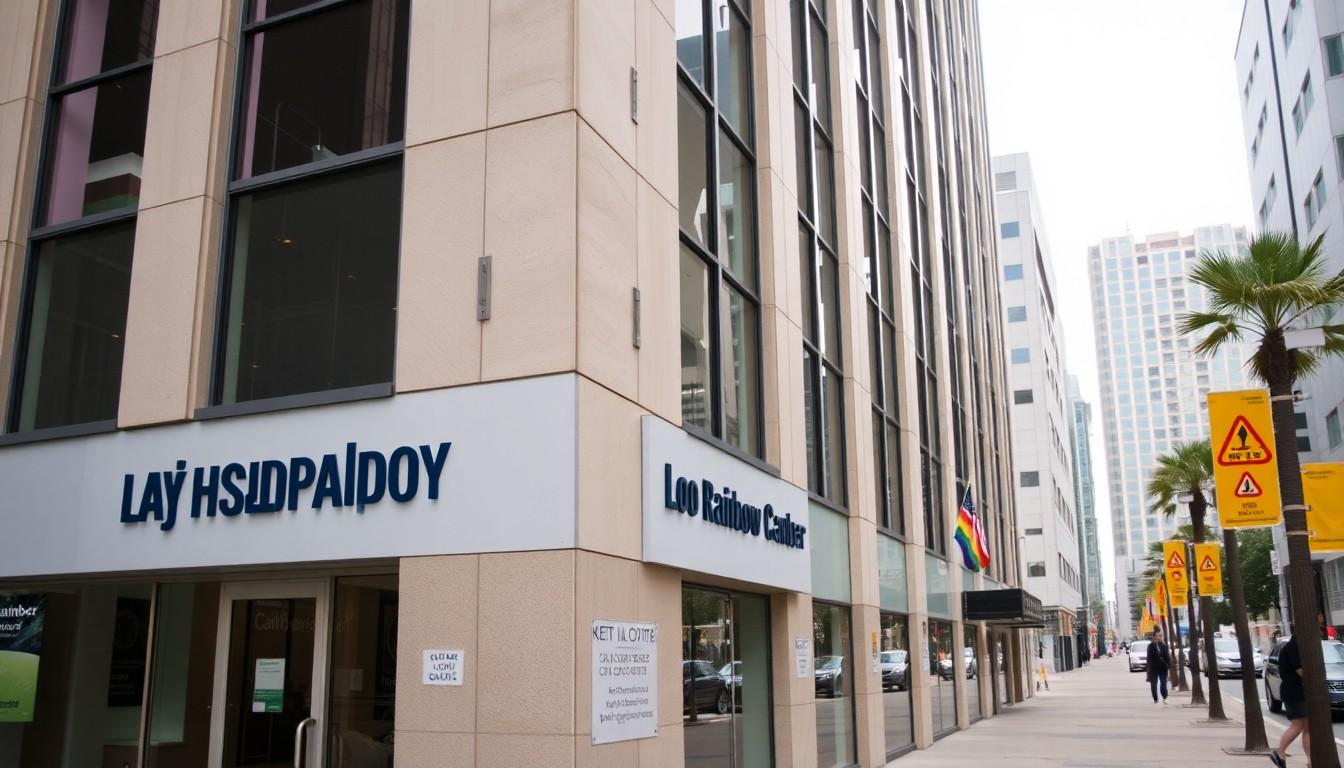
Shoppers, founders and civic leaders gathered in Los Angeles for a lively LGBTQ networking event that paired celebration with a serious business question: who gets to share in the spending around the 2028 Olympic and Paralympic Games? The California Rainbow Chamber says stronger connections, certification and practical support could help more LGBTQ-owned businesses compete.
Essential Takeaways
- A decade of networking: The California Rainbow Chamber’s 10th Mega Mixer brought together roughly 300 attendees in Beverly Hills.
- LA28 is the big opportunity: Organisers want LGBTQ-owned businesses included in Olympic, Paralympic and other major-event procurement.
- Preparation matters: Certifications, supplier registration, insurance, bonding and access to capital can all affect a company’s ability to win contracts.
- Trixie Mattel was honoured: Her work spans cosmetics, hospitality, music, television and digital media.
- The message was practical: Networking works best when attendees share referrals, buy from one another and build lasting partnerships.
A celebration with a commercial edge
There was plenty of sparkle at the Sofitel Los Angeles at Beverly Hills, but the California Rainbow Chamber’s 10th LGBTQ Networking Mega Mixer wasn’t simply a glamorous evening out. It was also a pointed discussion about money, access and who gets a seat at the table.
Around 300 business owners, advocates and public officials attended, creating the sort of energetic room where conversations can move quickly from introductions to possible collaborations. The LGBTQ Mega Mixer’s organisers position the event as a way to connect entrepreneurs with customers, partners and wider business opportunities, rather than treating networking as a quick exchange of business cards.
That distinction matters. Marquita Thomas, the chamber’s founding president and chief executive, urged attendees to think beyond finding customers and to become customers themselves. It’s a simple idea, but one with real force: community spending can help support jobs, local services and future growth.
Why LA28 has small businesses paying attention
The 2028 Los Angeles Olympic and Paralympic Games are creating a sense of urgency for businesses hoping to work on major events. Food and drink, lighting, transport, temporary facilities, hospitality and production services are just some of the areas that could benefit from increased demand.
However, being interested in a contract isn’t the same as being ready to win one. Thomas highlighted the need for more certified LGBTQ-owned businesses and better representation in supplier databases used by public bodies and large companies.
For smaller firms, the paperwork and financial demands can feel daunting. Government and corporate contracts may require formal certification, insurance cover, bonding capacity, reliable accounts and evidence that a business can deliver at scale. The California Rainbow Chamber’s business support work aims to help close that gap through connections to capital, technical assistance and procurement networks.
Businesses considering LA28 opportunities should start early. Check which certifications apply to your company, register with relevant supplier portals, organise financial records and build relationships before tenders appear. Waiting until a major contract is advertised can leave even a strong business scrambling.
The mayor’s “games for all” vision
Los Angeles Mayor Karen Bass used the gathering to reinforce the idea that the Games should benefit more than the venues and organisations directly involved in sport. She said the city wants LGBTQ-owned businesses to share in the financial, economic and social opportunities created by the event.
Her broader vision is that LA28 should reach into neighbourhoods through festivals, exhibitions, performances and other cultural activities. That could create opportunities for businesses far beyond traditional Olympic suppliers, including creative agencies, caterers, venues, designers and event producers.
According to the chamber, the mayor’s administration has already held business summits to help local companies prepare. The challenge now is turning encouragement into visible results, particularly for businesses that may not have established relationships with major contractors.
That’s where local networks can be useful. A chamber, trade group or business association may help a founder understand procurement language, meet potential partners or find a larger company looking for specialist suppliers. In an environment dominated by big projects, collaboration could be the more realistic route in.
Trixie Mattel shows the power of a distinctive brand
The evening’s award went to Trixie Mattel, whose career demonstrates how a recognisable creative identity can develop into a broad business portfolio. She’s associated with Trixie Cosmetics, the Trixie Motel, music, television, podcasts and digital media, while also holding an ownership stake in the Milwaukee gay bar This Is It!
Her official website and Trixie Cosmetics present a brand built around a clear visual world, playful products and a strong personal connection with fans. That consistency is commercially valuable. Customers aren’t simply buying make-up or booking a hotel room; they’re buying into an experience that feels unmistakably Trixie.
The Trixie Motel, meanwhile, turned hospitality into storytelling. Its colourful design and television exposure helped transform a Palm Springs property into a destination with its own personality. The lesson for smaller businesses isn’t that every company needs a reality show, thankfully. It’s that a memorable point of view can make a crowded market feel much less crowded.
Mattel’s recognition also carried a wider message about authenticity. For LGBTQ entrepreneurs, being visible isn’t always easy, but a distinctive identity can become a source of loyalty, differentiation and commercial strength when it’s handled with confidence.
What entrepreneurs can take from the event
Mattel told the audience that entrepreneurship requires the nerve to claim space and build something that may not fit conventional expectations. Her remarks, delivered with humour, connected personal expression with the less glamorous work of running a business: showing up, making decisions and continuing after the novelty wears off.
That combination of imagination and stamina is particularly relevant for founders looking towards large events. A strong brand may attract attention, but dependable systems win repeat work. Businesses should consider whether their staffing, pricing, stock levels, customer service and delivery processes can cope with a sudden increase in demand.
The hotel’s continuing partnership with the chamber offered another example of how commercial relationships can develop over time. The Sofitel has hosted several of the organisation’s mixers, giving entrepreneurs a polished setting in which to meet, reconnect and find possible collaborators.
Looking ahead, the chamber wants more LGBTQ-owned companies to grow into significant employers and regular participants in major economic decisions. That may be the most important measure of progress: not just a packed networking room, but businesses returning year after year with bigger teams, stronger contracts and more influence.
It’s a small-business story with a big-event backdrop, and the next chapter will be judged by who gets through the door.
Explore networks, certifications and partnerships that can help your business compete.
Source Reference Map
Story idea inspired by: [1]
Sources by paragraph:
- Paragraph 1: [2], [3]
- Paragraph 2: [2], [3]
- Paragraph 3: [3], [6]
- Paragraph 4: [2], [3]
- Paragraph 5: [3]
- Paragraph 6: [2], [3]
- Paragraph 7: [3]
- Paragraph 8: [2], [3]
- Paragraph 9: [4], [5]
- Paragraph 10: [6], [7]
- Paragraph 11: [4], [6]
- Paragraph 12: [5], [6]
- Paragraph 13: [5], [6]
- Paragraph 14: [2], [3]
- Paragraph 15: [2], [3]
- Paragraph 16: [3]
- Paragraph 17: [2], [3]