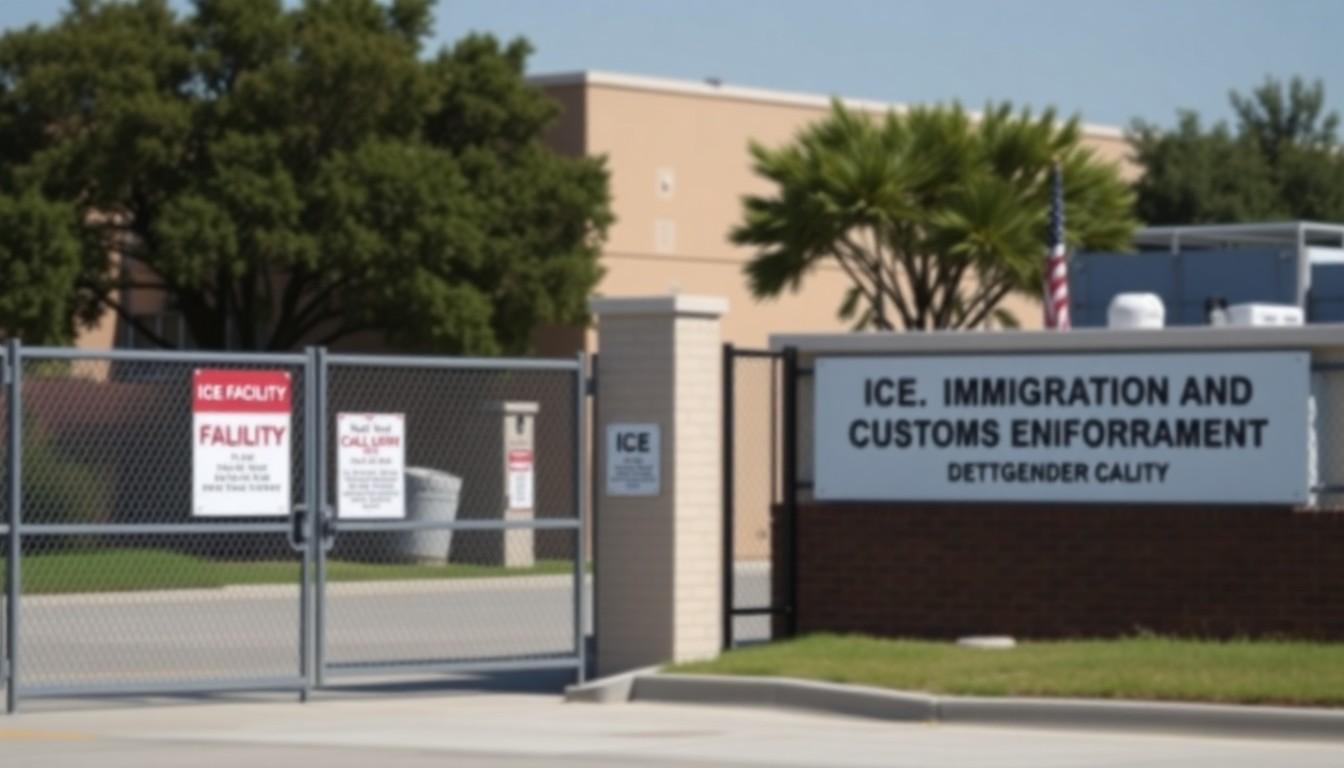
Trans people in US immigration detention are describing frightening conditions, from harassment and solitary confinement to interrupted hormone treatment. The accounts, reported by LGBTQ Nation and other outlets, highlight why the treatment of trans and non-binary detainees matters, particularly for people who fled persecution and now fear being denied safety in custody.
Essential Takeaways
- Safety concerns: Trans women have reported threats, sexual violence and harassment in male detention units.
- Isolation carries risks: Solitary confinement can worsen trauma, anxiety and suicidal thoughts.
- Healthcare is disrupted: Some detainees say they’ve been denied hormone replacement therapy and other approved care.
- Basic dignity is restricted: Clothing, grooming products and chosen names may be withheld or policed.
- The numbers are unclear: ICE has faced criticism over limited public data on transgender people in detention.
Inside detention, fear becomes part of the routine
The most disturbing accounts are also the most ordinary. Trans women held in ICE custody have described waking in crowded men’s units, hearing threats and fearing that guards won’t intervene. According to LGBTQ Nation, detainees from Venezuela and Honduras said they’d fled serious violence, including death threats and attempted sexual assault, only to encounter new danger after seeking asylum in the United States.
That fear isn’t limited to fellow detainees. Reports describe aggressive searches, humiliating treatment and repeated slurs, with some women saying staff allowed harassment to continue. The result is a grim reversal of what detention is supposed to provide: instead of protection, people describe constantly calculating how to stay safe. AP reporting has also examined wider concerns about conditions and accountability in immigration detention.
Why solitary confinement isn’t a simple solution
When officials decide that trans detainees aren’t safe in the general population, the alternative can be isolation. That may look like protection on paper, but prolonged solitary confinement has long been associated with serious mental-health damage, including panic, hallucinations and suicidal thinking. For people already living with trauma, the effects can be especially severe.
The Marshall Project, as cited in reporting on these cases, heard from a trans woman who said she spent months isolated despite a psychologist warning about the consequences. She described seeing shadows and hearing voices. It’s a stark reminder that removing someone from immediate danger doesn’t automatically make them safe, particularly if the replacement is near-total social deprivation.
Medical care and identity are being stripped back
Hormone replacement therapy is routine, medically recognised care for many trans people, yet detainees have reported interruptions or outright denial. LGBTQ Nation reported that some women also lacked suitable clothing, razors and cosmetics, while attempts to improvise with everyday items could lead to punishment. These details may sound small from the outside, but they’re tied to dignity, identity and mental wellbeing.
The policy backdrop is also changing. Vera and Truthout have reported that ICE has stopped or reduced the availability of public data identifying transgender people in detention, making it harder to measure the scale of the issue. Without reliable figures, advocates, lawyers and families are left trying to understand a system that can already feel deliberately opaque.
From trans pods to men’s facilities
ICE previously used dedicated units for some trans detainees, often referred to as trans pods. They weren’t perfect, and advocates raised concerns about segregation, but former detainees have described them as markedly different from being housed in men’s facilities. One woman told The Marshall Project that staff in the earlier setting treated her as herself, while in her current unit officials used her legal name and prohibited feminine presentation.
That contrast gets to the heart of the debate. A separate unit can create isolation and its own risks, while a standard men’s unit can expose trans women to threats and misgendering. The practical challenge is ensuring safety without turning a person’s identity into a reason for punishment or indefinite confinement. Historical reporting has documented that more than 100 transgender people were held in ICE custody as far back as 2019, showing this isn’t a new concern.
Missing data makes accountability harder
The disappearance of clear data matters because numbers shape policy. Vera has warned that excluding transgender people from detention statistics makes it harder to track placements, medical needs, abuse complaints and outcomes. Truthout likewise reported that ICE no longer publicly reports how many transgender people it holds, leaving a significant gap in oversight.
DHS has defended its approach, saying detainees receive high-quality healthcare, while advocates and former detainees describe interrupted treatment and degrading conditions. Those accounts sit uncomfortably together. Until independent monitoring and transparent reporting improve, the public is being asked to take official assurances on trust, while vulnerable people bear the consequences.
For someone who arrived in the US seeking refuge, detention should never mean losing access to essential healthcare or being forced to hide who they are. The basic test is simple: safety must include physical security, medical continuity and respect.
It's a small set of rights on paper, but a life-changing standard in practice.
Source Reference Map
Story idea inspired by: [1]
Sources by paragraph: