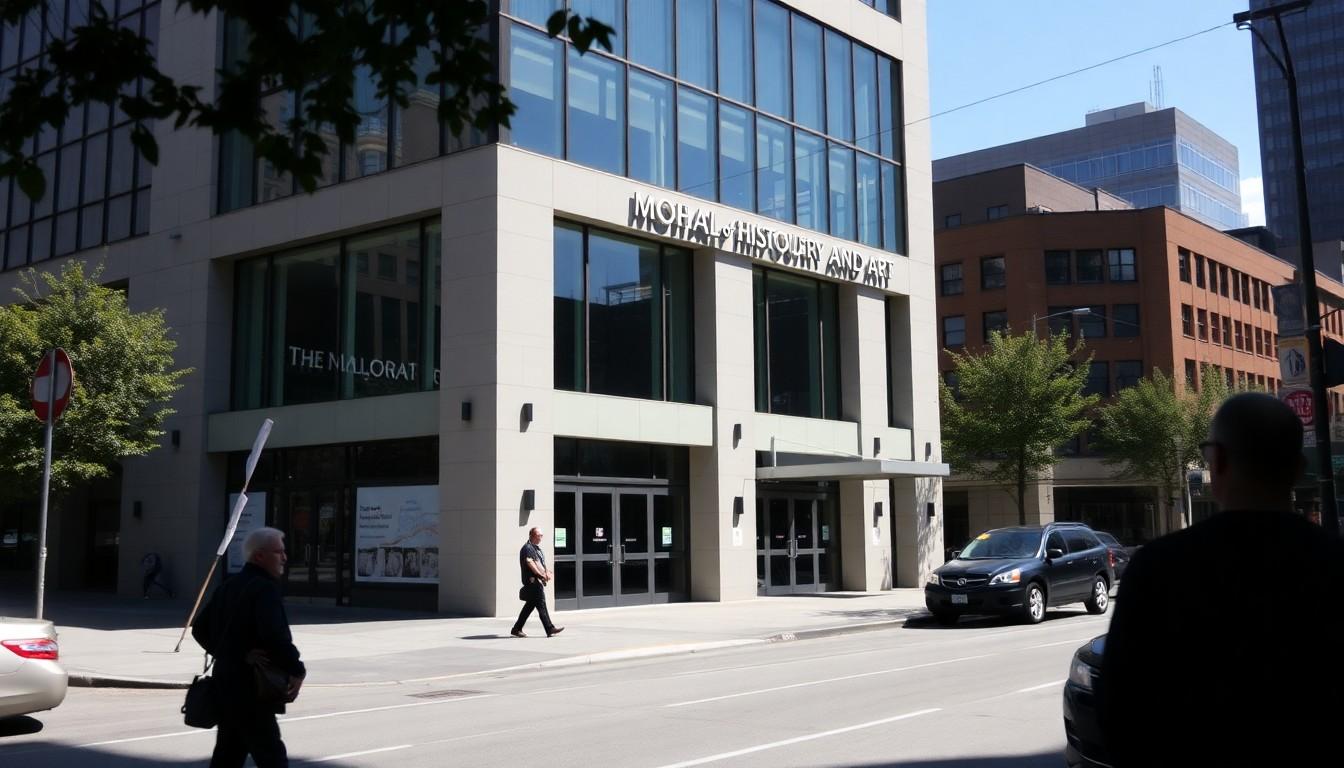
Visitors gathered at Seattle's Museum of History and Industry to hear LGBTQIA+ memories of work, nightlife, discrimination and resistance. The History Café event showed why preserving local queer history matters: these aren't distant legends, but vivid accounts of people who found joy, challenged authority and built community when visibility could carry a serious personal cost.
Essential Takeaways
- Personal stories matter: Oral histories preserve the everyday experiences behind Seattle's LGBTQIA+ past.
- Visibility once carried risks: Workers could fear losing jobs or being publicly identified because of their sexuality.
- Humour offered resistance: Community members used wit, solidarity and a well-timed stare to reclaim queer spaces.
- Courage took many forms: Challenging discrimination sometimes meant quietly refusing to follow an unjust system.
- The work continues: Local archives and history programmes help connect older experiences with younger generations.
Seattle's queer past feels strikingly close
The strongest impression from the History Café celebration is how immediate these memories feel. According to Seattle Pride, the programme was designed to preserve LGBTQ+ history through firsthand testimony, creating a setting where the past could be heard rather than simply read about.
That difference matters. A reference to discrimination can sound abstract on a page, but a story about scanning a familiar room for police officers, or worrying that colleagues might discover your identity, lands in the stomach. The fear was practical, constant and tied to ordinary parts of life such as work, dancing and friendship.
The event also underlined the role of local history. As OutHistory's account of Seattle's LGBTQ+ development shows, the city has a long record of people organising, socialising and making space for one another, even when public acceptance lagged badly behind private community life.
Hidden bars, watchful rooms and hard-won freedom
For many older LGBTQ+ Seattle residents, nightlife was both sanctuary and risk. Oral-history collections held by the Northwest Lesbian and Gay History Museum Project record how people sought out welcoming venues, while remaining alert to surveillance, harassment and the possibility of exposure.
That tension gave these stories their particular energy. A night out could mean music, flirtation and relief, but it could also require a quick exit if the wrong person appeared. The contrast is almost cinematic: a crowded room, a sudden glimpse of authority and the instinct to disappear before a private evening became a professional crisis.
Yet the memories aren't only sombre. One account of straight visitors treating a queer venue like a spectacle ended with patrons turning their chairs around and staring back. It's funny, but it also captures a sharper truth: sometimes reclaiming dignity began with refusing to perform for other people's curiosity.
Humour made resistance memorable
The evening's stories apparently moved easily between vulnerability and laughter, a combination that feels especially authentic. Communities under pressure rarely survive through solemnity alone. They make jokes, invent rituals and learn when a raised eyebrow can say more than a speech.
The wider Seattle archive reflects that richness. The Come Out Seattle oral-history project presents LGBTQ+ lives through individual memories, helping show that history is made not just by public leaders but by workers, students, neighbours and friends.
That approach also prevents the past from becoming too neat. Queer history isn't simply a sequence of victories leading to the present. It's full of awkward decisions, near misses, small acts of defiance and evenings that were both joyful and frightening. Those details are what make the record human.
Choosing conscience over an easier future
Another strand of the event explored institutional pressure, including the experience of a Naval Academy student who questioned traditions built around humiliation and enforced conformity. He faced the sort of decision that rarely fits a triumphant headline: accept an unfair system and protect your prospects, or walk away from an opportunity that no longer matched your values.
The choice is powerful because it wasn't presented as easy. Leaving meant giving up financial security and a promising path. But refusing to participate in degrading treatment showed that integrity can be expressed privately, long before anyone calls it activism.
That lesson still travels well. Whether the setting is a workplace, school or public institution, people continue to weigh belonging against principle. The details change, but the question remains familiar: how much of yourself are you expected to surrender to fit in?
Why preserving LGBTQIA+ oral histories still matters
History Café's partnership between MOHAI, HistoryLink and the Pacific Northwest Historians Guild demonstrates the value of bringing archives into public conversation. Seattle Pride describes the programme as a way to preserve LGBTQ+ history, while the event listing indicates that nine voices were included in the celebration.
Collections such as those highlighted by the Seattle Gay News and Come Out Seattle help fill gaps that official records often leave behind. Government documents may show laws, institutions and dates, but oral histories reveal how those forces felt in a kitchen, a hospital corridor, a military dormitory or a crowded bar.
That connection between generations is perhaps the evening's most important achievement. Younger people inherit more than a timeline; they inherit warnings, strategies and examples of joy. Older listeners, meanwhile, hear their lives treated as history rather than footnotes. That's a meaningful kind of recognition.
Queer history isn't only about landmark decisions or Pride marches. It's also about the people who kept dancing, kept organising and kept choosing one another when the wider culture offered little reassurance. Explore local oral-history collections, and you'll find a past that still has plenty to say.
Source Reference Map
Story idea inspired by: [1]
Sources by paragraph:
- Paragraph 1: [3], [6]
- Paragraph 2: [2], [4]
- Paragraph 3: [2], [5]
- Paragraph 4: [4], [6]
- Paragraph 5: [2], [4]
- Paragraph 6: [3], [7]
- Paragraph 7: [5], [6]
- Paragraph 8: [2], [4]
- Paragraph 9: [3], [7]
- Paragraph 10: [2], [5]
- Paragraph 11: [4], [6]
- Paragraph 12: [3], [5]
- Paragraph 13: [2], [4]
- Paragraph 14: [3], [6]