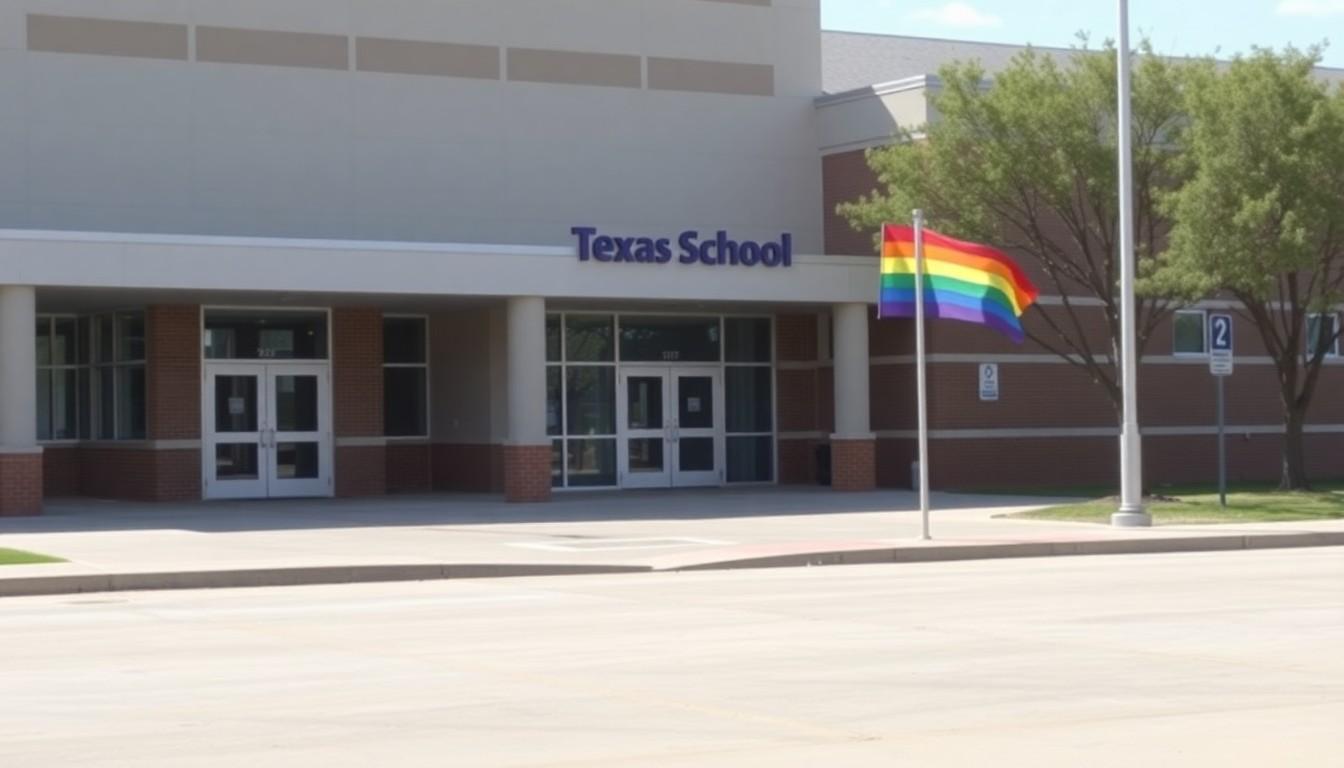
Families across Texas are questioning a controversial trans student resource guide after unsolicited pamphlets appeared in homes, promoted support services and referenced gender-affirming care. The advocacy group named in the material denies sending it, while reports point towards a newly formed Wyoming company, leaving parents asking who paid for the campaign and how their addresses were obtained.
Essential Takeaways
- The pamphlet's message: It discusses parental conflict, emancipation, hormones and gender-affirming care.
- The named group denies involvement: Transgender Education Network of Texas says it didn't author, approve or distribute the mailers.
- A new company is in the spotlight: Reports link the campaign to a Wyoming-registered LLC formed shortly before the mailings appeared.
- Parents want answers: Critics are seeking clarity about the campaign's funding, targeting and access to household data.
- The wider issue: The dispute has intensified an already heated debate over youth support, parental rights and political messaging.
An unsolicited leaflet lands in family postboxes
The pamphlets reportedly arrived without warning, turning an ordinary trip to the letterbox into a distinctly uncomfortable moment for some Texas parents. Titled the "Texas Trans and LGBTQ+ Student Resource Guide", the material presents itself as a source of help for young people questioning their gender or facing hostility at home. LGBTQ Nation reported that copies were sent to households across the state. [2]
Its contents go well beyond general information. The guide reportedly covers emancipation, what teenagers can do if their parents don't support them, and questions about hormones or gender-affirming care. It also directs readers towards Transgender Education Network of Texas, or TENT, and promotes the group's "Trans Texas Takeover Fall Tour". [3]
For supporters, that kind of information may look like a safety net for vulnerable teenagers. For opponents, it appears to bypass parents on highly sensitive medical and family matters. That sharp divide is precisely why the leaflet has caused such a stir. [7]
TENT says the guide wasn't its work
TENT has publicly rejected responsibility for both the physical mailers and related text messages. The organisation says the communications were not written, approved or distributed by it, and that they don't represent its official position. [5]
That denial hasn't ended the argument, partly because the pamphlet gives TENT prominent billing. The material's references to the organisation and its events have prompted critics to compare it with TENT's own public resources, including a back-to-school toolkit. WBAP reported that the dispute has fuelled demands for a closer look at the sources and messaging involved. [3]
There may also be a straightforward reason for the confusion: someone could have used TENT's name and public information without permission. Until investigators establish who produced and paid for the mailers, readers should treat claims about authorship as allegations rather than settled fact. [6]
The paper trail leads towards Wyoming
Reports have drawn attention to an entity called the Texas Transgender Student Union. Despite its Texan-sounding name, the organisation appears to have been registered as a limited liability company in Wyoming only recently, according to reporting cited by LGBTQ Nation. [2]
The mailer's return address has also raised eyebrows. Reports say it points to an invalid location in Meadows Place and resembles the address associated with TENT, while other checks suggest the location may relate to a nearby postal mailbox. Those details don't prove who commissioned the campaign, but they do make the paperwork look unusually murky. [6]
The company reportedly lists a commercial registered-agent service and an organiser named Taylor Newman. The registered agent has said its role is limited to receiving legal documents and forwarding them, not supervising clients' business activities. [6]
Why the texts matter as much as the leaflets
The controversy didn't begin with the post. Earlier text messages reportedly sent Texans to TENT-related online material, including a toolkit framed as a guide to school bathrooms and other issues affecting trans pupils. [3]
That matters because a coordinated-looking campaign can travel quickly from a mobile phone to a household mailbox, especially during a politically charged election period. The timing has led some observers to suspect an attempt to inflame public debate, although motive and funding remain unproven. [2]
TENT has reportedly issued cease-and-desist notices to the newly identified company and to messaging firms linked to the texts. Meanwhile, a Texas lawmaker has asked the state's attorney general to examine whether the communications were falsely attributed to the advocacy group. [7]
Parents' data questions deserve clear answers
The most practical concern for families isn't only who wrote the copy. It's how the senders obtained mailing addresses and telephone numbers in the first place. Texas Values policy director Jonathan Covey has called for answers about the source of the data, according to reporting from TheBlaze. [7]
That question is worth asking regardless of one's views on gender identity or youth healthcare. Political campaigns, charities and commercial organisations routinely use mailing lists, but people reasonably expect sensitive outreach to be transparent about who is behind it. A vague return address and disputed branding make that expectation harder to meet. [4]
For now, recipients can photograph the material, keep the envelope, avoid scanning unfamiliar QR codes and report suspicious messages to their mobile provider or relevant authorities. Parents who are worried about a child's wellbeing should also seek advice from a qualified healthcare professional or established support service, rather than relying on an unsolicited leaflet. [4]
The affair is likely to remain politically useful to several sides, but families deserve something less theatrical: a verifiable sender, an honest explanation and clear safeguards around their personal information. [6]
A mysterious leaflet should never be the last word on a family's most sensitive decisions.
Source Reference Map
Story idea inspired by: [1]
Sources by paragraph: