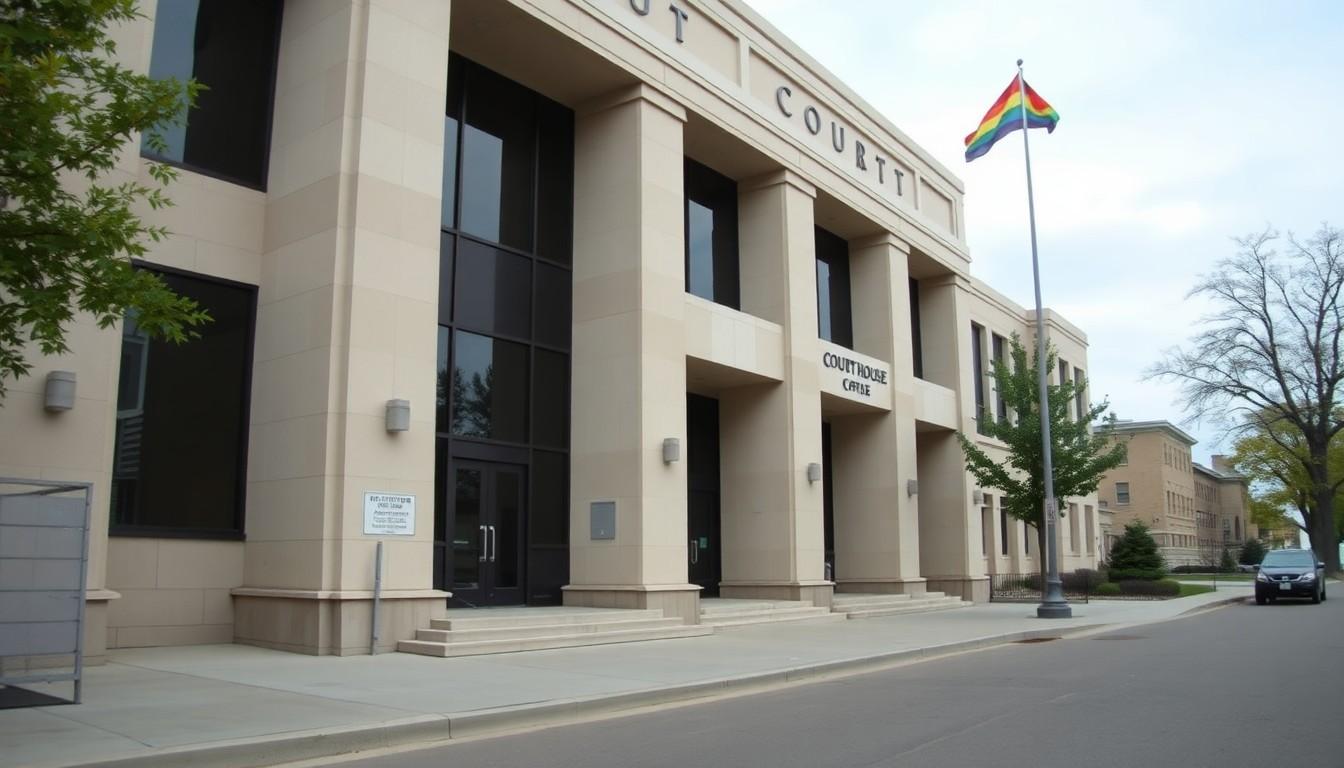
A Minnesota appeals court has upheld a harassment restraining order against an anti-transgender and anti-homosexuality campaigner who repeatedly posted about a local therapist, her family and Pride activities. The ruling highlights the uneasy line between protected religious commentary and targeted online conduct that can make people feel watched, exposed and unsafe.
Essential Takeaways
- The dispute: A local activist repeatedly referred to a therapist, her husband and children in online posts connected with Pride events and gender politics.
- The court order: The activist was barred from contacting, photographing or approaching the family, and from mentioning them in harassing posts.
- Why it mattered: The therapist said the campaign caused fear, extra security measures and changes to her work.
- The free-speech question: The Minnesota Court of Appeals concluded that the restrictions could stand because they addressed targeted harassment, not religious belief in general.
- The wider issue: The decision adds to a difficult legal debate over when online criticism becomes unlawful intimidation.
A Pride dispute moved from protest to personal targeting
The case began around an Itasca Pride festival in Minnesota, where the activist organised a competing prayer gathering at the same time and place. Online messages encouraged opposition to the festival and promoted what she described as traditional family values, according to the court record.
The dispute became more personal when photographs of the therapist's children were taken at the event. Later posts republished images from a Pride website, added hostile captions and identified the therapist as a local professional. The effect, the court found, was not simply political disagreement. It was a repeated focus on one family. [2], [3]
That distinction matters. People can object to Pride, transgender rights or LGBTQ+ education, however unpopular those views may be. But repeatedly naming individuals, sharing images of their children and connecting them with inflammatory accusations can create a very different kind of pressure. It turns a public argument into something that feels close, watchful and difficult to escape. [4]
What the Minnesota harassment order prohibits
The harassment restraining order prevents direct and indirect contact with the therapist and her children. It also bars visits, online contact, unauthorised photography and conduct that would reasonably make them fear physical harm.
The order further restricts the activist from going within 500 feet of the therapist's home or workplace. Crucially, the appellate court described the order as preventing repeated, targeted references to the family, while still allowing the activist to express her religious views more generally. [2], [5]
That is the court's central balancing act. The restriction isn't framed as a ban on opposing Pride or expressing Christian beliefs. Instead, it focuses on conduct directed at named people, particularly where the court believed the pattern had a substantial effect on their safety, privacy and sense of security. [6]
The family said the online campaign changed daily life
The therapist told the court that she became generally fearful for herself and her children. She installed cameras at home and on her vehicle, removed signs from her office, changed where she met clients and used telehealth to address concerns about safety.
Her children were also affected. The court record said they became more anxious about going out without a parent, worried that photographs might be posted online and questioned whether people around them might hate queer people. One child reportedly changed how they dressed because they feared being hurt or shamed. [2], [3]
Those details give the case its emotional weight. Online abuse can look fleeting to outsiders, especially when it appears as a series of posts among thousands. For the people named, though, the uncertainty can follow them into the school run, the workplace and the supermarket. [5]
Why the free-speech argument remains unsettled
The Minnesota Court of Appeals upheld the order after concluding that the conduct could fall within the state's legal definition of harassment. That definition covers repeated intrusive or unwanted acts, words or gestures that substantially affect, or are intended to affect, another person's safety, security or privacy.
The court also rejected the argument that the order improperly interfered with religious freedom or free speech. Its reasoning was that the order targeted harassment and privacy-invading conduct rather than belief itself. In practical terms, the activist could continue to discuss religion and political issues, but not use those issues as a route to repeatedly target this family. [2], [6]
The decision is unlikely to end the wider constitutional debate. Critics of broad speech injunctions argue that telling someone not to mention another person can become an impermissible prior restraint, even when the underlying dispute is heated. That concern is especially sharp online, where the difference between criticism, documentation and intimidation isn't always neat. [4], [7]
What this means for online disputes and local activism
For campaigners, community groups and local journalists, the ruling is a reminder that public-interest arguments don't automatically protect personal targeting. Posting about an event is one thing. Photographing children, identifying family members and repeatedly attaching hostile commentary is another, particularly when the people involved can show a sustained impact on their privacy or safety.
For anyone facing a similar campaign, keeping records matters. Save posts, dates, screenshots, photographs and messages, and report threats or unwanted contact through the relevant platform and local authorities. A clear timeline can help distinguish one offensive comment from a pattern of conduct. [3], [5]
The case also offers a caution for families involved in polarised local politics. Public participation brings visibility, but children shouldn't become props in an adult fight. That principle feels obvious; the hard part is deciding how far the law should go when online speech crosses into personal surveillance and fear. [2], [6]
The ruling shows how quickly a local culture-war dispute can become a legal battle over privacy, speech and safety.
Explore the facts carefully before drawing your own line between protest and harassment.
Source Reference Map
Story idea inspired by: [1]
Sources by paragraph: