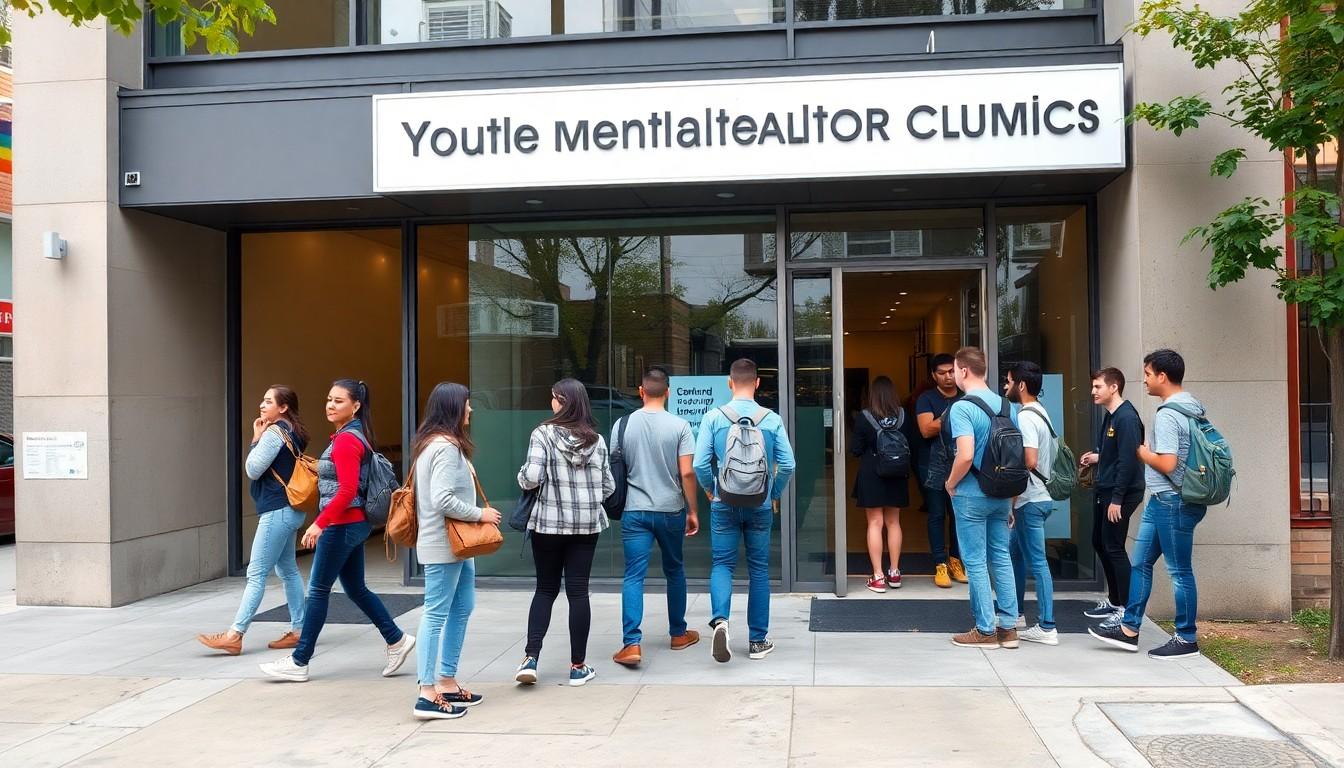
Young LGBTQ+ people are facing rising discrimination, housing insecurity and mental health pressures across the United States, but new research also points to a clear protective force: acceptance. The findings matter to families, schools and communities because practical support, affirming care and trusted connections can make a meaningful difference when a young person feels isolated or overwhelmed.
Essential Takeaways
- Discrimination is rising: More transgender, non-binary and questioning young people reported unfair treatment during the study period.
- Conversion therapy is especially dangerous: Exposure or threats were linked with a substantially higher risk of suicidal thoughts or behaviour.
- Support can help: Mental health care, affirming resources and welcoming relationships were associated with better outcomes.
- Young people often turn to peers: Friends were among the most common sources of help during a suicidal crisis.
- Urgent help is available: In the US, call or text 988 for the Suicide & Crisis Lifeline, or contact The Trevor Project through its 24/7 services.
Discrimination is shaping an already difficult landscape
The latest two-year findings from Project SPARK paint a troubling picture. The study has followed nearly 1,700 LGBTQ+ people aged 13 to 24, tracking their experiences and wellbeing over repeated surveys.
According to HealthDay, discrimination reported by transgender, non-binary and gender-questioning participants rose during the research period. Reports of being blocked from using a gender-affirming bathroom also increased among transgender young people, adding another everyday pressure to an already tense environment.
The effect isn't abstract. Anxiety and depression both became more common, while suicidal thoughts remained prevalent, affecting roughly two in five participants. Behind those percentages are young people trying to study, work and build relationships while repeatedly being told, directly or indirectly, that they don't belong.
Conversion therapy and housing insecurity stand out
Some experiences were associated with particularly serious risks. Young people who had been exposed to, or threatened with, conversion therapy faced nearly three times the risk of suicidal thoughts or behaviour, the report found.
Housing insecurity and victimisation related to gender identity were also strongly linked with self-harm or suicidal thinking. The Trevor Project's research on discrimination and mental health among LGBTQ+ young people of colour adds another important layer, showing why identity, racism and access to resources can't be treated as separate issues.
For families and professionals, the practical lesson is straightforward: ask about safety, housing and coercive treatment, not just mood. A young person may say they're anxious when the deeper problem is harassment, nowhere stable to sleep or pressure to change who they are.
Supportive spaces can act as a buffer
The news isn't entirely bleak. The report found that many LGBTQ+ young people received the mental health care they wanted, and the proportion describing that care as helpful rose sharply. Access to gender-affirming resources, including binders and clothing, also improved among transgender participants.
The American Psychological Association has highlighted the importance of affirming, culturally responsive mental health support for LGBTQ+ people. That support doesn't need to be dramatic to matter. A respectful GP, a school bathroom policy that works in practice, or an adult who uses the right name can turn a hostile day into a manageable one.
Research from The Trevor Project also suggests that feeling connected to one's LGBTQ+ identity can interact with experiences of discrimination and suicide risk in complex ways. The goal isn't to make young people less visible or less themselves, but to ensure identity is met with pride, safety and choice rather than punishment.
Friends, colleges and communities have a role
During suicidal crises, friends were a leading source of help, while helplines were also widely used. Yet nearly a third of participants said they sought help from nobody. That quiet gap is where gentle, repeated check-ins can matter most.
Supportive colleges may reduce LGBTQ+ students' suicide risk, according to reporting by Inside Higher Ed. Schools and universities can help by making counselling easy to reach, training staff, protecting students from harassment and ensuring policies are more than reassuring words on a website.
For friends, the best response is often calm and direct. Listen without judgement, ask whether the person is safe, and help them reach a trusted adult or crisis service. You don't have to solve everything yourself, but you shouldn't leave someone carrying the danger alone.
What families and carers can do now
Start with the basics: believe the young person, use the language they ask for, and make home as predictable and accepting as possible. If they're showing signs of distress, help arrange care with a clinician who understands LGBTQ+ health rather than treating identity itself as the problem.
Watch for practical warning signs, including withdrawal, sudden housing problems, self-harm, threats from others or talk of being a burden. If there's immediate danger in the US, call or text 988. The Trevor Project also offers confidential crisis support for LGBTQ+ young people by phone, text and online chat.
The research offers a sobering reminder, but also a useful one. Acceptance isn't a vague feel-good extra; it can be part of a real safety plan.
It's a small act of welcome that can carry enormous weight.
Source Reference Map
Story idea inspired by: [1]
Sources by paragraph:
- Paragraph 1: [2], [7]
- Paragraph 2: [2], [4]
- Paragraph 3: [2], [5]
- Paragraph 4: [2], [5]
- Paragraph 5: [2], [3]
- Paragraph 6: [2], [4]
- Paragraph 7: [3], [4]
- Paragraph 8: [2], [6]
- Paragraph 9: [2], [6]
- Paragraph 10: [2], [3]
- Paragraph 11: [2], [4]
- Paragraph 12: [2], [7]
- Paragraph 13: [2], [3]
- Paragraph 14: [2], [6]
- Paragraph 15: [2], [3]
- Paragraph 16: [2], [4]
- Paragraph 17: [2], [5]
- Paragraph 18: [2], [7]