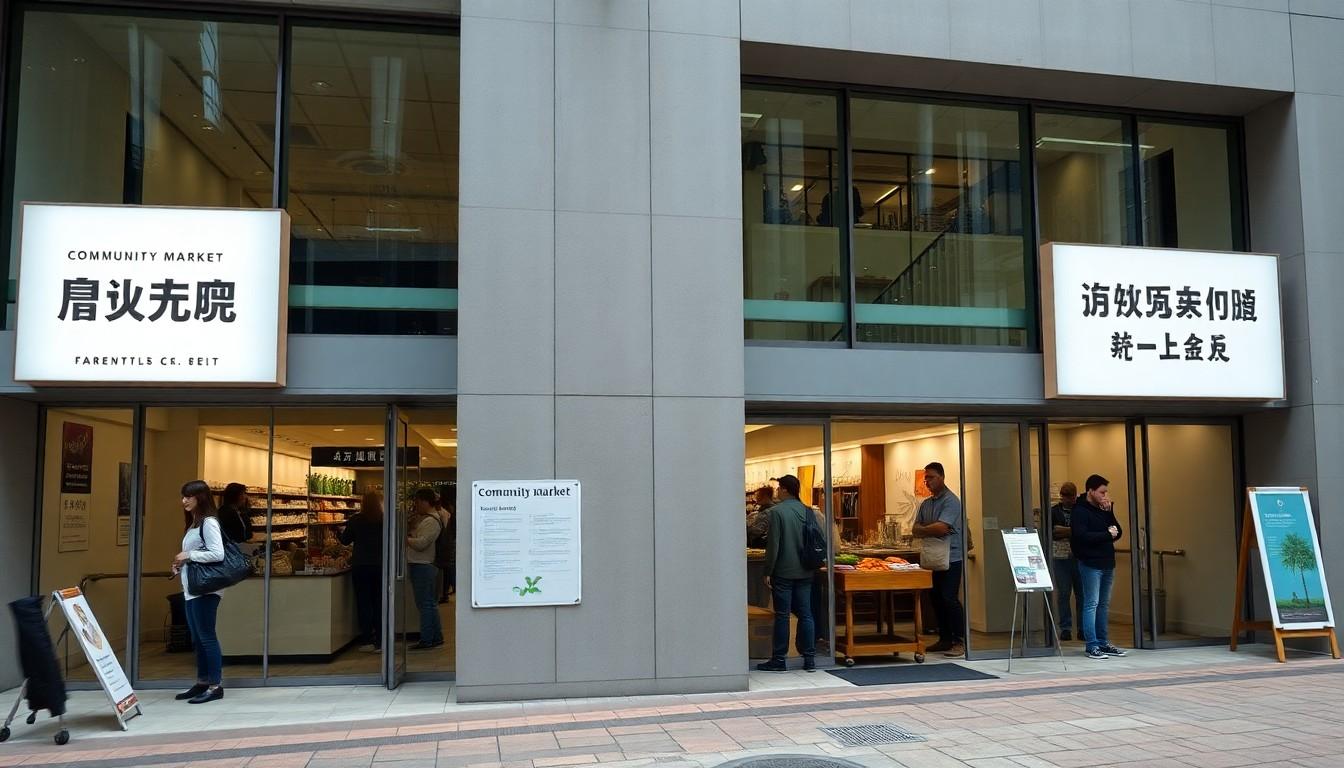
Organisers of Hong Kong's Rainbow Market are moving the member event indoors and delaying it by two weeks after difficulties securing a suitable private venue. The change means a smaller space, revised programming and fewer grand set pieces, but the organisers say they still want the gathering to offer a visible, welcoming platform for LGBTQ+ communities and allies.
Essential Takeaways
- The event is delayed: Organisers chose a two-week postponement rather than cancel plans altogether.
- The venue has changed: The new indoor location is smaller, so visitor capacity and the programme remain under review.
- Performances may be reshaped: Planned singing, dancing, talks and interactive sessions will need to fit the tighter layout.
- The mood is mixed: Organisers are disappointed, particularly after preparing large props, but remain determined to hold the market.
- Support can be practical: Allies can help by attending, sharing information and backing LGBTQ+ inclusion in everyday life.
A smaller venue means a very different Rainbow Market
The biggest change is physical. A market once imagined with more room for performances and public interaction will now take place indoors, where every table, queue and audience member will matter.
That has left the organising team frustrated. Large props had already been prepared, while guests were expecting to contribute performances and conversations. With less floor space available, some of that work may no longer be usable, creating the sort of logistical headache that no amount of colourful bunting can solve.
Organisers are now discussing the venue's capacity and plan to decide the attendance limit after reviewing registration numbers.
Why the event was postponed rather than cancelled
A further delay was considered while the team tried to obtain the necessary approval, but many participants travelling from mainland China and overseas had already bought tickets. The organisers also had to balance planning with their own jobs and other responsibilities.
That made a two-week postponement the most workable option. According to the event organisers, the decision preserves an opportunity for people to meet while avoiding a last-minute collapse that would have left visitors and performers in difficulty.
It also shows how fragile community events can become when a venue changes late in the process. Even a modest alteration can affect travel, staffing, programme timing, insurance, equipment and crowd management all at once.
From outdoor hopes to an indoor compromise
The organisers had hoped to hold this year's gathering outdoors, but the final arrangement moves it inside. One organiser described the shift as going from daylight to artificial light, a vivid way of capturing the disappointment without disguising the practical reality.
The change follows a wider pattern of uncertainty around LGBTQ+ events in Hong Kong. The organisers pointed to last year's planned inclusion festival at Kwun Tong waterfront, which could not use its scheduled site, while a Rainbow Market held at The Wave on the same day went ahead.
Meanwhile, organisers of Pink Dot HK have also faced difficulty securing outdoor venues, according to reports about LGBTQ+ community events in the city. The result is an uneasy question for campaigners: official procedures may appear open, while private venue arrangements can still prove unexpectedly difficult.
What visitors should expect from the revised format
Anyone planning to attend should check the organiser's latest announcements before travelling. The final capacity, registration arrangements and programme may depend on the number of people who sign up, and an indoor setting could mean controlled entry or shorter sessions.
The programme itself is also likely to be adjusted. Performances, sharing sessions and interactive activities may need a more compact format, with fewer simultaneous events and less room for lingering. That isn't necessarily a bad thing, though: smaller gatherings can feel more personal, provided queues and ventilation are handled well.
Visitors should also allow extra time at the entrance and avoid assuming that every advertised activity will run exactly as first planned. In a changing event, flexibility is a kindness to both organisers and fellow attendees.
Visibility does not always require a stage
This year's theme focuses on taking another step and laying the groundwork for greater visibility. Organisers have stressed that visibility does not have to mean publicly revealing one's identity.
That distinction matters. Support can appear in quieter forms, such as challenging casual prejudice, sharing reliable information, respecting people's chosen identities or making workplaces and social groups more welcoming. A smaller market may reach fewer passers-by, but it can still strengthen the network around the community.
The organisers' determination is perhaps the most important part of the story. They have had to scale back the setting, rethink the entertainment and accept unused preparations, yet they are still trying to make the event happen. Sometimes inclusion advances not with a grand outdoor spectacle, but with people rearranging the room and showing up anyway.
A smaller stage can still make a meaningful statement.
Source Reference Map
Story idea inspired by: [1]
Sources by paragraph: