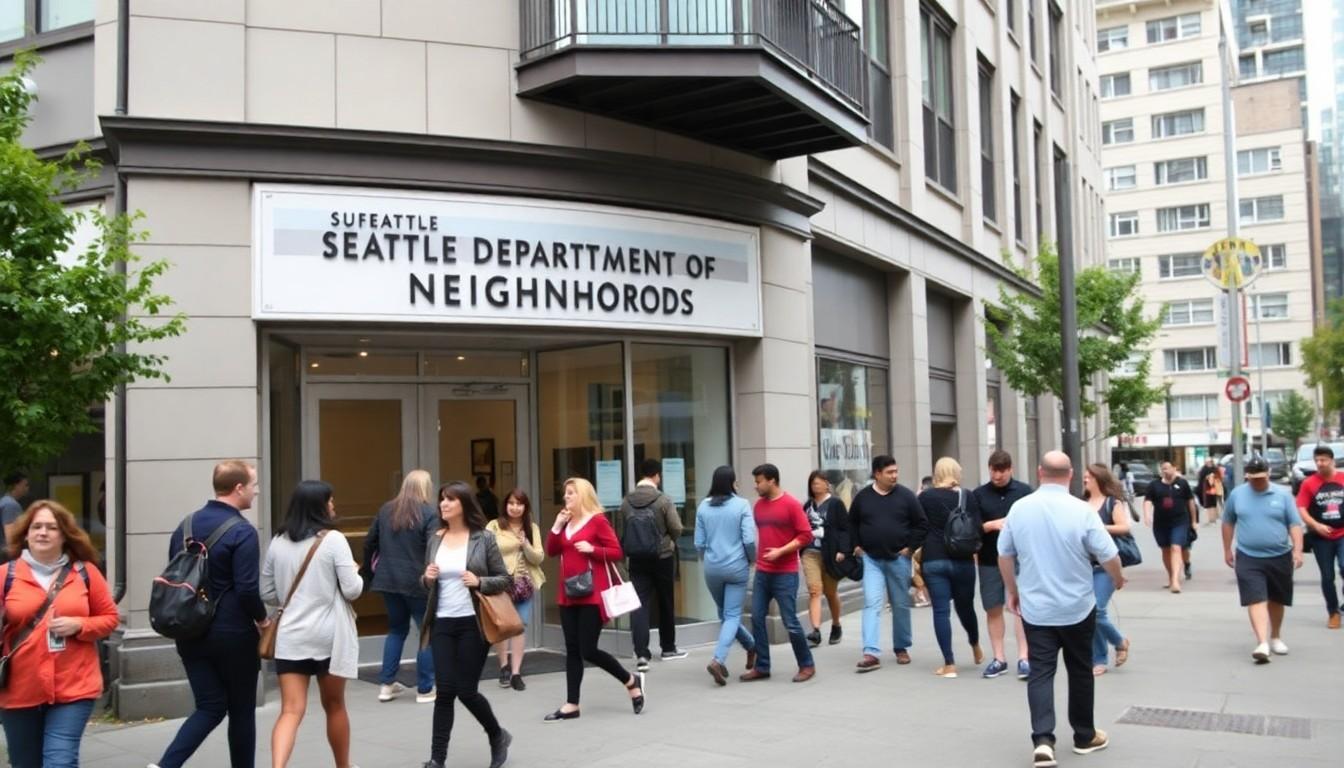
Seattle's trans community is building more than a festival calendar. Through Trans Pride Seattle, Gender Justice League and local partners, residents are creating welcoming spaces where people can connect, feel seen and take part in city life. Here's why these community-led events matter, and how visitors and neighbours can show meaningful support.
Essential Takeaways
- Trans Pride Seattle brings people together: The annual event creates a celebratory space for trans people, gender-diverse residents and allies.
- Community support goes beyond one weekend: Groups offer advocacy, practical help, social gatherings and year-round connection.
- Local investment matters: Public funding and partnerships can help community organisations turn ideas into accessible events.
- Visibility should come with care: Flags, pins and public celebrations can signal welcome, but sustained resources are just as important.
- Everyone can participate: Attending respectfully, donating or supporting inclusive local businesses are simple ways to help.
Trans Pride Seattle offers more than a day out
The most powerful part of Trans Pride Seattle isn't necessarily the music, colour or lively crowd. It's the quieter feeling of arriving somewhere and no longer needing to explain yourself.
According to Seattle Department of Neighborhoods, Gender Justice League's Kai describes that sense of belonging as finally being able to breathe normally. It's a small, beautifully human detail, but it explains why community events can matter so much. A festival isn't just a date in the diary when it gives people room to relax, meet others and feel at home.
Trans Pride Seattle has been running since 2013, with the event drawing trans people and allies to Volunteer Park. Its programme and purpose centre trans community, culture and connection, rather than treating trans lives as a talking point. The official Trans Pride Seattle programme provides the practical event details.
Why community-led support makes a difference
Seattle's LGBTQ+ scene is often associated with its Pride celebrations, nightlife and welcoming neighbourhoods, but the strongest networks are built throughout the year. Seattle Pride and Visit Seattle both highlight the city's broad range of LGBTQ+ events, organisations and businesses, giving visitors plenty of ways to engage beyond a single celebration.
That wider ecosystem matters because not everyone arrives at a festival looking for the same thing. One person may want a busy public gathering, while another might prefer an art event, book club, support service or smaller social meet-up. Gender Justice League's work spans both community connection and practical advocacy, according to the organisation's website.
There is something reassuring about that mix. Celebration lifts the spirits, but advice on changing names or gender markers, safety support and access to services can make everyday life more manageable. Together, those forms of support create a sturdier sense of belonging.
A welcoming event still needs thoughtful support
For allies, attending Trans Pride Seattle is a positive start, but respectful participation doesn't have to be complicated. Listen more than you speak, don't ask intrusive questions, and avoid treating someone else's identity as a conversation starter unless they've invited it.
The event's official information is the best place to check programme details, accessibility guidance and any updates before travelling. That practical step can make the day smoother, particularly for people who need information about transport, entrances, quiet space or timings.
It also helps to support the organisations doing the work when the banners come down. A donation, recurring contribution, volunteer shift or sponsorship from a local business can provide more lasting value than a one-off social media post. As Gender Justice League's work shows, community care is often practical, patient and not especially glamorous, but it makes a real difference.
Seattle's Pride calendar keeps growing
Trans Pride Seattle sits within a wider collection of events that help trans and LGBTQ+ residents find one another. The organisation's programme page offers a snapshot of the event's public-facing activity, while its background information explains the community focus behind the gathering.
For visitors, Visit Seattle's LGBTQ+ guide is a useful starting point for exploring inclusive venues and Pride-related experiences across the city. Seattle Pride's event listings can also help people compare dates and discover other opportunities to connect. The result is a more flexible calendar, with options for those who prefer a big celebration and those who favour a quieter afternoon.
That variety is important. A thriving community shouldn't depend on one annual gathering to carry all the weight. It should have regular places to meet, make friends, share knowledge and enjoy ordinary city life without being made to feel like a guest.
The next step is showing up all year
Seattle Department of Neighborhoods says its community investments are intended to help residents shape the places they call home. Support for groups including Gender Justice League, Lavender Rights Project and UTOPIA reflects a broader idea: local communities often know best what they need, provided they have the resources to act.
There is a useful lesson here for anyone who wants to be supportive. Look for the organisations led by the people they serve, check what help they actually need, and choose consistent action over occasional grand gestures. Sometimes that means attending an event; sometimes it means buying from an inclusive local business or quietly sharing a reliable service with someone who needs it.
A welcoming city is built in ordinary moments, too: a friendly introduction, a safe workplace, a visible sign of support or a neighbour willing to listen. Those gestures may look small, but together they make it easier for people to exhale.
Explore Trans Pride Seattle's latest programme and find a way to support trans community life beyond Pride season.
Source Reference Map
Story idea inspired by: [1]
Sources by paragraph: