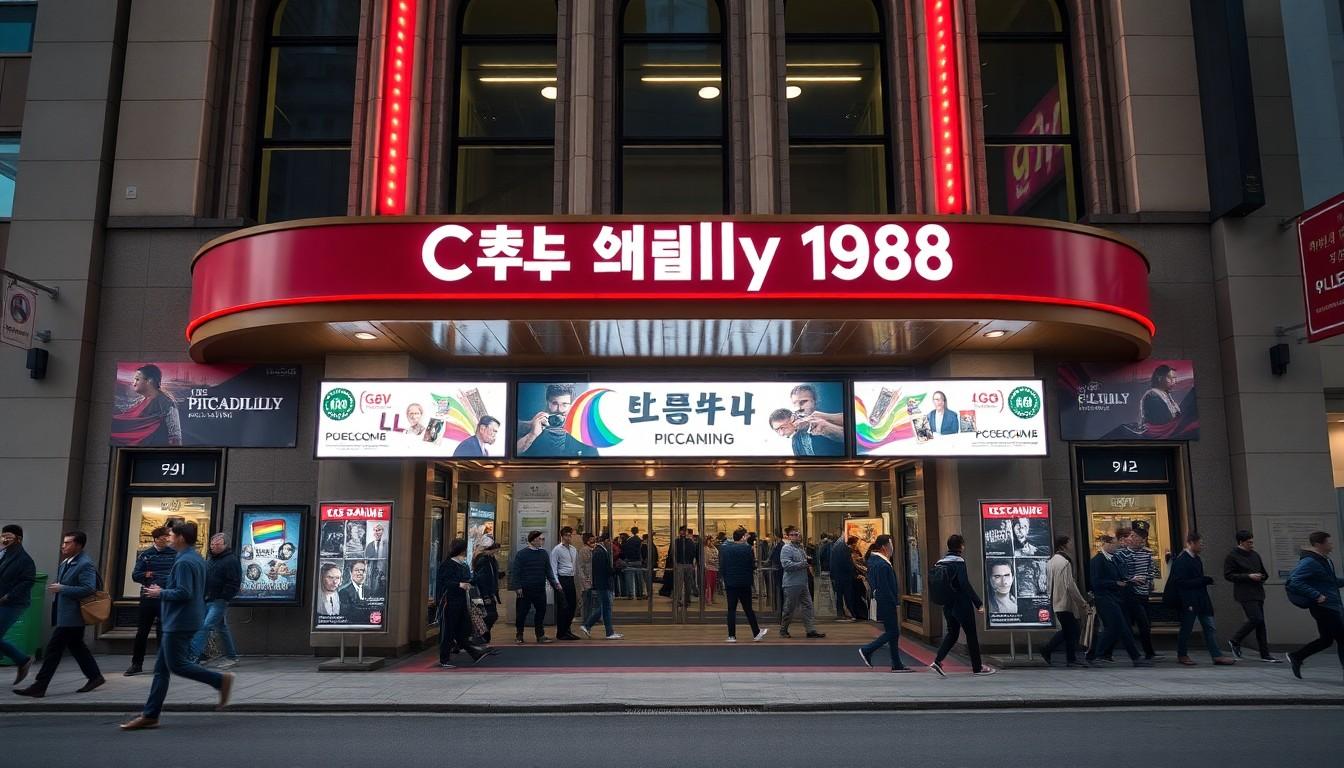
Film lovers are heading to CGV Piccadilly 1958 in Seoul from 5 to 11 November for the 16th Seoul International Pride Film Festival, where 116 films from 34 countries will screen. With 67 Korean premieres, two strong feature debuts and a broad programme of queer cinema, this year's event offers plenty to discover.
Essential Takeaways
- Dates and venue: The festival runs from 5 to 11 November at CGV Piccadilly 1958 in Seoul.
- Big international line-up: It features 116 films from 34 countries, including 30 world premieres.
- Opening film: Black Ball explores three gay men's lives across different eras.
- Closing film: Strange Family follows a lesbian couple and their two daughters as divorce approaches.
- Tickets: Online bookings open through the CGV website and mobile app.
Seoul's queer cinema showcase is expanding
The strongest headline is the sheer range. This year's Seoul International Pride Film Festival brings together 116 films from 34 countries, giving audiences a chance to move from intimate personal stories to bigger, more stylistically adventurous work in a single week.
There are 67 films making their first appearance in South Korea, including 30 world premieres, 18 Asian premieres and 17 Korean premieres. That makes the event particularly appealing for viewers who like finding films before they become part of the wider festival conversation.
Two very different films frame the festival
Opening the programme is Black Ball, co-directed by Javier Calvo and Javier Ambrossi. Inspired by unfinished writing by Spanish poet Federico Garcia Lorca, the film follows three gay men living in different periods, linking private desire with changing social realities.
The closing film, Strange Family, is the first feature from Korean director Kim Ji-hyun. It focuses on a lesbian couple preparing to divorce and the effect of that upheaval on their two daughters. It's a quieter-sounding premise, but family stories often carry the sharpest emotional punch.
From new discoveries to international favourites
The programme is divided into several strands, so choosing what to watch shouldn't feel like searching through a completely unmarked map. New Pride includes The Elephant in the Fog and Ivan and Hadoum, while World Pride brings in titles such as Big Girls Don't Cry.
Asia Pride adds The Witch of Bihar, offering another route into regional queer storytelling. These strands also underline how varied the festival has become, with films reflecting different languages, cultures and approaches to identity.
Korean films take centre stage
Korean Pride is one of the most substantial sections, featuring 20 short films in competition, another 20 outside competition, three mid-length films and two features. For audiences keen to follow emerging local directors, this could be the programme to prioritise.
The Open Pride strand, themed around transgender people becoming protagonists, also promises a valuable shift in perspective. Rather than treating trans characters as background figures, the programme places their experiences at the heart of the stories.
How to plan your festival visit
Online ticket sales begin at 4pm on 23 October through the CGV website and app. If you're hoping to see a premiere, the opening or closing film, booking early is sensible, particularly when a programme contains this many first screenings.
There are also special programmes marking 140 years of diplomatic relations between France and Korea, including 13 French queer films, alongside restored-film screenings. A practical approach is to choose one or two must-see titles first, then leave room for a short film block. That's often where the unexpected favourites are hiding.
For many viewers, the appeal is simple: a week of films that make space for stories still too rarely given a cinema screen. The festival's broad selection should give both regular attendees and first-timers plenty to talk about on the journey home.
It's a packed week of queer cinema, so book early and follow the films that spark your curiosity.
Source Reference Map
Story idea inspired by: [1]
Sources by paragraph: