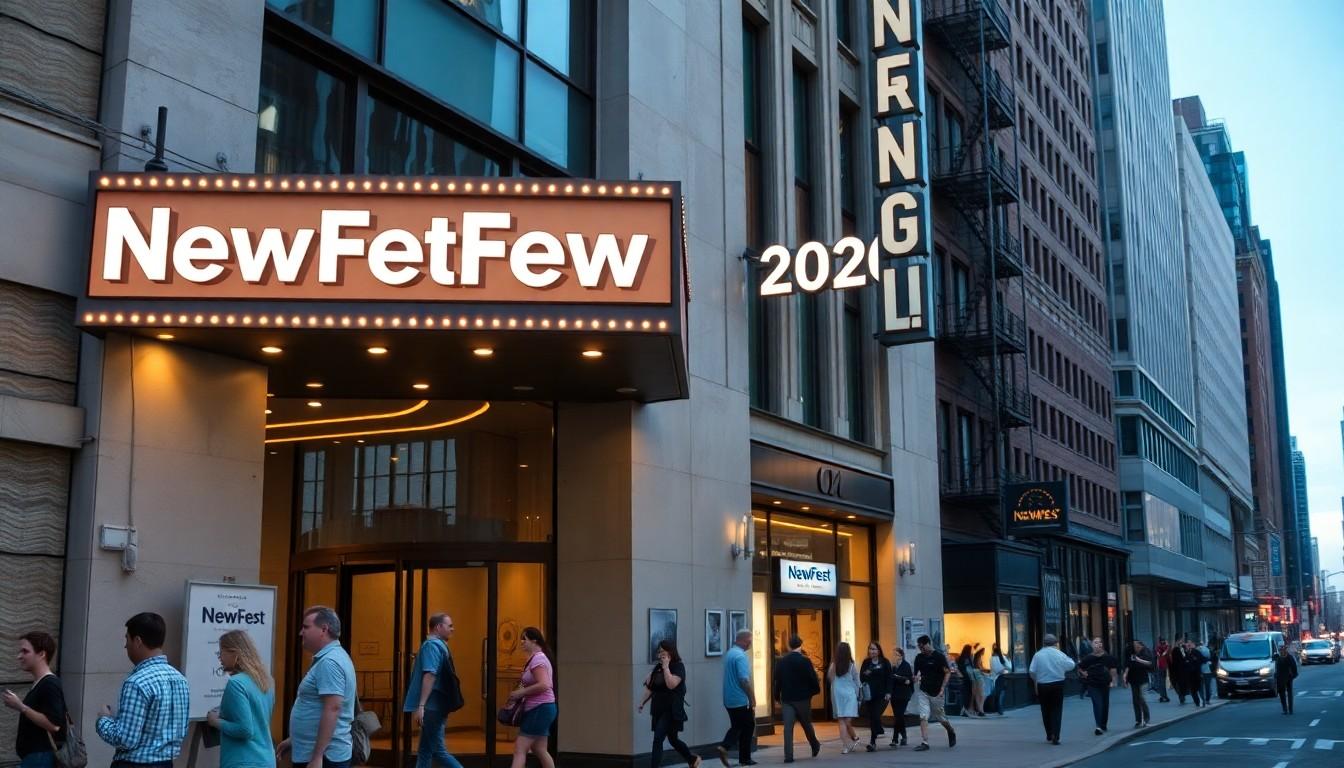
Film fans across the US could experience NewFest’s 32nd New York LGBTQ Film Festival from 16 to 27 October 2020, with more than 120 films, online events and carefully chosen drive-in screenings. The virtual format opened the festival to a national audience while keeping New York’s queer history and creative community firmly at its heart.
Essential Takeaways
- A national virtual festival: Ticket holders could stream more than 120 films across the US.
- A starry opening night: Kate Winslet and Saoirse Ronan led the New York premiere of Ammonite.
- A varied programme: The line-up included narrative films, documentaries, episodic work and shorts.
- A strong representation focus: Women and non-binary directors accounted for 63% of the films.
- A hybrid viewing experience: Audiences could choose online screenings or selected drive-in events in Queens.
NewFest took queer cinema beyond New York
The biggest change was also the most practical. Instead of asking audiences to travel across the city, the 2020 festival brought its programme to homes nationwide through NewFest’s on-demand platform. According to BroadwayWorld, the online edition was planned alongside live digital events and limited drive-in screenings, giving the festival a softer, more flexible feel than a conventional cinema run. [5]
That mattered in a year when cultural events were being reshaped almost overnight. Viewers could move between a documentary, a feature premiere and a discussion without leaving the sofa, while New York itself remained visible through introductions filmed at LGBTQ+ landmarks, community organisations and queer-owned businesses. It was a thoughtful way to make the city feel present, even at a distance. [7]
Kate Winslet opened a particularly ambitious line-up
NewFest began with the New York premiere of Ammonite, Francis Lee’s period drama starring Kate Winslet and Saoirse Ronan. The Queens Drive-In screening at Flushing Meadows Corona Park also gave Winslet the chance to present Lee with the festival’s inaugural World Queer Visionary Award, adding a little red-carpet electricity to an otherwise screen-led event. [4]
The programme closed with Faraz Shariat’s No Hard Feelings, the Teddy Award-winning German film. Between those bookends came an unusually broad selection, from François Ozon’s sunlit romance Summer of 85 to Shiva Baby, Rurangi and the documentary Keith Haring: Street Art Boy. [2]
For anyone searching for the best LGBTQ films to watch online in 2020, this was an appealing mix of established filmmakers, emerging voices and films that had already generated festival buzz. It wasn't all solemn, either. Romance, comedy, family tension and youthful chaos sat comfortably beside more urgent political stories.
The festival balanced premieres with community history
NewFest’s 32nd edition included 24 narrative features in competition, 14 documentary features, episodic showcases and ten shorts programmes. The festival also highlighted one world premiere, an international premiere, two US premieres and a special preview, giving viewers plenty of discovery alongside the better-known titles. [3]
One especially inventive entry was Nora Highland, a film made entirely on computers during the pandemic. Its story examines the casting process around a famous gay character in a new Broadway production, and the online screening was followed by a conversation with director Ryan Spahn and actor Michael Urie. [6]
The programme also looked backwards. A 25th anniversary screening of Bloodsisters: Leather, Dykes, and Sadomasochism revisited a landmark documentary about San Francisco’s leather community, which had previously premiered at NewFest in 1995. That link between archival work and new cinema made the festival feel less like a seasonal showcase and more like a living conversation.
Representation was built into the programme
The figures behind the line-up were striking. NewFest said 63% of its films were directed by women and non-binary filmmakers, while 76% focused on or came from underrepresented voices, including people of colour, trans and bisexual filmmakers, and disabled communities. [4]
That approach could be seen across the programme, from trans-led drama Rurangi to films centred on Black LGBTQ+ lives, international activism and intergenerational memory. The festival also partnered with New York City’s Department of Education on a shorts programme for LGBTQ+-identified high school students, creating a clear route for younger viewers into queer cinema. [2]
It’s the sort of programming choice that does more than diversify a brochure. It changes which stories feel central, who gets to be complicated on screen and whose history is treated as worth preserving.
How audiences could choose what to watch
Virtual film tickets cost $12, or $10 for members, while all-access passes started at $95. Drive-in tickets began at $45 per car, making the Queens screenings a more social option for viewers who missed the atmosphere of a shared cinema. [3]
The simplest strategy was to build a shortlist before pressing play. Start with the opening and closing films if you wanted the festival’s headline titles, then add a documentary, a short-film programme and one international discovery. Viewers who prefer live conversation could prioritise the panels and Q&As, while those watching with family or friends might find the shorter programmes easier to fit around a busy evening.
The festival also chose not to schedule a Spotlight film on the night of the US presidential debate, encouraging audiences to follow the political event instead. It was a small but revealing decision: NewFest wasn't treating cinema as separate from public life.
NewFest’s 2020 edition showed how an LGBTQ film festival could remain intimate, political and joyful while reaching far beyond its usual geography. For viewers, it offered a rare chance to explore queer stories at their own pace, with New York still humming in the background.
Explore the films that speak to you, then make room for one unexpected discovery.
Source Reference Map
Story idea inspired by: [1]
Sources by paragraph: