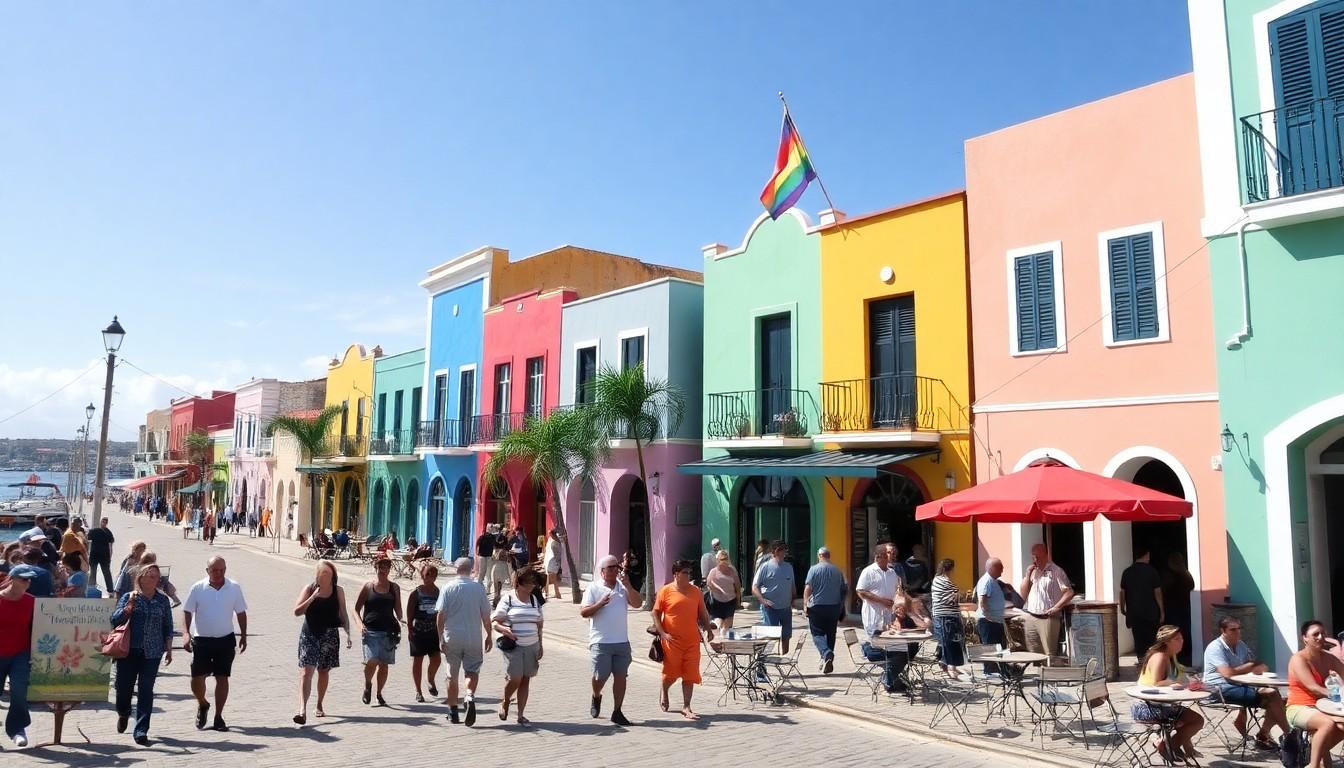
Travellers are discovering Curaçao as more than a beach escape, with colourful Willemstad, welcoming Pride events and clear Caribbean waters offering an easy mix of culture, community and adventure. For LGBTQ+ visitors, the island’s 2026 Pride programme adds extra energy to a destination already known for its relaxed atmosphere, vivid architecture and broad appeal.
Essential Takeaways
- Willemstad is the cultural heart: Explore Punda, Otrobanda and the glowing waterfront around the Queen Emma Bridge.
- Pride goes beyond the parade: The 2026 programme includes brunches, art events, mixers, nightlife and community gatherings.
- The island rewards curiosity: Local food, Papiamentu phrases, galleries and neighbourhood walks reveal Curaçao beyond the resorts.
- West-coast adventures are easy to add: Renting a car opens the way to coves, snorkelling spots and striking coastal views.
- Everyone can find a pace: Curaçao works for beach lovers, culture hunters, foodies and travellers seeking LGBTQ+ community.
Why Curaçao feels different from a typical Caribbean break
The first impression is almost impossibly colourful. Willemstad’s pastel waterfront buildings catch the light, turquoise water surrounds the island and the streets carry a lively blend of Caribbean, European, African and Latin American influences.
That mix is central to Curaçao’s appeal as a welcoming LGBTQ+ destination. The island’s official tourism messaging presents it as a place where visitors can feel at home, while Pride programming gives that sense of openness a visible, celebratory focus.
Still, the best way to understand the island is to leave the resort behind. Wander through a quiet lane, pause at a small cafe or browse a locally owned shop, and Curaçao begins to feel less like a postcard and more like a place with its own rhythm.
Willemstad serves up colour, history and easy wandering
Punda is the familiar face of Willemstad, with its waterfront facades and bustling streets. Across the harbour, Otrobanda brings a different mood, mixing historic buildings with restaurants, murals and independent businesses.
The Queen Emma Bridge links the two districts, floating across the water and swinging aside when boats need to pass. It’s a simple experience, but one that feels wonderfully cinematic, particularly when the buildings shimmer after sunset.
There’s no need to over-plan a day here. Walk, stop for a drink, admire the architecture, then cross the bridge and start again. That unhurried approach also leaves room for the island’s smaller cultural details, including its multilingual character and the distinctive sound of Papiamentu.
Pride 2026 offers more than one big weekend moment
Curaçao Pride’s 2026 programme is designed for different kinds of travellers rather than just parade spectators. The official schedule includes a Pride week, a parade and a spread of social and cultural events, creating several ways to join in.
The calendar also features gatherings such as the Mondi Morning Club Pride edition and the Vobu Pride Brunch. These daytime events matter because they broaden the experience beyond late-night parties, making space for conversation, food and a more relaxed sense of community.
The parade itself brings Pride into central Willemstad, with the historic waterfront providing an unusually vivid setting. For visitors, that combination of visibility and scenery is hard to miss. It’s festive, certainly, but it also places LGBTQ+ celebration directly within the life of the city.
Eat, browse and listen your way around the island
Food is one of the quickest routes into Curaçao’s character. Menus may move between Caribbean ingredients, fresh seafood, Dutch influences and Latin American flavours, often within the same meal. The result is colourful and varied rather than neatly defined.
Travellers should also make time for the island’s creative scene. Pride events linked to galleries and arts spaces offer a chance to meet local artists and see a side of Curaçao that a resort itinerary can easily overlook.
A few Papiamentu words can help, too. Even a simple greeting or the much-loved word dushi can make interactions feel warmer. You don't need to become fluent; a little effort often opens the door to more natural conversations.
Plan a west-coast escape between Pride events
Curaçao is dotted with beaches and coves, so the island suits visitors who enjoy exploring rather than settling beside one long sweep of sand. A hire car makes it easier to head west, where rugged scenery, bright water and excellent snorkelling create a different kind of holiday rhythm.
The clear Caribbean sea is the obvious star, whether you're swimming, floating or watching marine life below the surface. Build in plenty of time for stops, because the temptation to pull over at one more viewpoint is very real.
For a longer LGBTQ+ holiday, the most satisfying plan may be a flexible one: culture in the morning, water activities in the afternoon, dinner in Willemstad and a Pride gathering after dark. That variety is precisely what makes Curaçao feel more substantial than a conventional resort break.
The best trips leave room for unexpected memories
Water-based experiences can add another layer to the island’s appeal. Dolphin encounters, for example, offer visitors a close look at the intelligence and movement of these highly social animals, although responsible operators and animal-welfare standards should always be part of the decision.
The wider lesson is that Curaçao works best when it isn't reduced to a checklist. You might arrive for Pride, then remember the bridge at dusk, a surprising dish, a gallery visit or the quiet beauty of a remote cove just as vividly.
That balance of visibility, culture and adventure gives the island its staying power. Curaçao doesn't ask LGBTQ+ travellers to choose between a meaningful community experience and a classic Caribbean holiday; it makes room for both.
It's a small island with plenty of ways to make the trip feel entirely your own.
Source Reference Map
Story idea inspired by: [1]
Sources by paragraph: