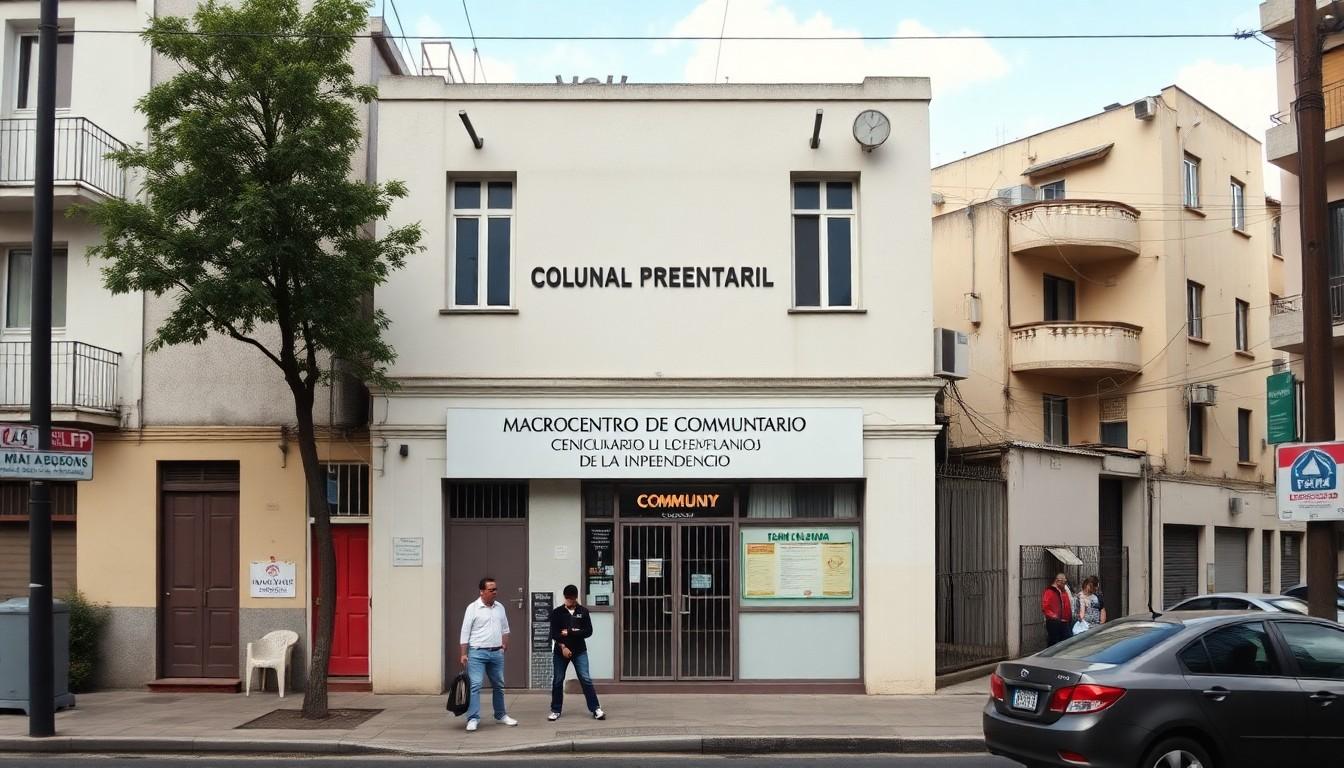
Visitors are discovering a lively drag king workshop in Monterrey's Independencia neighbourhood, where make-up, movement and northern Mexican swagger come together inside a recently reopened community centre. The project matters because it creates a rare, practical space for queer expression in an area shaped by steep streets, social tension and a powerful sense of local identity.
Essential Takeaways
- A reopened venue: The Macrocentro Comunitario Bicentenario de la Independencia returned in 2024 with expanded community services.
- The workshop's focus: Participants learn facial styling, character work, voice, posture and performance.
- Safety comes first: Instructors stress purpose-made garments and caution with adhesives, rather than relying on improvised materials.
- A local tradition, reworked: Drag king performance draws on older male impersonation while adding humour, music and contemporary queer identity.
- Visibility has context: Monterrey has seen both resistance to drag events and strong support for queer performers.
A community centre becomes a stage
Getting to Independencia isn't effortless. The streets climb sharply, cables hang overhead and the hills seem to press close around the neighbourhood. Yet inside the Macrocentro Comunitario Bicentenario, the atmosphere is softer: folding chairs, borrowed mirrors and a table covered with thread, make-up and tools for transformation.
The centre reopened under Nuevo Leon's Secretariat of Equality and Inclusion and includes the state's first care centre, according to government information. Local coverage from Posta and El Porvenir also described the venue's return as part of a wider effort to restore accessible services in the neighbourhood.
That setting gives the drag king workshop extra weight. This isn't a polished theatre tucked away in a cultural district. It's a community room where people arrive cautiously, then begin experimenting with the freedom to take up space.
From a thread moustache to a fully formed character
The first lessons are practical and slightly chaotic. Black thread becomes sideburns, make-up adds artificial angles to the face and voices drop into deliberately theatrical registers. The adhesive may be stubborn, but the mood is playful, with mistakes treated as part of the craft rather than a reason to retreat.
Participants also build characters with names, histories and attitudes. One performer becomes Don Chuy Mostacho, a mariachi-flavoured figure with a poetic streak, while another develops Johnny Escarcha, a flamboyant heart-throb whose styling leans into old-fashioned glamour.
The key lesson isn't simply how to look masculine. It's how to communicate a character through posture, timing and presence. Shoulders move back, feet plant firmly and the voice comes from the body. In other words, the performance is as much about confidence as it is about a convincing moustache.
Why drag kings feel especially striking here
Drag king performance has roots in nineteenth-century variety theatre, but today's artists use it to play with gender, regional identity and social expectations. In Monterrey, that can mean turning familiar symbols, such as boots, belts and a tough northern stance, into something knowingly theatrical.
Music helps bridge the gap between the everyday and the stage. The workshop's soundtrack draws on Mexican popular music and the flamboyant influence of Locomia, whose fans and choreography bring a flash of camp to the room. The result is not a rejection of local masculinity so much as a playful remix of it.
That contrast is part of the appeal. A performer can borrow the posture of a stern office worker, the swagger of a ranchero or the melodrama of a wounded singer, then exaggerate each detail until the character becomes both comic and revealing.
Monterrey's complicated relationship with queer visibility
The workshop also sits within a wider regional conversation. In 2023, a drag story-reading event linked to the Monterrey International Book Fair was cancelled, a decision reported by AM and other outlets. N+ later reported that the affected drag artists went on to perform at Harvard, creating an uncomfortable contrast between local rejection and international recognition.
That tension hasn't erased the appetite for queer performance. Hornet's coverage of drag in Monterrey has highlighted artists and scenes that continue to build audiences, even when public visibility brings scrutiny.
For participants, the community centre offers something more immediate than a headline. It provides a room to practise, make mistakes and perform before neighbours and family members. Sometimes the most meaningful audience is the one sitting three rows away.
Choosing safety over shortcuts
Drag make-up can look effortless from the audience, but the preparation deserves care. Beginners should use skin-safe products, test adhesives on a small area first and remove facial hair pieces slowly. Chest binding also requires purpose-designed garments, sensible wear times and attention to breathing or discomfort.
Size matters, too. A character may need a stronger silhouette, but restricting movement can make dancing unsafe and undermine the performance. Comfortable shoes, breathable clothing and a clear space are less glamorous than a perfect sideburn, yet they matter more once the music starts.
The workshop's practical approach is a useful reminder that transformation doesn't need to involve pain. A good look should survive lights, movement and a little nervous sweating without leaving the performer miserable.
A small stage with a big after-effect
By the time the debut arrives, relatives and neighbours fill the room. One performer tackles a dramatic ballad, another brings out a handmade fan for a Locomia-inspired routine, and the audience responds with cheers, whistles and affectionate criticism of the hair gel.
Nothing about the evening needs to be explosive to feel significant. The performers step into the courtyard tired, sweaty and still wearing their carefully attached sideburns. They return mirrors, sweep up scraps of thread and leave behind the unmistakable sense that the neighbourhood has made room for something new.
That may be the workshop's most powerful gesture. In a place where visibility can carry real risk, a low-key performance becomes a practical rehearsal for courage. The crown is made of thread, but the confidence it creates is rather more durable.
A little make-up, music and nerve can turn a community room into a declaration of belonging.
Source Reference Map
Story idea inspired by: [1]
Sources by paragraph:
- Paragraph 1: [2], [3]
- Paragraph 2: [3], [4]
- Paragraph 3: [2], [4]
- Paragraph 4: [1], [7]
- Paragraph 5: [1], [7]
- Paragraph 6: [1], [7]
- Paragraph 7: [5], [6]
- Paragraph 8: [5], [6]
- Paragraph 9: [7]
- Paragraph 10: [1], [3]
- Paragraph 11: [1], [7]
- Paragraph 12: [1], [3]
- Paragraph 13: [1]
- Paragraph 14: [1]
- Paragraph 15: [1], [7]