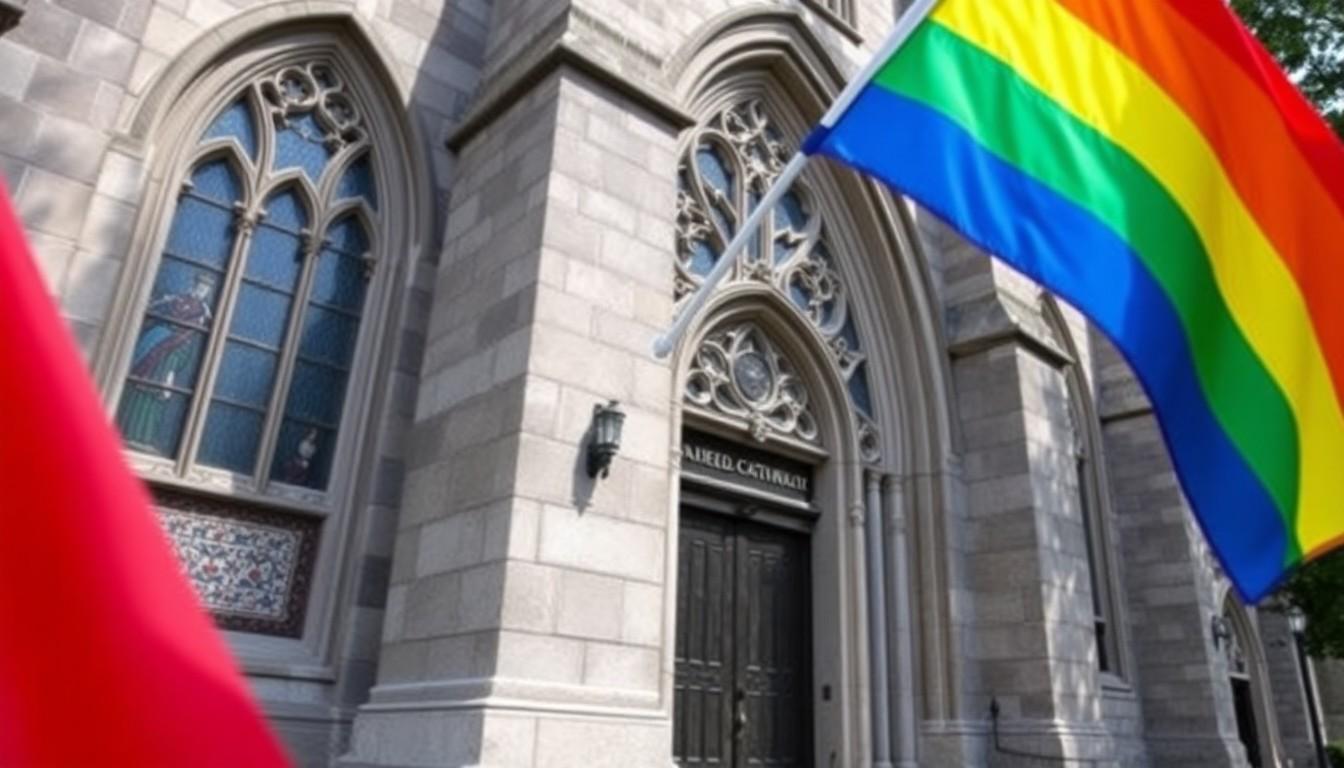
LGBTQ+ Catholics and church observers are marking 40 years since the Vatican’s controversial 1986 pastoral letter, a document that reshaped Catholic language and policy around homosexuality. Its legacy still matters because many people say its wording affected their faith, wellbeing and sense of belonging.
Essential Takeaways
- A four-decade milestone: The letter was officially dated 1 October 1986 and became widely known after reports emerged on Halloween.
- Language with lasting force: Its description of homosexual acts as “intrinsically disordered” became a deeply painful phrase for many LGBTQ+ Catholics.
- Pastoral tension remains: Recent popes have often used a gentler tone, but the underlying doctrine has not fundamentally changed.
- Faith and identity can collide: Some LGBTQ+ Catholics stay for the Eucharist and community, while others leave for churches they find more affirming.
- Listening is central: Supporters of greater inclusion argue that the Church’s next step should begin with careful attention to lived experience.
A 1986 document with an unusually long shadow
Few church documents remain so present in people’s memories decades after publication. The Vatican’s Letter to the Bishops on the Pastoral Care of Homosexual Persons, commonly called the Ratzinger letter or the Halloween Letter, still shapes how many LGBTQ+ Catholics describe their relationship with the Church.
The document was prepared by the Congregation for the Doctrine of the Faith under Cardinal Joseph Ratzinger, who later became Pope Benedict XVI. Its official title was formal and pastoral, but its most remembered phrase was anything but neutral. The Vatican’s text described homosexual acts as “intrinsically disordered”, language that continues to land with considerable emotional force.
As the Vatican’s original text makes clear, the letter reaffirmed Catholic teaching while also urging pastoral concern for people experiencing same-sex attraction. That combination created a tension that has never really disappeared. The language aimed to draw a doctrinal boundary, but many readers heard a judgement about their identity.
Why the phrase became personal
For heterosexual Catholics, the Church’s moral teaching about contraception or other sexual behaviour can usually be understood as a judgement about an action. LGBTQ+ Catholics often experience the language differently because same-sex relationships are closely tied to their understanding of themselves.
That distinction is at the heart of the anniversary discussion. In a study described by Jesuit sociologist Lucas Sharma, Catholic participants recalled the phrase “intrinsically disordered” as something that entered their self-image, rather than remaining an abstract theological term. Some associated it with shame, anxiety and a difficult process of rebuilding self-worth.
The wider social context made the letter even more painful. It emerged during the HIV and AIDS crisis, when gay men were already facing fear, grief and widespread stigma. Against that backdrop, a Vatican document emphasising moral disorder could feel less like pastoral guidance and more like another public accusation.
Historical summaries of the letter note that it has been repeatedly cited in debates over Catholic ministry, education and public policy. That helps explain why its impact reached far beyond the pages of the document itself.
Staying Catholic, leaving, or living between the two
The anniversary isn't simply a story of people walking away. Some LGBTQ+ Catholics remain deeply attached to Catholic worship, family traditions and sacramental life, even while rejecting or grieving the Church's teaching on homosexuality.
One woman interviewed in Sharma's research describes her marriage to another woman as a sacred path, while still hoping the Church will abandon the language of intrinsic disorder. Her continued Catholic identity is anchored by the Eucharist, showing why the picture is more complicated than a simple choice between belief and rejection.
Others leave for denominations they feel better reflect their lives. For them, the issue isn't only whether a parish is friendly. The underlying teaching can remain a source of distress, even when individual priests or parish workers are welcoming.
That split helps explain the Church's continuing challenge. A warm pastoral manner can make a parish feel safer, but it may not resolve the deeper wound created by official doctrine. For many people, welcome needs to reach both the pew and the page.
A softer tone, but the doctrine remains
The papacies of Francis and Leo XIV have been associated with a more pastoral approach to LGBTQ+ people. Francis's widely remembered “Who am I to judge?” remark helped shift the public tone, while Leo has been associated with calls to place less emphasis on sexual sin in pastoral conversation.
Still, tone and teaching aren't the same thing. The 1986 letter remains part of the Church's doctrinal history, and its central language has not simply vanished because newer leaders speak more gently.
That gap is where many LGBTQ+ Catholics find themselves. They may experience kindness from a priest, a supportive parish group or a welcoming lay community, while knowing that the institution's formal position still describes same-sex sexual activity in negative terms. It's a little like being invited into the house while being told the family rules haven't changed.
Official Vatican material and historical accounts show that the document was intended to guide bishops in pastoral care, not merely to issue a public condemnation. Yet its reception demonstrates that intent doesn't control impact. What matters now is how the words were heard and what they did.
What could happen next?
Marking the 40th anniversary offers an opportunity to examine both damage and endurance. The letter changed Catholic conversation for a generation, but LGBTQ+ Catholics and their allies continued building ministries, challenging exclusion and creating communities of care.
The most practical lesson may be that listening can't stop at friendliness. If Church leaders want pastoral accompaniment to mean something, they need to hear how doctrine affects mental health, family life, vocations and decisions about whether to stay.
That doesn't settle the theological debate, but it changes the starting point. Instead of discussing LGBTQ+ Catholics only as a topic in moral teaching, the Church can listen to them as people whose faith, relationships and experiences deserve serious attention.
Forty years on, the question isn't merely what the letter said. It's whether the Church is prepared to understand what its words have done.
A more inclusive future starts by taking that lived experience seriously.
Source Reference Map
Story idea inspired by: [1]
Sources by paragraph:
- Paragraph 1: [2], [4]
- Paragraph 2: [2], [5]
- Paragraph 3: [3], [7]
- Paragraph 4: [4], [6]
- Paragraph 5: [2], [5]
- Paragraph 6: [4], [6]
- Paragraph 7: [2], [7]
- Paragraph 8: [4], [5]
- Paragraph 9: [2], [6]
- Paragraph 10: [3], [7]
- Paragraph 11: [2], [4]
- Paragraph 12: [5], [6]
- Paragraph 13: [2], [7]
- Paragraph 14: [4], [6]
- Paragraph 15: [2], [3]
- Paragraph 16: [5], [7]