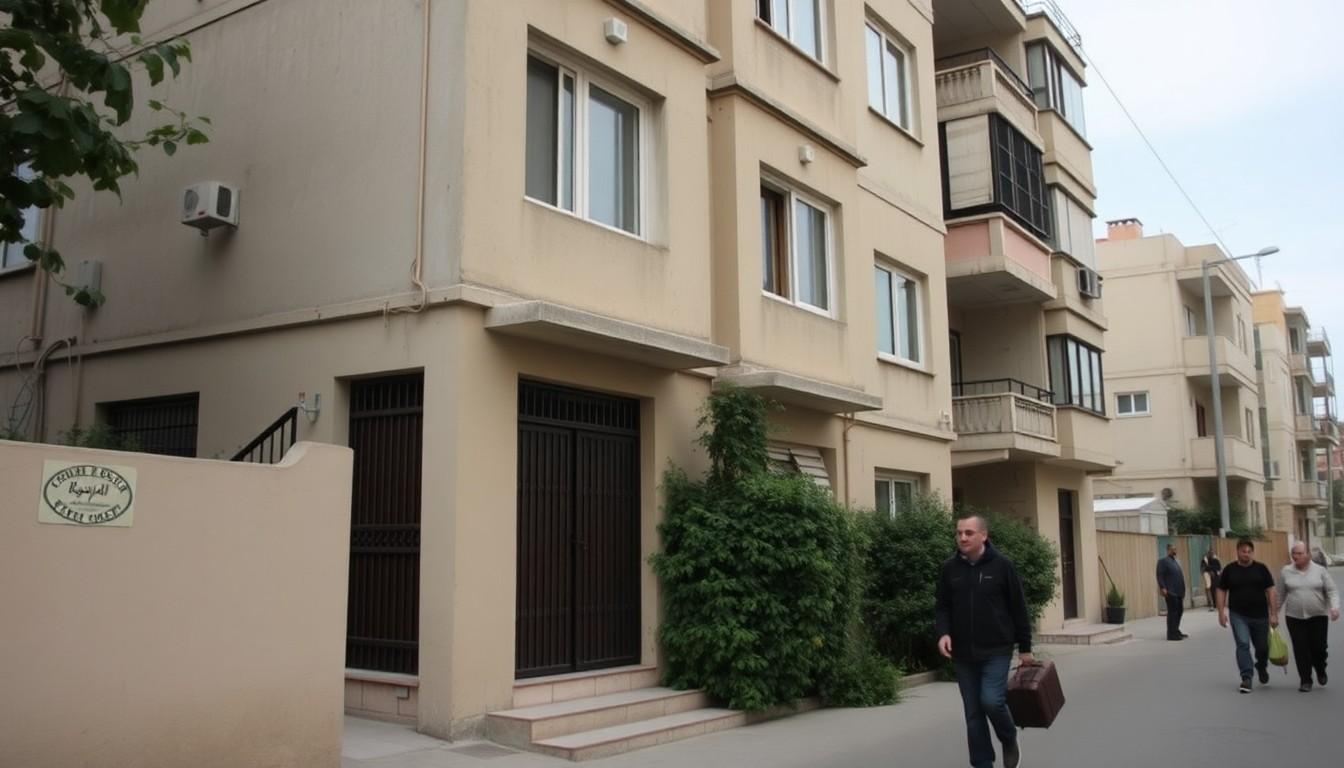
Displaced LGBTQ people in Lebanon are finding that escape from bombing doesn't always mean safety. As public shelters fill, queer residents are being turned away or left fearful of harassment, while local organisations such as MOSAIC and Helem provide discreet accommodation, practical help and a vital sense of refuge.
Essential Takeaways
- Public shelters can exclude: Single people and LGBTQ residents may struggle to access spaces designed around traditional families.
- Discreet housing matters: Safe flats use hidden addresses, restricted visitor details and extra security to protect residents.
- Demand is rising: Displacement, food shortages and psychological distress are increasing pressure on community groups.
- Local networks fill the gap: Donations and volunteer support help keep emergency accommodation running.
- Safety is more than a roof: Protection from harassment and violence is central to whether a shelter is genuinely usable.
When fleeing war still doesn't feel safe
For many people escaping Israel's attacks in Lebanon, a collective shelter should represent safety. For queer residents, however, the prospect can feel frightening rather than reassuring. Crowded rooms, little privacy and the risk of homophobic abuse can make an official refuge seem like another threat.
Humanitarian agencies have warned that Lebanon is facing a deepening crisis, with large numbers of people displaced from southern areas and the Bekaa Valley. Al Jazeera reported that the pressure on housing, food and basic services has intensified as communities absorb wave after wave of evacuees.
That creates a painful calculation. Do you accept an unsafe shelter because it's available, or stay elsewhere and risk having nowhere secure to sleep? For LGBTQ people who have already faced rejection or violence at home, the answer is rarely straightforward.
Why standard shelter plans miss queer people
Many emergency systems are built around the idea of a nuclear family. That may appear practical when space is scarce, but it leaves single adults, estranged people, disabled residents and LGBTQ people at the back of the queue. TrueQueer reported that some displaced queer people have been excluded from shelters, either through explicit rules or through procedures that quietly favour family groups.
The problem isn't always an openly hostile sign on the door. Sometimes it's a registration system that assumes everyone has relatives to stay with, or a room allocation policy that treats a lone adult as less urgent than a family. Those small decisions can have major consequences.
Helem, a Lebanese LGBTQ rights organisation, has highlighted the wider pattern of exclusion facing queer people during emergencies. Its work shows why inclusion needs to be planned before a crisis, rather than improvised once people are already sleeping rough.
Inside the discreet shelters keeping people alive
MOSAIC has responded by offering temporary accommodation for LGBTQ residents who have fled violence, eviction or bombardment. The organisation's flats are deliberately low-profile, with carefully guarded addresses and additional security measures designed to reduce the risk of attack.
LGBTQ Nation described one such shelter as a rare safe space for displaced Lebanese people during the Israeli attacks. The atmosphere is practical rather than polished: basic beds, limited belongings and a constant awareness that residents' privacy could be a matter of personal safety.
Helem has also operated emergency spaces and daytime refuge for people who cannot safely remain in public shelters. According to the organisation's background information, its work spans advocacy, support and community protection across Lebanon. In a crisis, that broad remit becomes especially important because housing is only the first need.
The crisis goes beyond a spare bed
A temporary room can stop someone sleeping outside, but it doesn't solve everything. Displaced LGBTQ residents may also need food, blankets, transport, medical care, counselling and help finding longer-term housing. The emotional strain is heavier for those who have lost family support or fear being recognised.
Reuters, in a report carried by Internazionale, noted the importance of a rare shelter offering safety to displaced LGBTQ people in Lebanon. Its significance lies not only in the number of beds, but in the trust behind them. People are more likely to ask for help when they believe their identity won't be used against them.
That trust is often built by people from the same community. Donations, volunteers and informal networks can provide furniture, supplies and introductions to safer landlords. It isn't a substitute for public responsibility, but in the short term, it may be the difference between a closed door and a place to breathe.
What inclusive emergency shelter should look like
The first step is simple: emergency plans must name LGBTQ people and other marginalised groups as part of the population they serve. Staff training, confidential registration, clear anti-harassment rules and private sleeping arrangements can make shelters safer without requiring extravagant resources.
Organisations working on the ground also need predictable funding. Reports from 76 Crimes and related coverage show how quickly waiting lists can grow when conflict expands, while community groups are forced to rely on donations and limited accommodation.
The broader lesson is uncomfortable but useful. A shelter isn't truly safe if people fear humiliation, assault or rejection once they arrive. As Lebanon's displacement crisis continues, inclusive planning shouldn't be treated as a specialist extra. It should be part of the definition of humanitarian protection.
A secure room can offer more than shelter; it can give someone the first quiet night they've had in weeks.
Source Reference Map
Story idea inspired by: [1]
Sources by paragraph:
- Paragraph 1: [2], [4]
- Paragraph 2: [4], [5]
- Paragraph 3: [3], [6]
- Paragraph 4: [3], [5]
- Paragraph 5: [2], [7]
- Paragraph 6: [6], [7]
- Paragraph 7: [5], [7]
- Paragraph 8: [2], [3]
- Paragraph 9: [5], [6]
- Paragraph 10: [4], [7]
- Paragraph 11: [2], [5]
- Paragraph 12: [3], [6]
- Paragraph 13: [5], [7]
- Paragraph 14: [2], [4]
- Paragraph 15: [3], [5]
- Paragraph 16: [6], [7]