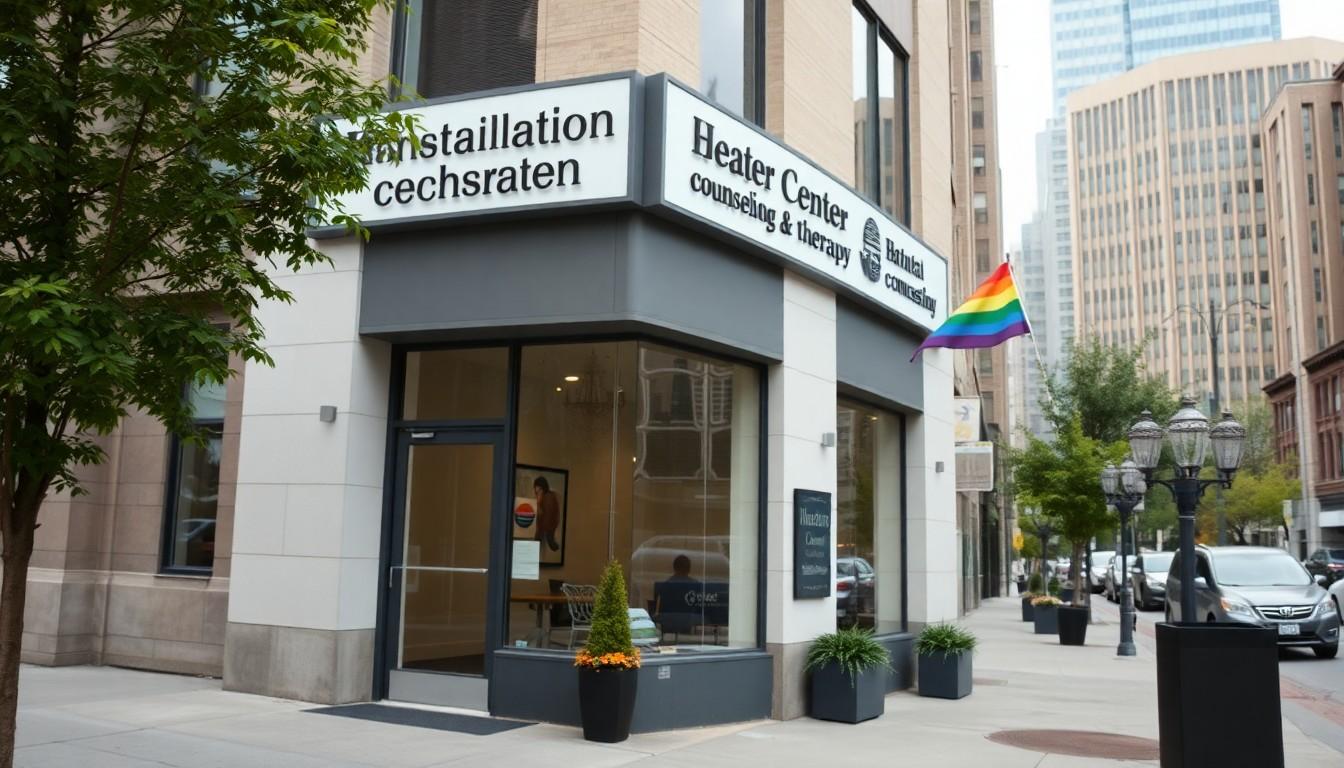
Couples are pushing back against the old “lesbian bed death” stereotype, which treats quieter sex lives as proof that something has gone wrong. For lesbian partners navigating trauma, insecurity or simply changing desire, the more useful question is whether both people feel comfortable, heard and free to shape intimacy on their own terms.
Essential Takeaways
- The label is outdated: “Lesbian bed death” grew from older research and popular shorthand, not a universal rule.
- Sex frequency varies: Studies have found differences in sexual frequency, but they don't explain every couple's experience.
- Wellbeing matters more than numbers: A relationship isn't automatically unhealthy because sex is infrequent or absent.
- Talk without pressure: Ask what each partner misses, wants or feels comfortable with, without making sex an obligation.
- Trauma deserves care: An LGBTQIA+ affirming, trauma-informed therapist can help when intimacy feels wanted but difficult.
The stereotype says more than the bedroom does
Few relationship myths are as loaded as “lesbian bed death”. The phrase suggests that a lesbian couple's sex life follows a predictable path from passion to silence, as though sexual desire has an expiry date. That makes for a neat cultural punchline, but real relationships are considerably messier and more interesting.
The term is generally linked to discussion of research published in the 1980s, particularly work by Philip Blumstein and Pepper Schwartz. Their findings reported lower sexual frequency among lesbian couples than among some other groups studied, but a statistic is not a diagnosis. As research discussions and later commentary have noted, the label turned a limited finding into a sweeping story about an entire community.
Frequency isn't the same as satisfaction
A couple can have sex often and feel disconnected, just as another couple can have little or no sex and feel deeply secure. Research on same-sex relationships has repeatedly pointed towards variation rather than one fixed pattern, with desire shaped by factors such as stress, health, relationship dynamics, age and personal history.
That distinction matters because “How often?” is a blunt question. “Do we both feel content with our physical connection?” is far more revealing. A quiet bedroom may be a source of relief for one couple, a painful loss for another, or both at once.
Why trauma and insecurity can change intimacy
When past trauma or body insecurity enters the picture, a lack of sex may not be a sign of indifference. It can reflect the nervous system trying to stay safe, even when someone genuinely wants closeness. The result can be confusing: a loving relationship alongside a physical connection that feels difficult to reach.
Experts writing about lesbian sexuality have cautioned against treating sexual orientation as the explanation before looking at the people involved. Relationship history, minority stress, confidence, communication and emotional safety all deserve space in the conversation. In other words, your partner's identity isn't a shortcut to understanding her needs.
Start with curiosity, not a deadline
A useful conversation doesn't need to begin with, “We have to start having sex again.” Try something gentler: “How are you feeling about our physical connection?” or “Is there anything you miss, or are you comfortable where we are?” Those questions leave room for different answers without turning honesty into a contract.
If both partners want more intimacy, start with something manageable and clearly agreed. Cuddling, holding hands or talking about touch can be meaningful without being treated as a guaranteed route to sex. It helps to agree that either person can pause, change their mind or keep an experience exactly where it is.
Healthy relationships don't come with quotas
There is no universal monthly target that makes a marriage valid. Some couples want frequent sex, some prefer occasional intimacy, and some are content without it. The important issue is whether the arrangement is mutual, openly discussed and emotionally sustainable.
If one partner is happy and the other is quietly grieving what they miss, that difference deserves attention rather than blame. An LGBTQIA+ affirming, trauma-informed sex therapist can help couples explore those feelings without imposing a timetable. As relationship commentators have observed, the most useful approach is usually less about fixing a stereotype and more about understanding two particular people.
Your relationship doesn't need to perform a cultural script. It only needs to make sense to the people living in it.
Explore the intimacy that feels right for both of you, without letting an old stereotype set the rules.
Source Reference Map
Story idea inspired by: [1]
Sources by paragraph:
- Paragraph 1: [2], [7]
- Paragraph 2: [3], [4]
- Paragraph 3: [5], [6]
- Paragraph 4: [4], [7]
- Paragraph 5: [3], [5]
- Paragraph 6: [6], [7]
- Paragraph 7: [2], [4]
- Paragraph 8: [3], [5]
- Paragraph 9: [6], [7]
- Paragraph 10: [2], [4]
- Paragraph 11: [5], [7]
- Paragraph 12: [3], [6]
- Paragraph 13: [4], [7]
- Paragraph 14: [2], [5]