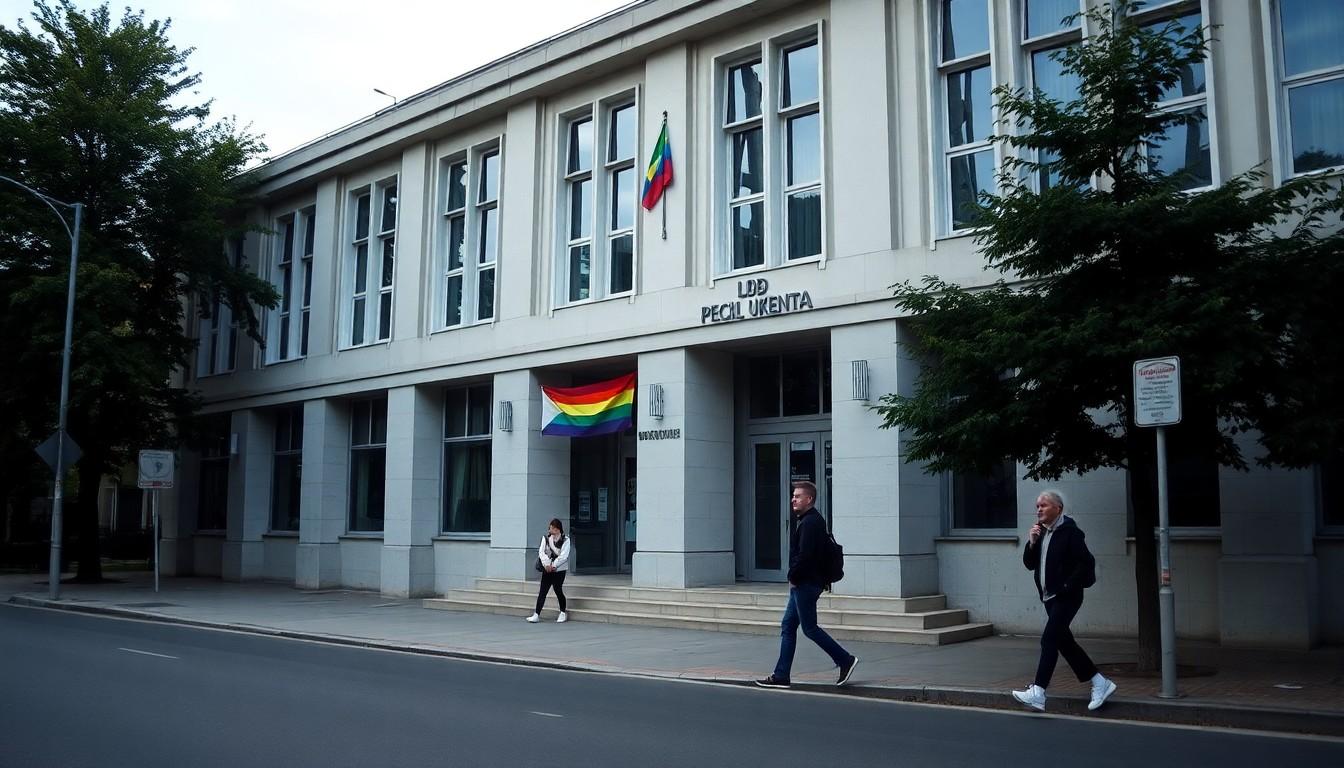
Ukraine is making headway on protections for Roma and LGBTI people, but a new Council of Europe assessment says major weaknesses remain in hate-crime reporting, healthcare, education and everyday inclusion. The findings matter as the country continues reforming institutions under the pressure of Russia’s war.
Essential Takeaways
- Progress is visible: Ukraine has strengthened anti-discrimination work, police training and Roma inclusion strategies.
- Hate crimes remain under-recorded: Some incidents are still classified incorrectly or not treated as bias-motivated offences.
- Healthcare access is uneven: LGBTI people, particularly transgender people, continue to face barriers.
- Schools need broader inclusion: Roma history, culture and age-appropriate LGBTI topics remain underrepresented.
- Two priorities stand out: Nationwide anti-hate-speech campaigns and practical help for Roma people without identity documents.
Reform is moving, but the picture is uneven
Ukraine has made meaningful legislative and policy progress on equality, according to the Council of Europe’s European Commission against Racism and Intolerance. The assessment recognises stronger cooperation between the Ukrainian Ombudsman and civil society, alongside improved guidance for police handling hate crimes.
That progress sits against an exceptionally difficult backdrop. Russia’s full-scale war has placed enormous pressure on public services and institutions, yet the report argues that protecting vulnerable communities remains part of the country’s wider democratic reform. It’s an important point: inclusion can’t simply be parked until calmer times.
Roma inclusion needs practical support
New strategies for Roma inclusion and examples of local community work have been welcomed. But policy only becomes meaningful when it reaches families dealing with paperwork, schooling and access to public services.
One urgent issue is the number of Roma people who lack proper identity documents. Without them, everyday tasks such as enrolling children at school or accessing healthcare can become painfully complicated. The Council of Europe is calling for an inclusive working group to identify those affected and help simplify the administrative process.
Education is another pressure point. Recommendations include better access to quality schooling for Roma children, supported by information campaigns and Roma mediators who can build trust with families. That personal connection may sound small, but it can make a considerable difference where official systems feel distant or intimidating.
Hate speech and hate crimes remain difficult to track
The report says hate speech cases have fallen overall since the start of the full-scale war, but Roma and LGBTI people still appear to be particularly exposed. Numbers alone don’t tell the whole story, especially when incidents are misclassified or never properly recognised.
Police and prosecutors have received more training, with international cooperation also strengthened. Even so, the assessment highlights continuing concerns about alleged racist or LGBTI-phobic misconduct involving officers from the National Police, State Border Guard Service and Armed Forces.
That makes accurate recording more than an administrative detail. If an incident isn’t identified as hate-motivated, victims can struggle to secure appropriate protection, while policymakers lose the evidence needed to target resources effectively.
LGBTI people still face barriers in healthcare and schools
Political commitments on LGBTI equality are among the positive developments identified by the Council of Europe. Yet access to healthcare remains a significant problem, particularly for transgender people, who can encounter practical, institutional and social obstacles when seeking treatment.
Schools also need to become safer and more informed environments. The report recommends stronger action against LGBTI-phobic bullying, as well as sensitive, age-appropriate teaching on relevant topics. It also points to gaps in curricula covering Roma history and culture.
This isn’t about adding decoration to a syllabus. Better representation can help children understand difference before prejudice takes root, while clear anti-bullying measures give pupils and families confidence that problems will be taken seriously.
The next test is implementation
The assessment sets out 15 recommendations, but two have been given priority. The first is a nationwide information campaign aimed at preventing hate speech against Roma and LGBTI people. The second is a coordinated effort to help Roma people who lack identity documents overcome administrative barriers.
The report covers developments from June 2017 to March 2026 and follows a Council of Europe visit to Ukraine in September 2025. Progress on the two priority recommendations is due to be reviewed through interim monitoring within two years of publication.
That timetable gives authorities a clear window to turn commitments into visible change. For people affected by discrimination, however, the need is immediate, and often very ordinary: a safer school, a fairer police response or a healthcare service that treats them with dignity.
Small administrative fixes can have a very human impact.
Source Reference Map
Story idea inspired by: [1]
Sources by paragraph:
- Paragraph 1: ,
- Paragraph 2: ,
- Paragraph 3: ,
- Paragraph 4: ,
- Paragraph 5: ,
- Paragraph 6: ,
- Paragraph 7: ,
- Paragraph 8: ,
- Paragraph 9: ,
- Paragraph 10: ,
- Paragraph 11: ,
- Paragraph 12: ,