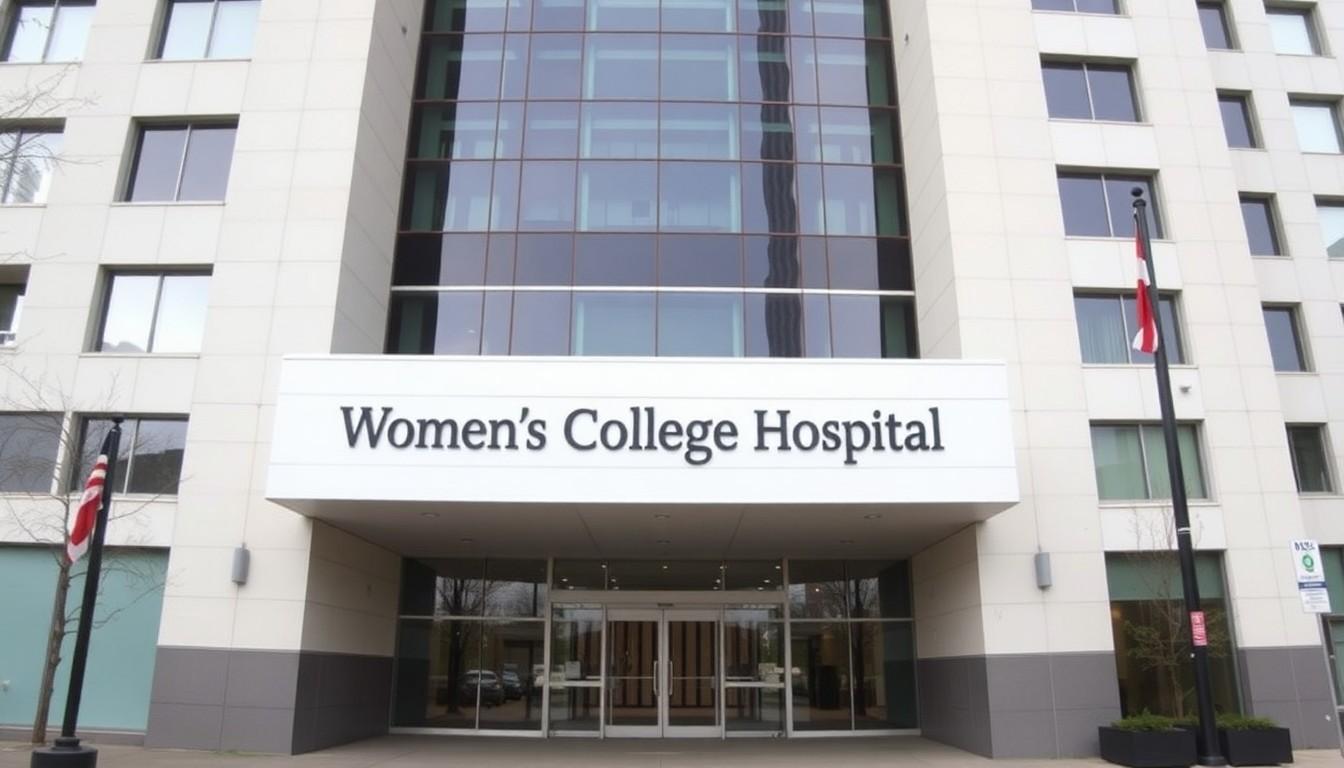
Researchers at Toronto’s Women’s College Hospital have secured $1.4 million in Canadian funding to study gender-affirming surgery through patients’ own experiences. The work aims to improve outcome tracking, understand longer-term health effects and support more responsive care for transgender and non-binary people.
Essential Takeaways
- Two major grants: Women’s College Hospital has received two $700,000 awards from the Canadian Institutes of Health Research.
- Patients’ voices count: Researchers will use patient-reported measures to capture wellbeing, symptoms and concerns that clinical checks can miss.
- Digital records are central: The GENDER-Q questionnaire will be explored within electronic medical records and surgical pathways.
- Stress will be studied too: A second project will examine body image, dismissed lived experience and the physical effects of prolonged stress.
- The wider goal: Findings could help other hospitals deliver more consistent, evidence-informed gender-affirming care.
A $1.4 million research boost arrives at a crucial time
The strongest message from the funding is simple: gender-affirming care needs evidence that reflects real lives, not just figures on a clinical chart.
Women’s College Hospital’s Transition-Related Surgery Research Group has won two grants worth $700,000 each through CIHR’s Advancing 2S/LGBTQI+ Health Through Research competition. According to Women’s College Hospital, both applications ranked first in their respective categories, underlining the significance of the work. [3]
The timing matters, too. Dr Kathleen Armstrong, the group’s principal investigator, surgeon and early-career scientist, described the award as an investment in research, equitable access and the health rights of transgender people and the wider 2SLGBTQI+ community. [2]
Why patient-reported outcomes could change surgical follow-up
A successful operation isn't measured only by what clinicians can see or record during an appointment. Pain, confidence, comfort, emotional wellbeing and day-to-day function can be harder to capture, yet they're often the details patients care about most.
The first project will examine how GENDER-Q, a patient-reported outcome measure designed for gender-affirming care, can be built into WCH's electronic medical record and routine surgical pathway. That could make it easier for patients to share concerns and for clinicians to spot patterns during counselling and follow-up. [3]
Patient-reported outcome measures are already used across healthcare to bring an individual's perspective into treatment decisions. Research literature has highlighted their value in complementing traditional clinical assessments, particularly when quality of life and personal wellbeing are central to the result. [4]
The research looks beyond immediate complications
The second study takes a broader view of health after gender-affirming chest surgery. Rather than focusing only on surgical complications, it will explore the links between body image, experiences of having one's knowledge dismissed and allostatic load.
Allostatic load describes the cumulative strain that prolonged stress can place on the body. It's a useful reminder that healthcare experiences don't happen in isolation: repeated stress, social pressures and feeling unheard may affect physical wellbeing as well as mental health. [5]
The study's prospective design should allow researchers to track these relationships over time, rather than relying solely on a snapshot taken after treatment. That longer view could add important context to conversations about recovery and outcomes. [6]
What this could mean for transgender and non-binary patients
For patients, the practical promise is a more complete conversation. A digital questionnaire might help someone raise an issue they struggle to explain in person, while giving clinicians clearer information to guide support, counselling and follow-up.
Women’s College Hospital says the findings could inform implementation at other healthcare centres, potentially making patient-centred outcome tracking less dependent on one specialist team or location. Its transition-related surgery programme already provides care within a structured clinical setting, making it a natural base for testing how research tools work in practice. [7]
Of course, a questionnaire won't solve every access problem. Funding still needs to translate into usable systems, respectful communication and services that patients can reach without unnecessary barriers. But listening carefully is a sensible place to begin.
A hopeful signal for evidence-led care
The grants arrive as an encouraging sign for researchers and communities seeking stronger, more inclusive evidence on gender-affirming healthcare. They also reflect a wider shift in medicine, where outcomes are increasingly judged by how people feel and function, not simply whether a procedure met a technical target.
If the projects deliver practical tools that other hospitals can adopt, their influence could extend well beyond Toronto. For many patients, the most meaningful result may be quieter but important: feeling that their experience is recorded, respected and taken seriously.
Better gender-affirming care starts with evidence that listens.
Source Reference Map
Story idea inspired by: [1]
Sources by paragraph: