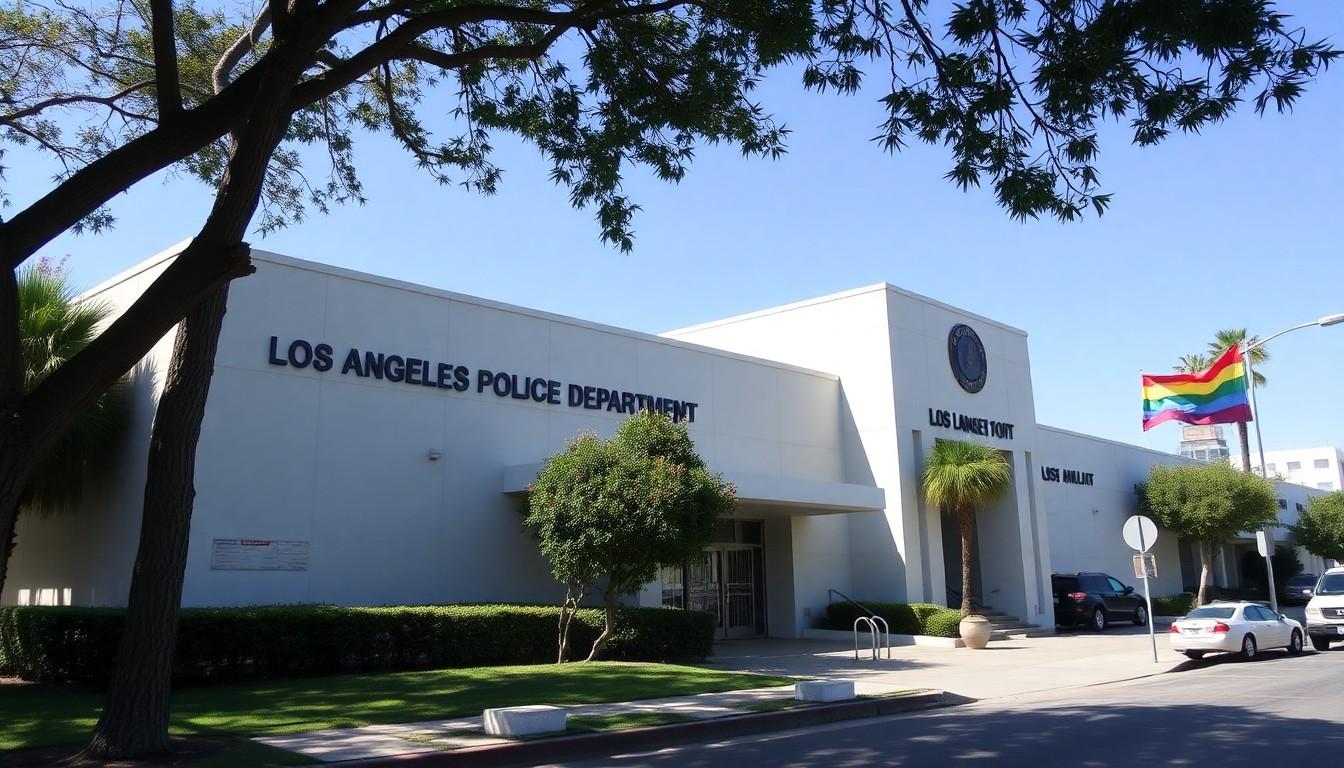
New LAPD figures show reported hate crimes against gay men and transgender people increased in several Los Angeles areas during the first seven months of 2026, raising fresh concerns about safety, trust and whether many incidents ever reach the police.
Essential Takeaways
- Overall incidents edged up: Los Angeles recorded 416 hate crimes across all categories from January to July 2026, compared with 408 during the same period in 2025.
- LGBTQ+ cases rose in key areas: Anti-gay and anti-trans incidents increased in the Valley and West Los Angeles bureaus.
- Small figures can produce dramatic percentages: A rise from two cases to four represents a 100% increase, but the underlying numbers remain relatively low.
- Under-reporting remains a major concern: Research suggests LGBTQ+ victims may be especially reluctant to contact police.
- The LAPD is proposing a broader response: Plans include specialist training, community outreach, alternative reporting routes and closer links with prosecutors.
LGBTQ+ hate crimes are rising in parts of Los Angeles
The sharpest warning in the latest Los Angeles hate crime data isn't the citywide total. It's where the increases are concentrated, and who is being targeted.
In the Valley, reported hate crimes against gay men rose from eight to 11 between January and July, while anti-trans incidents doubled from two to four. West Los Angeles recorded a similar pattern, with incidents against gay men climbing from 13 to 17 and anti-trans cases increasing from four to eight, according to reporting by Them and local coverage of the LAPD figures.
Those numbers are small in statistical terms, but they aren't small to the people involved. A slur, threat or attack can turn an ordinary journey home, a night out or a trip to the shops into a memory that lingers.
Why percentage increases need careful reading
A jump of 100% sounds enormous, and in the case of anti-trans incidents it reflects a doubling. Yet the difference is four cases, not hundreds. LAPD hate crime coordinator Detective Dara Hamilton has cautioned that small starting totals can make percentage changes look especially dramatic.
That context matters, but it shouldn't make the trend feel harmless. Los Angeles has already seen broader concern about hate crime, with reports pointing to increases affecting several communities, including Jewish and Latino residents. Coverage by the Los Angeles Times, Patch and other outlets has shown that the issue extends well beyond one identity group.
The more useful question is therefore not simply whether the percentage is large. It's whether people feel safe, whether incidents are being recorded consistently and whether authorities can spot patterns before they become more serious.
Many victims may never report what happened
Official figures are best understood as a record of reported incidents, not a complete count of every offence. The correspondence cited research from UCLA's Williams Institute suggesting that victims of anti-LGBQ hate crime were far more likely than other hate crime victims to say a negative view of police was the reason they didn't report.
That reluctance has a long history. LGBTQ+ communities have experienced police harassment and violence, and recent cases in Los Angeles have continued to shape how residents view emergency services. Reporting from the Los Angeles Times examined the death of Linda Becerra Moran, a trans woman who was shot by LAPD officers after calling for help.
For someone already worried about being dismissed, misgendered or treated as a problem, reporting can feel like another risk. As coverage from the Times and local broadcasters has noted, that fear can leave both victims and investigators with an incomplete picture.
What the LAPD says it plans to change
The department has outlined a package of measures aimed at prevention, investigation and trust-building. The proposals include additional hate crime training, a dedicated investigative structure, closer prosecution partnerships, targeted protection in affected areas and more community liaison work.
Alternative ways to report incidents are also part of the plan. That could prove particularly important for people who don't feel comfortable walking into a police station or speaking directly with officers. Better data collection may help too, especially when incidents involve more than one identity or occur in areas with historically low reporting.
The LAPD says success should be judged by two measures together: fewer hate crimes taking place and a higher proportion of those that do happen being reported and investigated. That's a sensible but demanding standard. More reports could initially make the figures look worse, even if they show that trust is improving.
The next test is whether trust follows
Los Angeles officials are now facing a delicate balance. They need to respond firmly to reported attacks while recognising why some LGBTQ+ residents remain wary of the police. Coverage from MyNewsLA, JNS and Hoodline indicates that the city's police commission is also examining wider hate crime increases, including a rise in anti-Jewish incidents.
That broader scrutiny could encourage a more joined-up response, but promises will mean little without visible results. Community organisations, independent reporting channels and clear information about what happens after a complaint may be just as important as new training.
The human cost is easy to lose in a spreadsheet. It shouldn't be. As Los Angeles County Supervisor Lindsey P. Horvath has observed, every figure represents a person whose dignity has been violated.
Better reporting is only the beginning; safer streets and genuine confidence in the system are the real measure.
Source Reference Map
Story idea inspired by: [1]
Sources by paragraph:
- Paragraph 1: [2], [4]
- Paragraph 2: [2], [4]
- Paragraph 3: [2], [3]
- Paragraph 4: [3], [6]
- Paragraph 5: [2], [4]
- Paragraph 6: [2], [3]
- Paragraph 7: [2], [4]
- Paragraph 8: [2], [5]
- Paragraph 9: [2], [5]
- Paragraph 10: [5], [6]
- Paragraph 11: [5], [7]
- Paragraph 12: [2], [5]
- Paragraph 13: [5], [6]
- Paragraph 14: [2], [4]
- Paragraph 15: [2], [5]
- Paragraph 16: [5], [7]