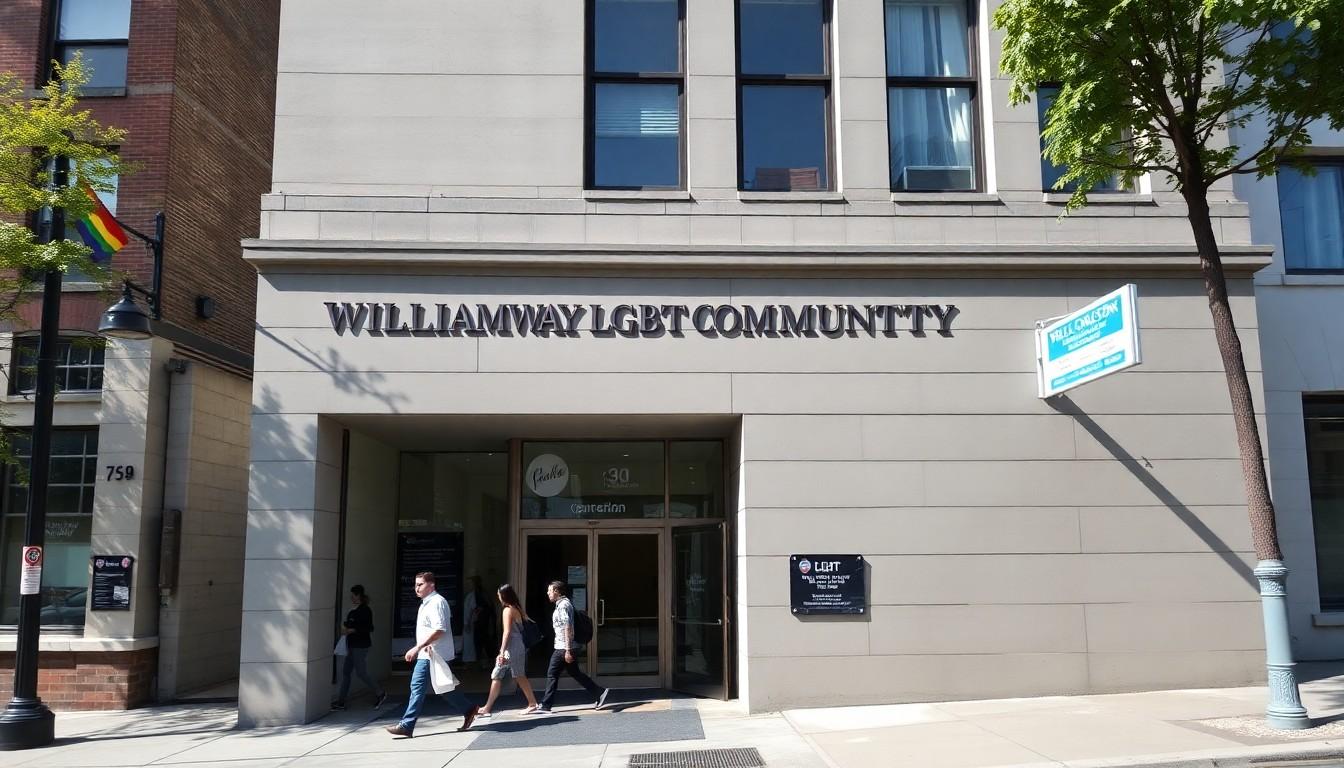
Readers in Philadelphia will soon have the chance to hear historian John D’Emilio discuss his new memoir, Making Gay History: Memoir of a Scholar-Activist. The 27 October book talk, hosted by William Way LGBT Community Center, brings together personal memory, political activism and the long journey of LGBTQ+ history from community-led research to an established academic field.
Essential Takeaways
- A personal history: D’Emilio’s memoir connects his coming-out story with decades of scholarship and activism.
- A Philadelphia event: The talk takes place at Philly AIDS Thrift @ Giovanni’s Room, with books available to buy and sign.
- Community roots: LGBTQ+ history grew through activists, archives and grassroots projects as much as universities.
- A wider lens: D’Emilio argues that working-class, rural and racially diverse LGBTQ+ lives need far more attention.
- A practical message: Individual choices, relationships and collective action can help create social change.
A memoir shaped by scholarship and activism
D’Emilio’s story begins with two powerful questions: how societies produce oppression, and how people organise against it. His experiences as a gay man and an anti-war activist informed the historical work that followed, giving the memoir a personal pulse rather than the feel of a conventional academic career account. The book is published by Duke University Press, according to the publisher’s listing. [2]
That combination matters because D’Emilio wasn’t simply studying a distant subject. He was trying to understand the forces shaping his own life and the lives of people around him. As the memoir’s title suggests, scholarship and activism sit side by side here, not in separate rooms.
LGBTQ+ history grew outside the academy
When D’Emilio began researching gay history in the 1970s, much of the work was being created and shared within communities. Archives, reading groups, activist networks and public events helped preserve stories that universities had largely ignored. It was a practical form of history-making, often carried out with limited resources but plenty of urgency.
That community connection remains central to the book’s wider argument. Listings from MIT Press Bookstore and Politics and Prose describe the memoir as an account of D’Emilio’s development as both a historian and a participant in social movements. [2] [5] The result is a reminder that academic recognition often arrives after communities have already done the hardest work.
Why the book’s audience extends beyond historians
D’Emilio’s work also reflects a change in who gets to encounter LGBTQ+ history. For students who had never seen their experiences represented in a classroom, the material could be startling, affirming and, in some cases, deeply reassuring. For other students, it offered a fuller understanding of the country and movements they thought they already knew.
That educational role gives the memoir a broader appeal than its subject might initially suggest. CUNY’s event description presents the book as a reflection on the relationship between historical research, teaching and activism, rather than a narrowly specialist study. [3] In other words, you don’t need a history degree to understand why these stories belong in the public record.
The missing stories are often closer to home
D’Emilio’s next challenge is one historians across the field will recognise: filling the gaps. LGBTQ+ history still needs more work beyond major cities, alongside deeper accounts of working-class and poor people across racial and ethnic communities. The more recent past also deserves careful historical treatment, rather than being treated as too familiar to study.
That point feels especially timely. People often assume that yesterday is already documented, but memories disappear quickly when institutions don’t preserve them. Duke University Press frames the memoir as a reflection on how the field developed and where it needs to go next, making it both a career account and a prompt for future researchers. [4]
A Philadelphia conversation with a lasting message
The book talk will be held at 6pm on 27 October at Philly AIDS Thrift @ Giovanni’s Room, 345 South 12th Street. William Way LGBT Community Center is hosting the event, and copies of Making Gay History will be available for purchase and signing. Bookshop listings confirm the title and ISBN, making it easy for readers to find the edition ahead of the event. [5] [7]
The most resonant idea behind D’Emilio’s memoir may be its belief in ordinary participation. Social change rarely arrives through one heroic gesture; it grows from people choosing, repeatedly, to join communities, tell the truth and stand alongside others. That’s a hopeful note, and a useful one, especially when history can feel less like a record of the past than a warning about the present.
A book talk about LGBTQ+ history becomes most valuable when it sends people back into the world curious, connected and ready to listen.
Source Reference Map
Story idea inspired by: [1]
Sources by paragraph: