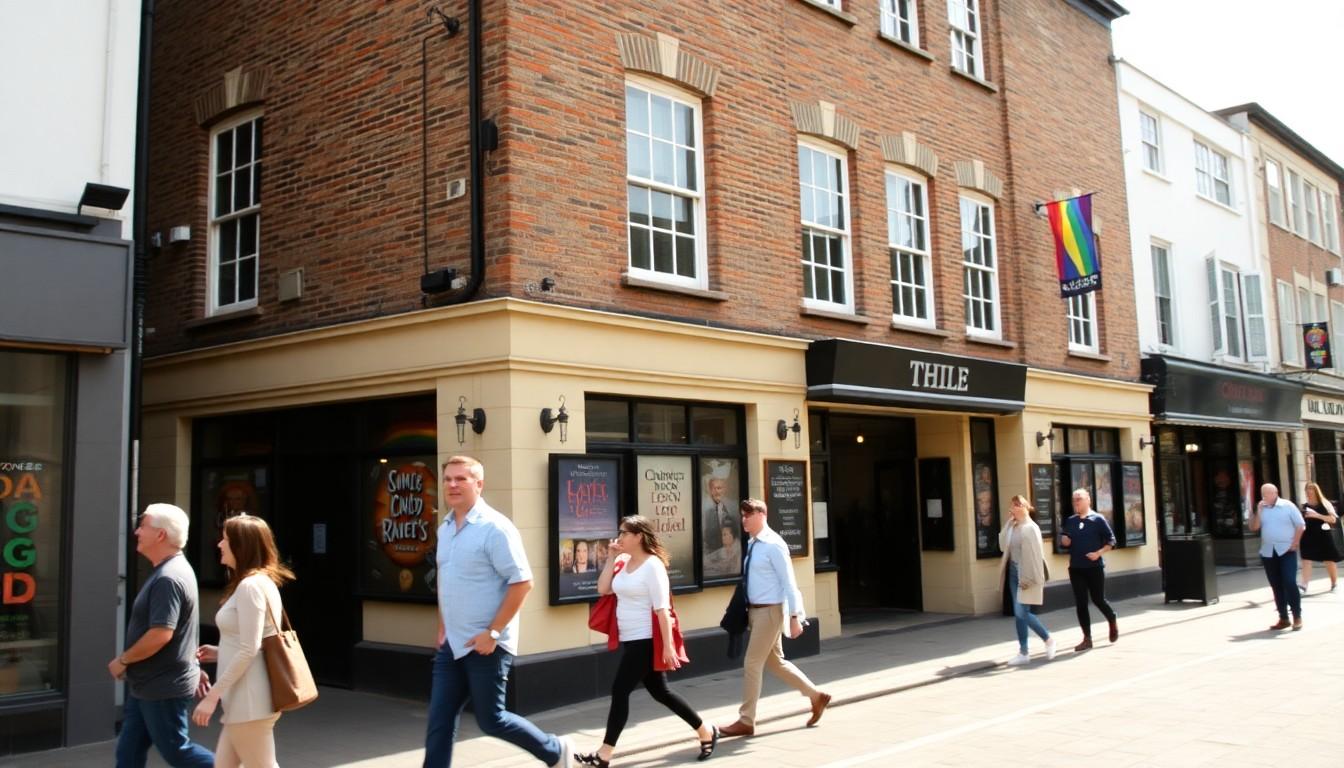
Chichester Fringe and Chichester Pride are calling for meaningful action after comedian Munya Chawawa described alleged racism, xenophobia and homophobia during a six-week theatre run in the West Sussex city. The claims have sparked concern among local leaders, arts organisations and campaigners about safety, accountability and belonging.
Essential Takeaways
- Multiple concerns raised: Allegations include racism, xenophobia and homophobia during a theatre production.
- Performance cancelled: A reported homophobic incident involving a cast member led to one show being called off.
- Local groups responded: Chichester Fringe and Chichester Pride said discrimination has no place in the city.
- Action is being urged: Campaigners want stronger support, better reporting and safer public spaces.
- The theatre is reviewing its response: Chichester Festival Theatre said it was considering what further steps it could take.
Allegations have shaken Chichester's theatre scene
The allegations have cast a troubling shadow over what should have been a lively six-week run. Munya Chawawa spoke publicly about experiences he described as racist, xenophobic and homophobic, while a separate reported incident involving a fellow cast member resulted in a performance being cancelled.
According to Sussex Express, Chichester Fringe said it was deeply saddened by the accounts shared by members of the company and audience. Its response was clear: the behaviour described did not represent the welcoming city it believes Chichester should be.
The issue has resonated beyond the theatre itself. Scene Magazine reported that Chawawa described the experience as “abysmal”, bringing wider attention to the pressures performers can face while working away from home. [2], [5]
Why local campaigners say words aren't enough
Chichester Pride said the experiences should not be brushed aside as the work of a few individuals. The charity argued that communities need to listen carefully, acknowledge uncomfortable realities and challenge prejudice wherever it appears.
That means moving beyond supportive statements. Campaigners are calling on councils, businesses, community leaders and local organisations to strengthen support for people experiencing hate and take practical steps to make public spaces feel safer.
PinkNews reported on the wider concern around the alleged hate incidents, while local coverage highlighted the demand for a coordinated response rather than isolated expressions of sympathy. [3], [6]
The theatre and council response
Chichester Festival Theatre's artistic director Justin Audibert and executive director Kathy Bourne expressed concern about the accounts shared by company members and their guests. The theatre said it was reviewing what further action it could take.
Local politicians have also encouraged people who experience or witness discrimination to report it. Mayor Sean McHale urged victims and witnesses to come forward, while council leader Adrian Moss said everyone should feel safe and respected, regardless of background.
A response like this matters because reporting routes can feel daunting, particularly when someone is working temporarily in a city or worries that speaking up could affect their career. V2 Radio reported that political and educational voices had also condemned the abuse described by cast members. [2], [7]
What should happen next?
For performers and audiences, practical safeguards can make a real difference. Venues should make reporting procedures easy to find, ensure staff know how to respond to complaints and explain what support is available after an incident.
Organisations hiring touring artists can also set expectations before a production begins, including clear standards for backstage conduct and audience behaviour. That may sound basic, but visible rules and confident enforcement often tell people that discrimination will be taken seriously.
Chichester Pride's message is particularly pointed: a welcoming city needs meaningful action, not just reassuring language. That includes listening to those affected and checking whether current systems actually work in practice. [2], [6]
A test for Chichester's cultural reputation
Chichester has a strong arts identity, so allegations involving a major theatre production carry particular weight. A city that attracts performers, visitors and audiences needs to feel safe not only on opening night, but throughout the full experience of working and living there.
The immediate attention may fade, but the underlying questions won't disappear so easily. How complaints are handled, what support is offered and whether lessons lead to visible change will shape how people judge the city's response.
For many residents and visitors, the hope is simple: that the next headline about Chichester's theatre life is about brilliant performances rather than the treatment of the people creating them. [3], [7]
It's a small city with a big cultural reputation, and inclusion needs to be part of the performance every day.
Source Reference Map
Story idea inspired by: [1]
Sources by paragraph: