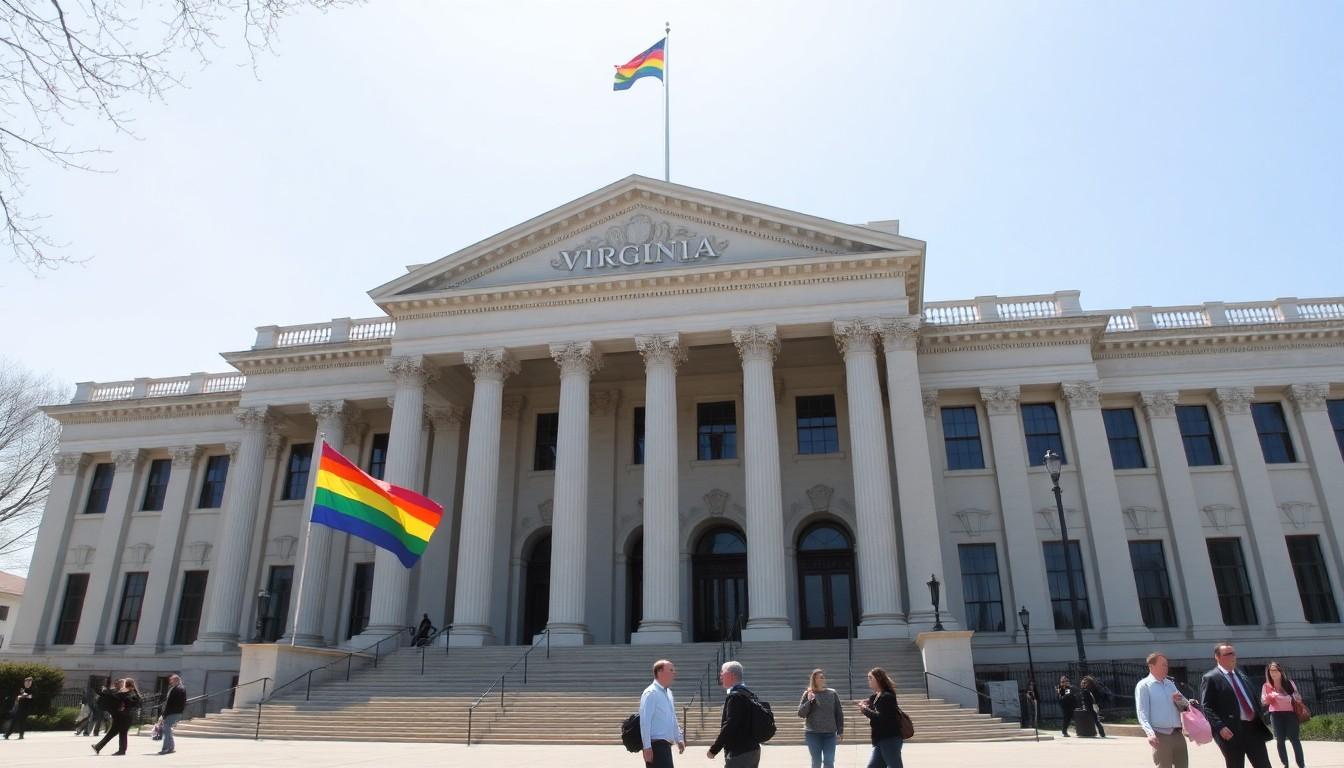
Virginia voters are being asked to update the state constitution so its wording matches modern marriage equality. The proposed change would remove the existing ban on same-sex marriage and affirm marriage as a personal right, offering LGBTQ+ couples a clearer constitutional safeguard while signalling that equality should be lasting, not merely tolerated.
Essential Takeaways
- Question 2 would replace outdated wording: The amendment would remove Virginia’s constitutional ban on same-sex marriage.
- Marriage rights would be affirmed: The proposal would recognise marriage as a personal right, regardless of sex, gender or race.
- Legal progress has limits: Same-sex marriage is already legal in Virginia, but the constitution still contains conflicting language.
- The wider fight continues: Supporters say transgender rights, LGBTQ+ youth support and protection from discrimination still need attention.
- Local communities matter: Hampton Roads organisations provide advocacy, support and spaces where LGBTQ+ residents can feel visible and welcome.
Virginia's legal reality is out of step with its values
Virginia's constitutional wording has become an awkward legal relic. Same-sex couples have been able to marry in the state for more than a decade, yet the document still carries a prohibition that no longer reflects daily life for thousands of families.
That mismatch is at the heart of Question 2. The proposed amendment would remove the ban and replace it with language affirming marriage as a fundamental personal right, with equal treatment across sex, gender and race. It sounds technical, but constitutional language has a long memory, and that matters when political winds change.
The Daily Press editorial argument frames the issue as one of permanence rather than simple legality. A right can exist in practice while remaining vulnerable in principle, which is precisely why supporters want the constitution to catch up with the Virginia many residents already know. (Sources: Daily Press, Virginia LGBTQ resources.)
Why change the constitution if same-sex marriage is legal?
The obvious question is fair: if couples can already marry, why reopen the wording? The answer is that laws and constitutional protections don't carry the same weight. Supporters argue that Virginia shouldn't leave discriminatory language in place and hope it never becomes relevant again.
For LGBTQ+ residents, the symbolism is hardly abstract. Constitutional text can tell people whether their families are fully recognised, quietly conditional or still viewed through an outdated lens. Removing the ban would not solve every problem, but it would make the state's position much harder to misread.
Virginia's LGBTQ+ information and advocacy networks show how legal recognition sits alongside practical support. Residents may still need help with discrimination, family questions, identity documents, housing or access to services, so a constitutional amendment would be one piece of a much larger safety net. (Sources: City of Hampton, PFLAG Hampton Roads, The Rainbow Cactus.)
Hampton Roads gives the debate a human face
The argument feels especially immediate in Hampton Roads, a region shaped by military families, port communities, universities, tourism and tightly connected neighbourhoods. Pride groups have helped turn visibility into something more everyday: a colleague at work, a neighbour across the street or a relative at the dinner table.
Hampton Roads Pride describes its work around community, visibility and inclusion, while local organisations such as PFLAG provide support and education for LGBTQ+ people and their families. Those efforts matter because constitutional debates can feel distant until they're connected to someone's home life.
There is also a generational thread. Older LGBTQ+ Virginians remember when being open could jeopardise employment, relationships or personal safety. Younger people are more likely to assume they should be able to marry openly and build a life without hiding, though that expectation is still tested by public hostility and political uncertainty. (Sources: Hampton Roads Pride, PFLAG Hampton Roads, Daily Press.)
Marriage equality is only the beginning
Question 2 focuses on marriage, but the wider equality conversation extends well beyond wedding ceremonies. LGBTQ+ young people still need safe schools and supportive adults, while transgender Virginians face continuing arguments over healthcare, education, employment and participation in public life.
That broader context is important. A constitutional amendment can protect a principle, but it can't by itself guarantee that every person feels safe in a classroom, doctor's surgery, workplace or public building. Advocacy organisations therefore continue to provide practical assistance, information and community connection alongside campaigning.
The most useful way to view the proposal may be as a foundation rather than a finish line. It would settle one glaring contradiction in the state's governing document, while leaving residents and institutions with the harder, more personal work of making equality feel real on an ordinary Tuesday. (Sources: City of Hampton, The Rainbow Cactus, PFLAG Hampton Roads.)
What voters should look for in Question 2
The amendment's central change is straightforward: remove Virginia's existing constitutional ban on same-sex marriage and replace it with an equality-focused statement about marriage as a personal right. Voters considering the measure should read the wording carefully, rather than relying only on campaign shorthand or familiar slogans.
It's also worth separating two questions. The first is what the amendment would change legally and symbolically. The second is whether constitutional recognition should reflect current reality and help prevent a return to discriminatory policy. Supporters answer yes to both, while opponents may focus on whether the measure is necessary now.
Either way, the vote carries more weight than a routine wording tidy-up. It asks whether Virginia's constitution should preserve an old barrier or describe the equal treatment the state says it values. For many LGBTQ+ residents, that distinction will feel personal, not merely procedural. (Sources: Daily Press, Virginia LGBTQ resources, Hampton Roads Pride.)
Virginia's constitution should not make families feel like an exception to their own community.
Source Reference Map
Story idea inspired by: [1]
Sources by paragraph: