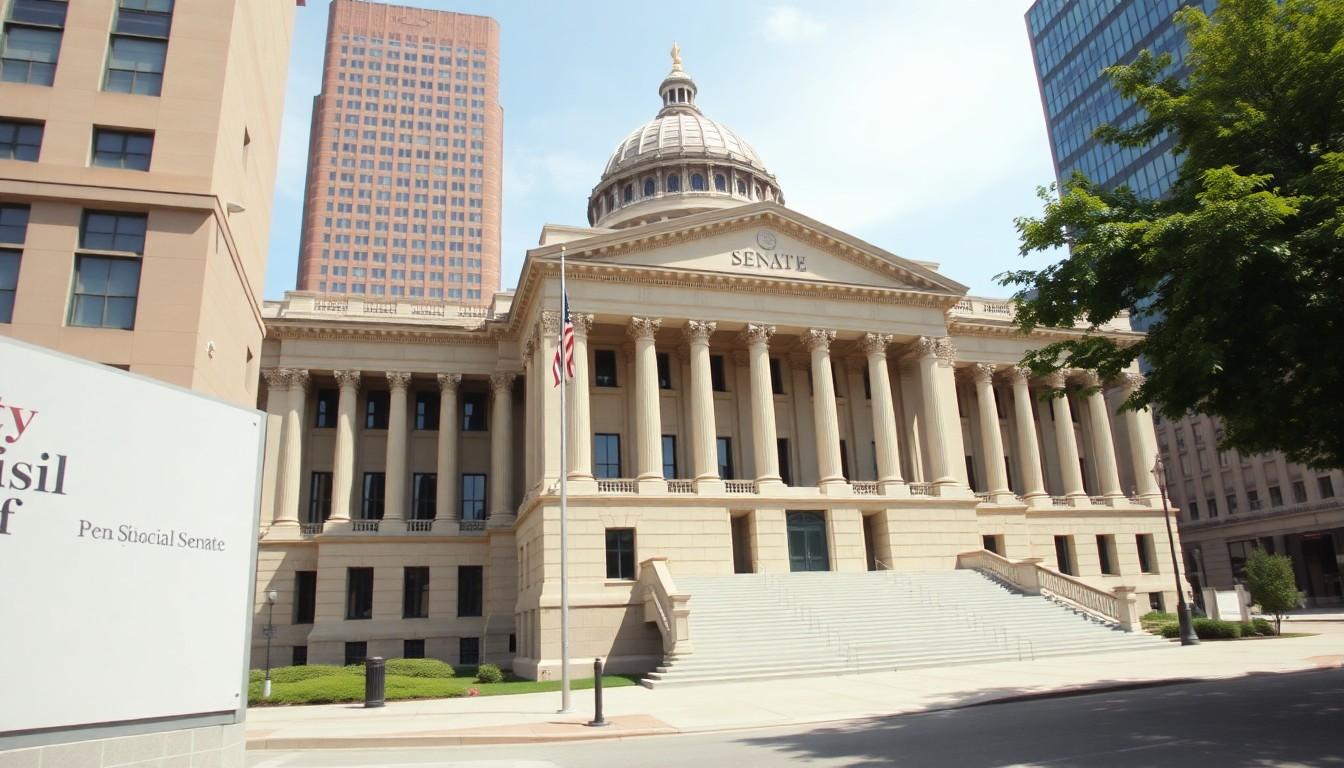
Voters are being reminded that LGBTQ+ equality legislation can stall long before it reaches a final vote. In Washington and Pennsylvania, senior Republican leaders control key gateways to debate, while new polling suggests LGBTQ+ voters are highly motivated ahead of the 2026 midterms. The result is a familiar question: how long should equal protection remain unfinished business?
Essential Takeaways
- Leadership controls the timetable: Speakers, majority leaders and committee chairs can decide whether a bill advances.
- The Equality Act remains broader than marriage rights: It would address discrimination in areas including work, housing and public spaces.
- Pennsylvania offers a clear example: A state House measure passed narrowly but remains before a Senate committee.
- LGBTQ+ voters are engaged: Human Rights Campaign Foundation research found 87% of respondents said they definitely intended to vote.
- The wait is historic: Federal equality legislation was first introduced more than 50 years ago.
The real power lies before the vote
A bill can attract headlines and still go nowhere. The less glamorous part of lawmaking, including committee referrals, scheduling decisions and leadership negotiations, often determines whether the public ever gets a clear yes-or-no vote.
That makes the offices held by Mike Johnson, John Thune and Kim Ward especially significant. Their roles differ, but each sits close to a procedural gate that can open the path to debate or leave legislation parked in a quiet corner of the system.
The Human Rights Campaign has previously criticised Republican leadership over positions it says have harmed LGBTQ+ equality. That backdrop helps explain why procedural decisions are being watched so closely by advocates and voters.
Why the Equality Act remains important
The Equality Act is designed to make protections based on sexual orientation and gender identity explicit across areas such as employment, housing and public accommodations. That matters because marriage recognition, important as it is, doesn't automatically settle every question of discrimination.
The Respect for Marriage Act, passed in 2022, added federal protections for recognition of marriages. But it isn't a replacement for wider civil rights legislation, nor does it erase the practical concerns faced by people seeking work, renting a home or using public services.
In everyday terms, the distinction is straightforward. Being allowed to marry doesn't necessarily mean every other part of life is protected from unequal treatment.
Pennsylvania shows how legislation can stall
Pennsylvania's legislative process offers a particularly sharp example. HB 2103 passed the Democratic-controlled state House by a single vote, 101 to 100, before being referred to the Senate State Government Committee on 7 May 2026.
It has remained there without a final Senate vote, leaving supporters with a measure that's cleared one chamber but hasn't crossed the next hurdle. For campaigners, that's a frustrating lesson in how a narrow majority can create momentum, while a different chamber can bring it to a standstill.
The pattern is familiar across legislatures. Passing a bill is only one part of the journey; securing a hearing, committee movement and floor time can be just as decisive. Anyone tracking Pennsylvania LGBTQ+ legislation should therefore watch committee activity, not just election-night results.
A long history, and a newly energised electorate
The argument over federal LGBTQ+ equality didn't begin recently. Bella Abzug introduced an early federal Equality Act in 1974, while Pennsylvania lawmakers were also pressing for gay rights protections during that decade.
That history gives today's debate a slightly weary quality. More than five decades after the first federal proposal, supporters are still discussing whether basic protections should be written clearly into law.
New research suggests voters haven't lost interest. The Human Rights Campaign Foundation reported that 87% of registered LGBTQ+ respondents said they definitely intended to vote in the 2026 midterms. The survey also found that civil rights and equal protection ranked among the leading influences on voting decisions, ahead of economic concerns for many respondents.
What voters should watch next
For voters, the practical takeaway is to follow the full legislative chain. Check who controls each chamber, which committee has jurisdiction, whether a bill has received a hearing and whether leaders have scheduled a floor vote.
It's also worth separating campaign promises from parliamentary action. A politician can express support for equality while doing little to advance a bill, so the paper trail, committee record and voting history often tell the clearer story.
The broader outlook will depend on turnout, party control and whether leaders decide that equality legislation deserves a public vote. After such a long wait, even reaching the floor would be meaningful, although supporters understandably want more than a symbolic moment.
The route to equality may be procedural, but its consequences are deeply personal. For many LGBTQ+ people, a delayed vote doesn't feel like an abstract parliamentary detail; it feels like another year spent waiting for certainty.
Closing Line
Equality shouldn't depend on whether a bill gets stuck behind a closed legislative door.
Source Reference Map
Story idea inspired by: [1]
Sources by paragraph:
- Paragraph 1: [2], [3]
- Paragraph 2: [4], [5]
- Paragraph 3: [6], [7]
- Paragraph 4: [2], [4]
- Paragraph 5: [3], [5]
- Paragraph 6: [6], [7]
- Paragraph 7: [2], [3]
- Paragraph 8: [4], [5]
- Paragraph 9: [6], [7]
- Paragraph 10: [2], [4]
- Paragraph 11: [3], [5]
- Paragraph 12: [6], [7]
- Paragraph 13: [2], [3]
- Paragraph 14: [4], [6]
- Paragraph 15: [5], [7]