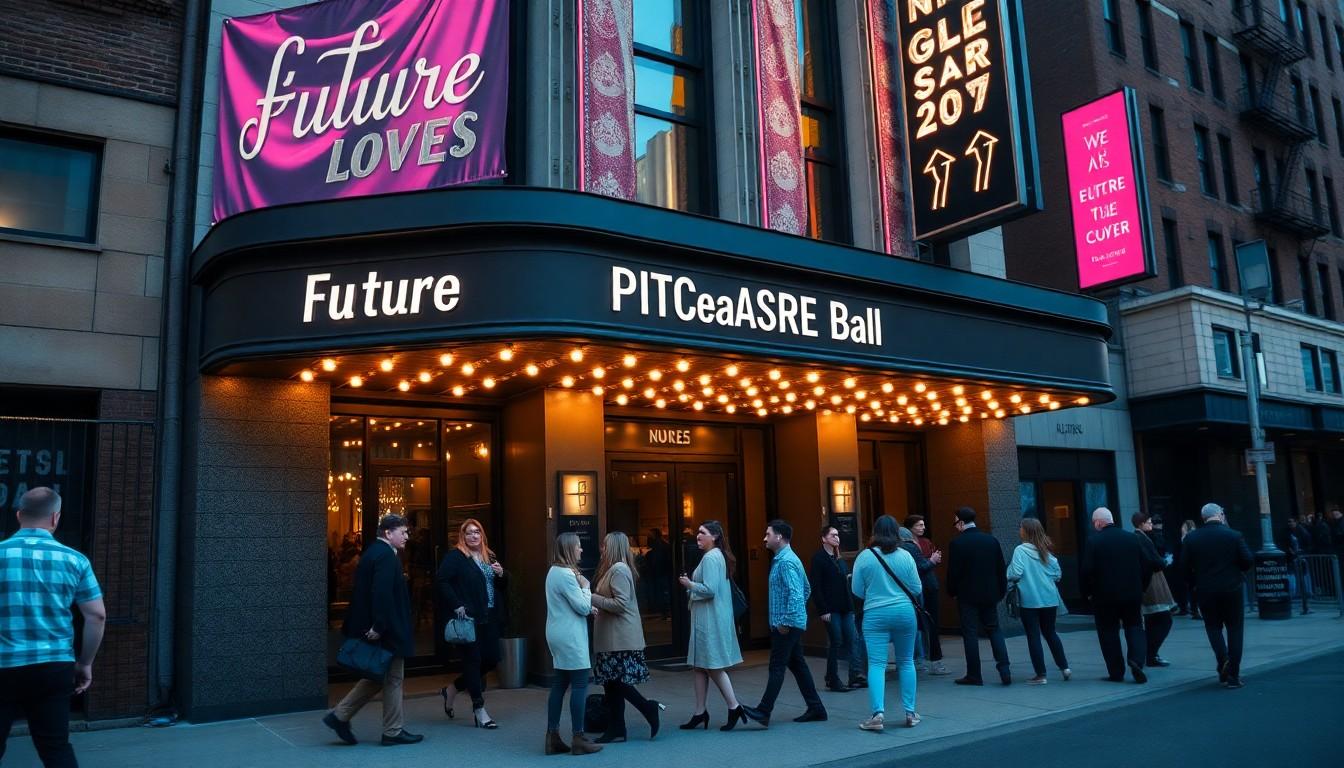
Grindr is turning Halloween into a major cultural moment, using its Pleasure Ball, bold partnerships and social-first marketing to deepen its connection with LGBTQ+ audiences. The New York event is growing quickly, but the bigger ambition is clear: make the app feel less like a dating service and more like a lively, always-on global gay neighbourhood.
Grindr wants Halloween to feel unmistakably queer
For many LGBTQ+ people, Halloween offers something more meaningful than sweets, costumes and orange decorations. It creates a playful space to experiment with identity, appearance and confidence, often with far less explanation than everyday life demands.
Grindr is leaning into that emotional charge with its Pleasure Ball in New York. The party combines costumes, performance and nightlife, giving the app a vivid physical presence that a screen alone can't provide. According to Adweek, attendance has grown from roughly 400 people at the 2024 event to a planned capacity of 700 this year.
That growth matters because the event isn't simply another branded party. It's a statement about where Grindr believes its community belongs, and how it wants to be seen.
From hookup app to global gay neighbourhood
The Pleasure Ball sits within a broader repositioning effort. Grindr has been presenting itself as a social network and community platform, rather than allowing its early reputation as a hookup app to define the entire brand.
That shift is visible in the company's wider event activity. Grindr has supported live music, drag performances, giveaways and in-person experiences, including activity connected with major LGBTQ+ cultural gatherings. Its Sydney activation at Mighty Hoopla shows how the brand is taking that event-led approach beyond the United States, according to Grindr's own coverage.
The logic is straightforward. A physical experience gives people something to attend, photograph and share, while also making the brand feel warmer and more human. In marketing terms, the party is the starting point; the social conversation afterwards may be the real prize.
Why the partnerships are part of the performance
This year's Pleasure Ball includes Absolut, Lyft and Back Market, adding drinks, transport and technology to the experience. Those categories may look practical, but they help build the event from the ground up, covering how guests arrive, what they drink and how the night is documented.
For partners, the attraction is cultural relevance rather than a conventional advert. A logo on a banner is easy to ignore, while a well-designed ride, drink moment or interactive installation can become part of someone's costume-night story.
Grindr's previous Pleasure Ball coverage also points to the visual importance of the format, with elaborate looks and an otherworldly theme taking centre stage. That matters in an era when the most valuable event images often travel far beyond the guest list.
The commercial opportunity is bigger than one night
Halloween is already a powerful retail and entertainment occasion. The National Retail Federation expects US spending to reach $13.5 billion in 2026, up from a record $13.1 billion the previous year, giving brands plenty of incentive to compete for attention during spooky season.
But Grindr's opportunity is more specific. The company is not merely selling Halloween products; it's trying to own a particular interpretation of the holiday, one rooted in self-expression, glamour and queer joy.
Its Halloween survey content shows how the brand can extend that conversation into user interests and behaviour throughout the season. That creates a useful bridge between editorial content, community engagement and live events, rather than treating Halloween as a single evening on the calendar.
Authenticity will decide which brands stay welcome
The campaign also arrives as many companies have become more cautious about LGBTQ+ marketing and diversity initiatives. That hesitation may reduce short-term risk for some businesses, but it can also make audiences more alert to who shows up only when the cultural spotlight is bright.
Grindr's marketing leadership has argued that brands need to do their homework and contribute something meaningful, rather than attach themselves to a trend without understanding it. That's sound advice for any company entering a community-led celebration. A rainbow-coloured logo is not a strategy, and nobody wants a costume that looks rented at the last minute.
The brand's expanding health and community work, including its planned acquisition of Freddie to broaden access to HIV prevention, also suggests a wider definition of engagement. The future of Grindr's marketing may depend on balancing spectacle with substance, so the party feels like an expression of the community rather than a shortcut to its attention.
The Pleasure Ball is growing, and Grindr has reportedly forecast about 1,000 attendees for a future edition. Whether it reaches that scale is less important than the direction of travel: Halloween is becoming a stage on which the company can show what its next chapter looks like.
A memorable costume gets people through the door, but a credible purpose gives them a reason to return.
Explore the celebration, but watch how the community responds.
Source Reference Map
Story idea inspired by: [1]
Sources by paragraph: