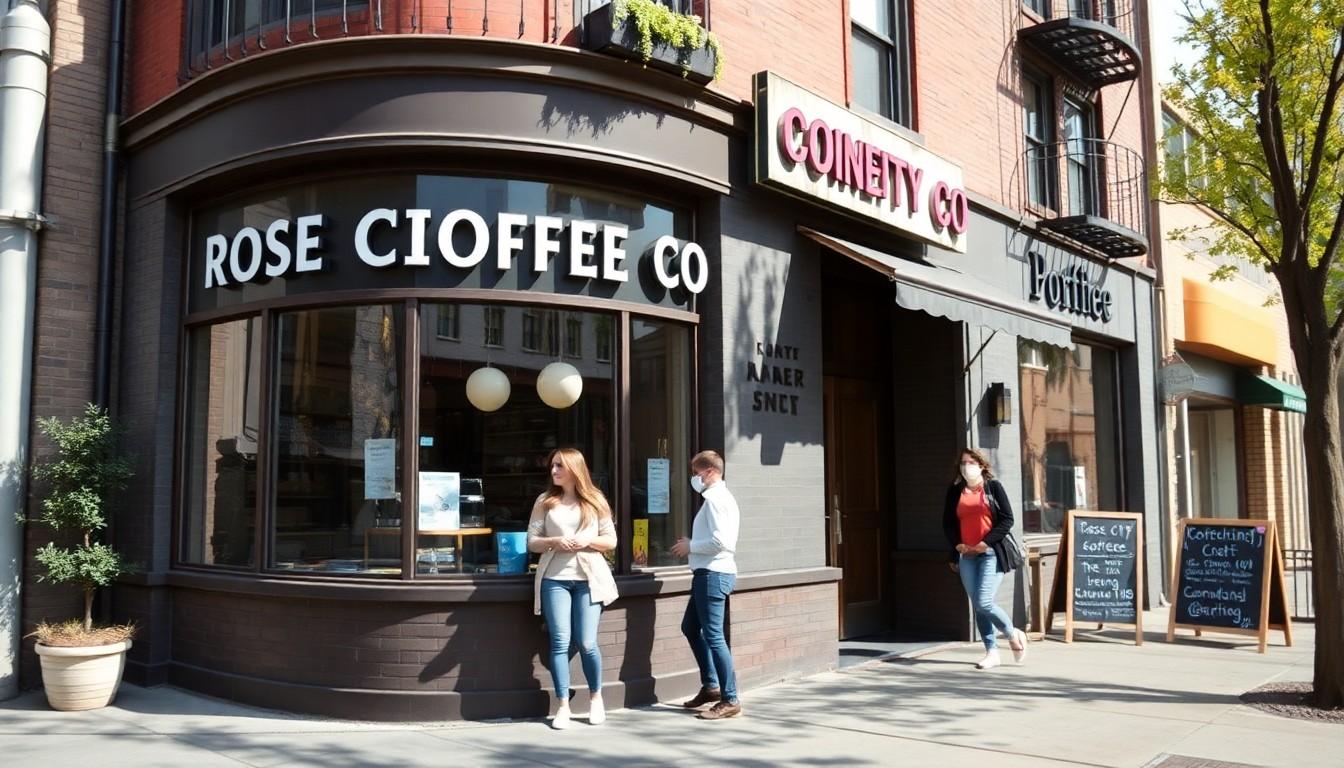
Readers, writers and curious newcomers are gathering in Portland for two welcoming queer storytelling events during the city’s literary week. With live readings, an open mic and a panel on representation, the programme offers a warm, low-pressure way to hear personal stories, meet fellow creatives and support LGBTQ+ writing in the Pacific Northwest.
Essential Takeaways
- Two events, one literary weekend: The programme combines a live reading night with a panel discussion.
- Open-mic energy: The Friday gathering welcomes poems and short nonfiction excerpts from attendees.
- A community-led platform: Our Bold Voices focuses on underrepresented and underserved storytellers, particularly LGBTQ+ and older voices.
- Free Friday entry: The reading night is listed as free, making it easy to drop in and listen.
- Book-festival context: The events sit alongside Portland’s wider literary programme and independent arts scene.
Portland’s queer literary scene gets the spotlight
The strongest appeal here is simple: these events make queer writing feel close, human and shared. Instead of placing authors behind a distant lectern, the programme creates room for personal essays, poetry and conversation, with the soft buzz of a café and the possibility that someone in the audience might pick up the microphone.
Our Bold Voices, the Portland-based storytelling organisation behind the events, was founded by Paul Iarrobino in 2016. Its work centres on authentic narratives from communities that have often been overlooked, including LGBTQ+ people and older adults, according to the organisation’s own materials. (Our Bold Voices)
That focus gives the programme a welcome sense of purpose, but it doesn't make the evening feel heavy. The format is social, accessible and distinctly Portland: come for a reading, stay for the creative energy, and perhaps leave with a new favourite writer.
What to expect at the Friday reading
The first gathering is scheduled for Friday, 6 November, at Rose City Coffee Co. on SE Milwaukie Avenue. A curated group of local and visiting writers will share extracts from nonfiction and poetry before the microphone opens to members of the audience. (Our Bold Voices events listing)
That open-mic element is particularly inviting. You don't need a polished book deal or a dramatic stage persona; a poem, a short passage or simply an appetite for good stories is enough. For anyone who finds literary events intimidating, a relaxed coffee-shop setting can make the whole experience feel less like a performance and more like a conversation.
The event is listed for 8.30pm to 10.30pm Pacific time, with free admission. Organisers suggest that the room will offer a place to sit, have a drink and support the region's queer literary community. (Our Bold Voices events listing)
Why representation remains part of the conversation
The weekend's second event moves from performance to discussion. On Sunday, 8 November, a panel titled "Queer Representation Matters!" is due to take place at Albina Library, bringing together queer storytellers to explore why these narratives deserve space, attention and careful listening.
That question has a wider resonance during Portland's major literary celebrations. The Portland Book Festival has long brought together readings, author conversations and cultural programming across the city, while local coverage has highlighted the breadth of its literary community. (Portland Art Museum; Oregon Public Broadcasting)
Representation isn't only about seeing a familiar identity on a page. It's also about who gets to shape the story, whose complexity is allowed to remain intact and whether readers can encounter queer lives beyond the narrowest stereotypes. A panel can make those questions visible without losing the warmth that makes community events work.
A growing network beyond the stage
The events also reflect a broader ecosystem of queer publishing, independent bookselling and community storytelling. Our Bold Voices has developed anthologies and live programmes designed to carry personal narratives into shared spaces, rather than treating publication as the final destination. (Our Bold Voices)
That approach matters because many readers discover writers through rooms like these first. A live reading can offer context that a bookshop shelf can't: the cadence of a voice, the pause before a difficult sentence and the small laugh that changes how a story lands.
Portland's cultural listings show how literary events sit alongside museums, libraries, bookshops and other public venues across the city. (Travel Portland; Oregon ArtsWatch) For visitors, that makes the weekend easy to fold into a wider itinerary. For locals, it offers something even better: a chance to support a creative community on their doorstep.
How to make the most of the weekend
If you're attending the Friday reading, arriving a little early is sensible, especially if you plan to read. Bring a short piece that can stand on its own, and keep the tone flexible; open mics often work best when the audience can follow the shape of the story without needing a long introduction.
For listeners, the etiquette is refreshingly straightforward. Find a comfortable seat, silence your phone, applaud generously and remember that personal writing can carry more emotional weight than its brief length suggests. The best response isn't always a clever comment; sometimes it's simply giving the speaker your full attention.
The Sunday panel is likely to suit anyone interested in publishing, community arts or the practical meaning of queer representation. Together, the two events offer a useful balance: one celebrates the spark of live storytelling, while the other asks what happens when those stories enter the wider cultural conversation.
Queer storytelling is at its best when the room feels open before the first page is read.
Source Reference Map
Story idea inspired by: [1]
Sources by paragraph:
- Paragraph 1: [2], [4]
- Paragraph 2: [4]
- Paragraph 3: [2], [4]
- Paragraph 4: [2], [4]
- Paragraph 5: [2]
- Paragraph 6: [2]
- Paragraph 7: [2]
- Paragraph 8: [2], [3]
- Paragraph 9: [3], [5]
- Paragraph 10: [4]
- Paragraph 11: [4]
- Paragraph 12: [6], [7]
- Paragraph 13: [2], [4]
- Paragraph 14: [2], [4]
- Paragraph 15: [2], [6]
- Paragraph 16: [2]
- Paragraph 17: [2]
- Paragraph 18: [2], [4]