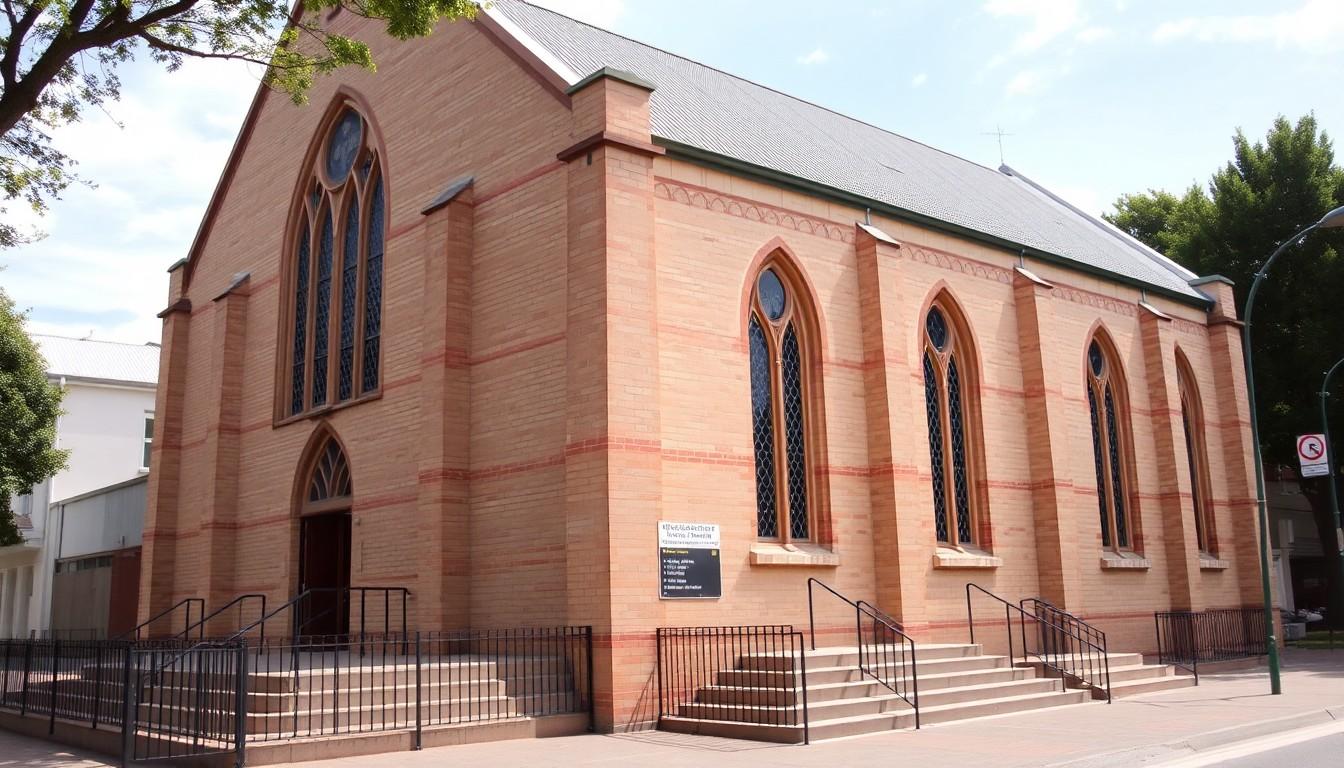
Perth’s Anglican Synod has voted to support proposed Western Australian legislation banning conversion practices, after a deeply personal debate about faith, dignity and the documented harm caused by attempts to change or suppress LGBTQIA+ identities.
Essential Takeaways
- Broad support: The motion passed in the Houses of Clergy and Laity by 61 to 32 and 151 to 48 respectively.
- Clear distinction: Supporters separated prayer and spiritual care from efforts to change or suppress sexual orientation or gender identity.
- Evidence matters: Mental-health bodies, including the Royal Australian and New Zealand College of Psychiatrists, say these practices are ineffective and harmful.
- Personal testimony: Speakers described shame, self-harm, family pressure and lasting trauma linked to conversion practices.
- Legislation is pending: Western Australia’s proposed ban remains part of a wider political debate about how protections should work.
A decisive vote follows a painful debate
The Perth Anglican Synod has backed a motion supporting Western Australian legislation against conversion practices, putting the issue firmly on the Church’s public agenda.
The vote came after hours of disagreement, but also unusually candid testimony. Speakers discussed coercion, shame and the emotional damage caused when LGBTQIA+ people are told that an ordinary part of who they are is something to repair. The result was serious rather than celebratory, with the room confronting a subject that has left many families and congregations hurting.
According to the Perth Anglican Church’s synod information, the Synod is the diocese’s formal decision-making body, bringing together bishops, clergy and lay representatives. That structure gave the motion significance beyond a single parish or campaign.
What the motion actually supports
The motion says LGBTQIA+ people are made in the image of God and belong within the Body of Christ as equal friends and fellow disciples. It also recognises professional evidence that practices intended to change or suppress sexual orientation or gender identity don't work and can cause harm.
Just as importantly, the wording draws a line between conversion practices and ordinary religious support. It acknowledges that churches can offer prayer and spiritual care, provided those activities aren't attempts to force a person to change or conceal their identity.
That distinction has been central to the national argument. The Royal Australian and New Zealand College of Psychiatrists has welcomed a proposed Western Australian ban, while opponents have warned that poorly drafted laws could interfere with pastoral ministry. The practical question is where support ends and coercion begins.
Personal stories changed the temperature
One of the most affecting contributions came from Jan Joustra, who recalled meeting a young man who had experienced conversion practices within his family’s Pentecostal setting. Joustra said the young man wanted to love God and be loved by God, while knowing that his sexuality wasn't a choice. He later learned that the man had died by suicide.
Another speaker, Joey, described growing up with the belief that enough prayer, trust and surrender could make them straight. They spoke of pleading with God, self-hatred and self-harm, saying faith had become associated with fear instead of belonging.
These accounts don't settle every theological question, but they explain why the issue is so urgent for many Christians. The Australian debate can sound abstract when reduced to legal definitions. In a parish, however, the consequences may be felt in a teenager’s bedroom, a family conversation or a person deciding whether it's safe to seek help.
Supporters and opponents shared one concern
The debate wasn't a simple contest between people who value dignity and people who don't. Speakers on both sides affirmed that every person is made in God's image and condemned abuse, humiliation, manipulation and coercion.
Opponents, including clergy from evangelical parishes, worried the motion could support laws that restrict the Church’s teaching about repentance, faith and transformed living. Supporters answered that the proposal wasn't asking Synod to resolve every dispute about sexuality or gender. Instead, they said it recognised evidence of harm and supported safeguards for minors and other people at risk.
The Church of England’s General Synod has also backed action against conversion therapy, providing an international point of comparison. That wider Anglican context helps explain why Perth’s vote is being viewed as part of a broader institutional shift, rather than an isolated local decision.
WA’s proposed ban still faces political questions
The Synod’s vote doesn't itself create a law. Western Australia’s legislation must still be drafted, debated and passed through the state’s political process.
The ABC previously reported that the WA Government had delayed its conversion therapy bill until after the state election, illustrating how contested and politically sensitive the issue has become. Campaigners, including the Australian Christian Lobby, have raised concerns about the scope and possible impact of proposed restrictions, while health organisations have urged lawmakers to protect LGBTQIA+ people from practices linked to psychological harm.
That leaves the detail of the final law especially important. Definitions will need to identify coercive or suppressive conduct without accidentally capturing consensual pastoral conversation, personal reflection or independent faith. It's a narrow path, but one that lawmakers can’t avoid simply because the subject is uncomfortable.
What happens next for churches and families?
The Perth vote is likely to prompt further conversations in Anglican parishes, particularly about safeguarding, pastoral training and how ministers respond when someone arrives carrying fear or shame.
For families, the message from health experts and survivors is straightforward: attempts to change a person’s sexual orientation or gender identity aren't a neutral intervention. Anyone seeking support should look for practitioners and pastoral leaders who respect identity, avoid promises of change and understand the difference between care and control.
The debate may continue, but the personal testimonies have made one point difficult to ignore. For many LGBTQIA+ Christians, belonging isn't a theoretical question; it's the difference between finding refuge and feeling rejected.
It's a small legal phrase with enormous human stakes.
Source Reference Map
Story idea inspired by: [1]
Sources by paragraph: