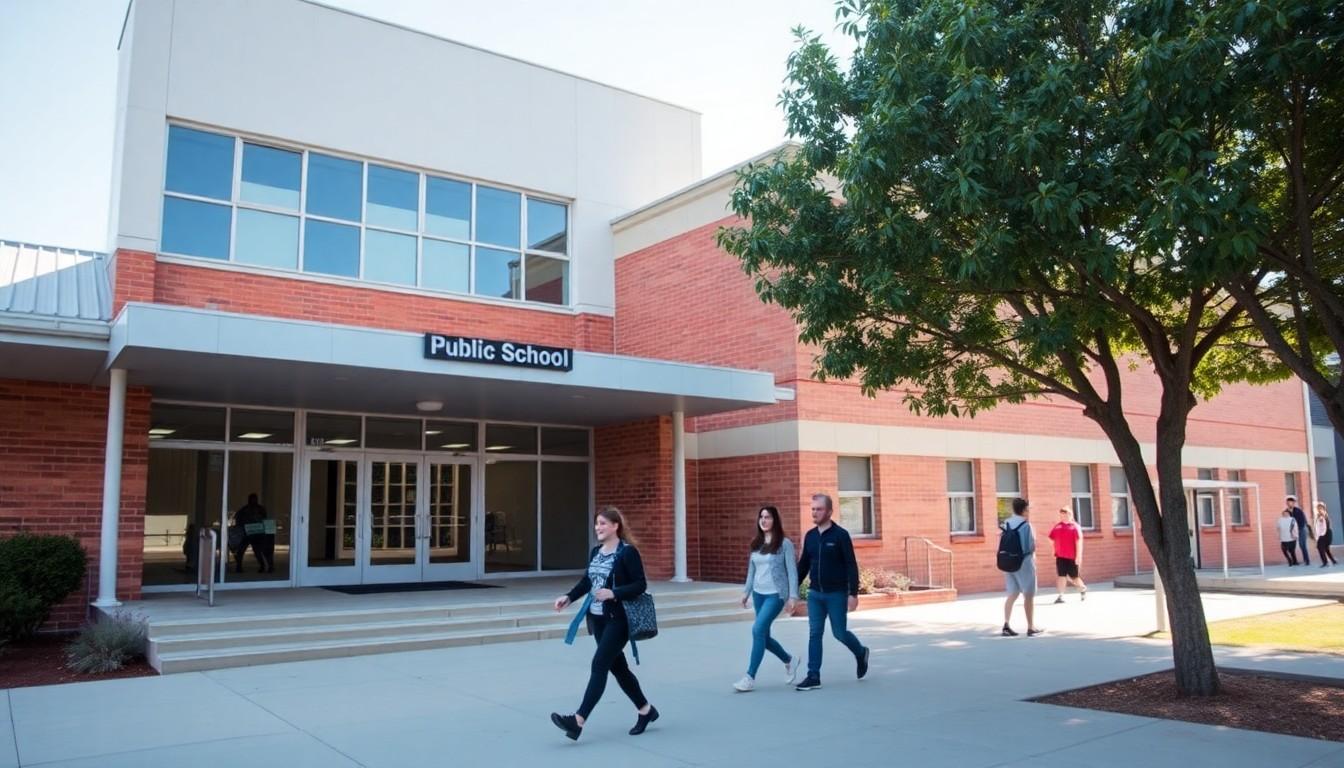
Western Australia is moving to strengthen LGBTQ+ school protections, with proposed reforms designed to stop teachers being dismissed and students being excluded because of sexuality. The wider overhaul also covers vilification, disability, race, religion, gender identity and family responsibilities, marking a significant shift in how discrimination is handled across the state.
Essential Takeaways
- LGBTQ+ protections: Schools would no longer be able to dismiss teachers or expel students because of sexuality.
- Broader safeguards: The reforms cover race, religion, disability, gender identity, pregnancy, breastfeeding and caring duties.
- New organisational duty: Schools and employers will need to take reasonable steps to prevent discrimination.
- Fewer exemptions: MPs, judges and local councillors would face the same workplace discrimination rules as others.
- Complaint pathway: People affected by vilification could complain to Western Australia's Equal Opportunity Commissioner.
A major change for LGBTQ+ students and staff
The most immediate impact is in schools, where the proposed reforms would remove the ability to fire teachers or expel students because of their sexuality. For LGBTQ+ young people, that could mean a school environment that feels less threatening and more like a place to learn, rather than somewhere to hide.
The Western Australian Government says the legislation is intended to bring the state's equal opportunity framework into line with protections available elsewhere in Australia. Its announcement describes the package as the state's most substantial equal opportunity reform in four decades, according to the Western Australian Government.
That matters because legal protection isn't merely a line in a policy document. It can shape whether a student feels safe reporting mistreatment, or whether a teacher believes their job is secure when colleagues or families object to who they are.
The overhaul goes well beyond sexuality
Although LGBTQ+ rights are central to the school changes, the proposed legislation is much broader. It would also protect people from discrimination linked to disability, race, religion, sex, gender identity, homelessness, family and domestic violence, pregnancy, breastfeeding, caring responsibilities and trade union involvement.
People who experience vilification would gain a clearer route to make a complaint to the Equal Opportunity Commissioner. The practical effect will depend on how the rules are interpreted and enforced, but the direction is clear: harmful conduct is being treated as an institutional issue, not simply a private disagreement.
The government has also said organisations must take reasonable steps to eliminate discrimination, with expectations shaped by their size and available resources. That should give smaller schools and employers some flexibility, while still making inaction harder to defend.
What schools and employers will need to do
The reforms would require schools, businesses and other organisations to think ahead about discrimination rather than waiting for a complaint. That could mean updating staff policies, improving reporting procedures, training managers and making sure students know where to seek support.
Reasonable adjustments would also be required for disabled employees and students, pregnant people, breastfeeding mothers and those with caring responsibilities. In everyday terms, that might involve changes to schedules, facilities, duties or access arrangements, depending on the circumstances.
For families, the key question is whether these protections become visible in school life. A policy can look impressive on paper, but it only earns trust when a pupil can raise a concern and receive a calm, fair response.
MPs, judges and councillors lose historic exemptions
Another notable part of the proposed overhaul is the removal of exemptions that have applied to judicial officers, local councillors and Members of Parliament. They would be subject to the same rules covering discrimination and harassment against employees or colleagues.
That closes a gap which has long looked uncomfortable beside the principle of equal treatment. The Attorney General's office has framed the change as a way to ensure people aren't targeted because of perceived differences, according to Western Australian Government announcements.
It's a small but powerful signal. If public institutions expect schools and employers to prevent discrimination, the people working inside those institutions should be held to a comparable standard.
WA's move arrives amid a wider national debate
The legislation comes shortly after independent federal MP Allegra Spender introduced a bill seeking to end legal discrimination in religious schools. Together, the developments show that school protections remain a live national issue, particularly where anti-discrimination law meets religious freedom and institutional autonomy.
The hard work will come after the headlines, when schools interpret their obligations and affected people test the new complaint processes. Clear guidance, accessible support and consistent enforcement will matter just as much as the wording of the Act.
Still, the proposed reforms offer a meaningful change in tone. As Premier Roger Cook put it in the government's announcement, the message is that hate isn't acceptable in Western Australia. For students and staff who have felt exposed, that message is long overdue.
It's a significant step towards making safety and equal treatment part of everyday school life.
Source Reference Map
Story idea inspired by: [1]
Sources by paragraph:
- Paragraph 1: [2], [3]
- Paragraph 2: [3], [5]
- Paragraph 3: [2], [6]
- Paragraph 4: [3], [7]
- Paragraph 5: [2], [3]
- Paragraph 6: [3], [5]
- Paragraph 7: [2], [6]
- Paragraph 8: [3], [7]
- Paragraph 9: [2], [3]
- Paragraph 10: [4], [5]
- Paragraph 11: [3], [6]
- Paragraph 12: [2], [7]
- Paragraph 13: [3], [5]
- Paragraph 14: [4], [6]
- Paragraph 15: [2], [3]
- Paragraph 16: [5], [7]