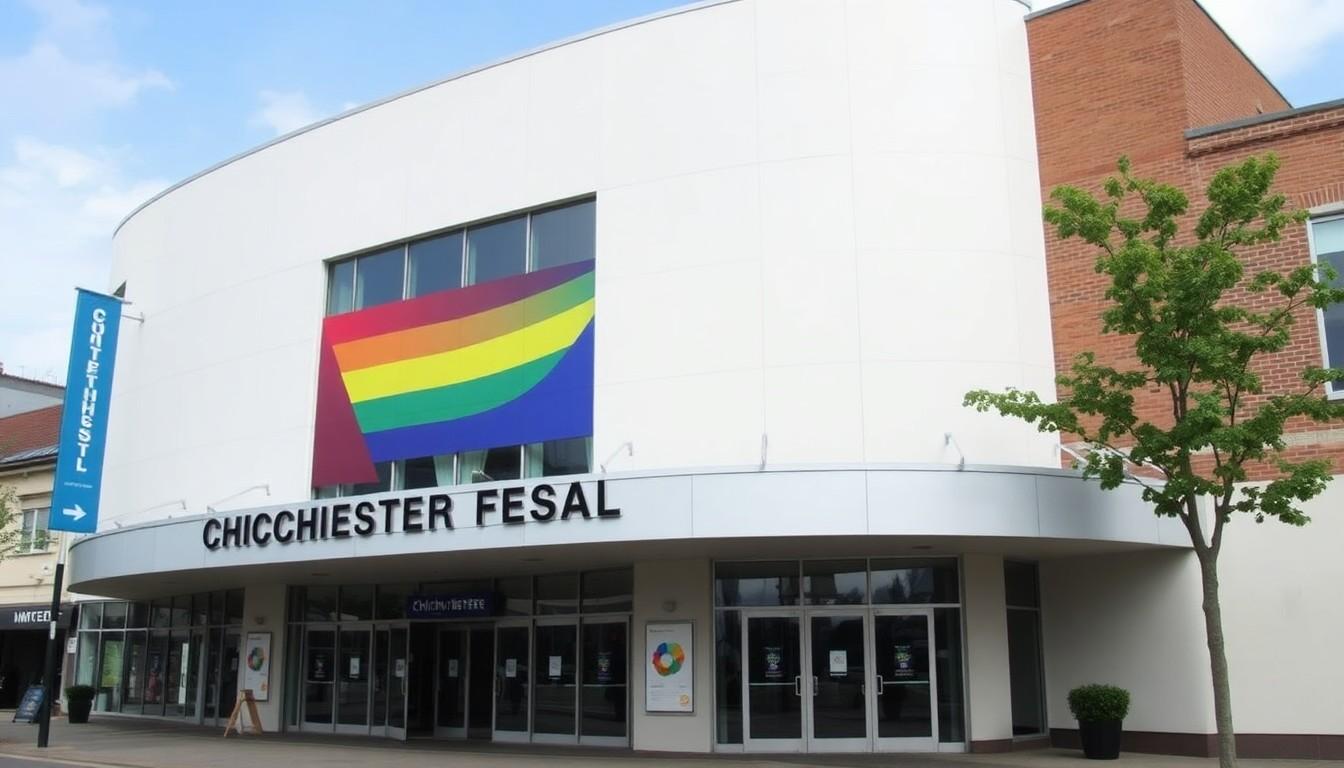
Munya Chawawa has spoken about racism, xenophobia and homophobia during his Chichester Festival Theatre run, after a cast member was allegedly pursued and abused before a performance. His comments have reopened a wider conversation about safety, belonging and the responsibility of venues, audiences and communities to challenge hate.
Essential Takeaways
- A performance was cancelled: The theatre halted an evening show after a cast member was reportedly followed and verbally abused near the city centre.
- Police treated it as a hate crime: Sussex Police investigated the incident as homophobic hate crime and arrested a 16-year-old boy.
- Chawawa described wider abuse: He said cast members and visitors experienced racist, xenophobic and homophobic incidents during the run.
- The theatre responded: Chichester Festival Theatre said the company was deeply shocked and arranged refunds or return visits for ticket holders.
- The message was broader than one incident: Chawawa urged people to challenge prejudice actively rather than hope it disappears on its own.
The cancelled show was only the visible moment
The immediate trigger was an incident near Little London car park in Chichester, where a cast member was reportedly followed and verbally abused by a group of young men on bicycles. The actor wasn't physically injured, but the alleged pursuit left the company and theatre staff shaken enough for that evening's performance to be cancelled. Local reporting from Chichester.news and What's On Stage detailed the disruption and the theatre's response. [3], [4]
For audience members already seated, the cancellation must have felt bewildering. Behind the scenes, however, it reflected a serious concern: performers shouldn't have to choose between appearing on stage and feeling safe on the journey there. The Portsmouth News reported that Sussex Police arrested a 16-year-old boy, who was later released on bail while enquiries continued. [5]
Chawawa says the problem went far beyond one attack
After the production ended, comedian and actor Munya Chawawa described his time in Chichester as a profound struggle. He said he had witnessed or experienced more racism, xenophobia and homophobia during the six-week run than across his entire lifetime, a claim reported by the Sussex Express. [2]
His account included alleged racial abuse aimed at visiting BRIT School pupils, a racist slur directed at another visitor and a group of friends who were reportedly followed to their hotel while being taunted. He also described hearing boys joke about racist language on a train and said a mixed group of friends was confronted in Brighton.
That range matters. It suggests the concern wasn't limited to one isolated confrontation, but to an atmosphere in which people who appeared different could become targets. Chawawa's comments were angry, but they also carried the weary feeling of someone who'd spent weeks noticing threats that others might have been able to ignore. [2]
A theatre safety issue became a community conversation
Chichester Festival Theatre said the cast member had been "aggressively hounded and physically pursued", according to reports from Chichester.news and What's On Stage. The theatre said performances resumed the following day, while affected ticket holders were offered return visits or refunds. [3], [4]
Chichester Pride also expressed support for the victim, colleagues and the wider LGBTQ+ community. Its response made an important distinction: safety isn't simply about preventing physical violence. It also means being able to walk through town, hold a partner's hand or leave a performance without anticipating abuse. [2]
That point is easy to overlook when a story begins with a cancelled show. Theatre depends on audiences feeling welcome, but performers need that same welcome before the curtain rises and after it falls. A venue can provide security and procedures, yet the wider streets and public spaces still shape whether people feel they belong.
Why hate speech can feel bigger than one place
Chawawa connected what he saw with the constant flow of hostile messages in public debate and online spaces. His argument was that repeated language aimed at migrants, minorities or LGBTQ+ people can make everyday cruelty seem normal, particularly when young people hear it without challenge. [2]
That doesn't excuse individual behaviour, and it shouldn't blur the distinction between political argument and criminal abuse. But it does explain why incidents that might otherwise be dismissed as "banter" can feel like part of a larger pattern to those on the receiving end. The emotional toll builds quietly, then suddenly becomes impossible to ignore.
The theatre's cancellation, police investigation and public statements all sent a clearer message than silence would have done. Still, Chawawa's wider challenge was aimed at everyone watching: don't wait for a serious attack before deciding that prejudice deserves an answer.
What audiences and venues can do next
For venues, practical steps include clear reporting routes, staff training, safe travel arrangements for visiting companies and rapid communication when an incident occurs. Audiences can help by reporting harassment, supporting anyone targeted and avoiding the instinct to treat racist or homophobic abuse as somebody else's problem.
If you witness an incident, prioritise the victim's safety, avoid escalating the situation unnecessarily and contact venue staff or the police where appropriate. A calm offer of support can matter enormously, especially when someone has just been singled out in public.
Chawawa said a conversation with a Romanian taxi driver helped restore some faith in people's capacity for kindness. That small encounter offered a useful counterweight to the ugliness he described: goodness may be common, but it still needs to be visible. As he argued, communities have to call hate out proactively, not simply hope decent behaviour wins by default. [2]
The strongest legacy of the controversy may therefore sit beyond this single production. A successful theatre run should be remembered for its performances, not for whether its cast had to navigate hostility on the way home.
It's a small but vital standard: everyone deserves to leave the theatre feeling safe, seen and welcome.
Source Reference Map
Story idea inspired by: [1]
Sources by paragraph: